Shulph Ink
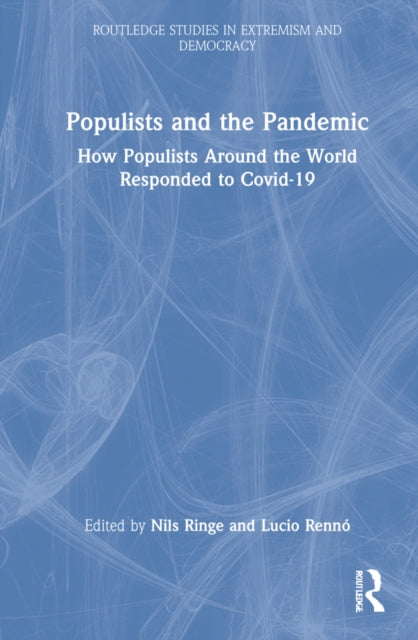
Populists and the Pandemic: How Populists Around the World Responded to Covid-19
Populists and the Pandemic: How Populists Around the World Responded to Covid-19
💎 Earn 811 Points (£8.11) on this item.
We can order this item for you. Delivery usually takes about 4 to 6 weeks.
This item is not held in our immediate stock. We will order it for you after checkout.
Estimated delivery: About 4 to 6 weeks
YOU SAVE £9.63
- Condition: Brand new
- UK Delivery times: Usually arrives within 2 - 3 working days
- UK Shipping: Fee starts at £3.89. Subject to product weight & dimension
Bulk ordering. Want 15 or more copies? Get a personalised quote and bigger discounts. Learn more about bulk orders.
Couldn't load pickup availability
- More about Populists and the Pandemic: How Populists Around the World Responded to Covid-19
Populists have responded to the pandemic by downplaying the threat, rejecting scientific advice, and blaming external actors. A distinguished contributor list and a great selection of international case studies are included in the book.
Format: Hardback
Length: 300 pages
Publication date: 26 August 2022
Publisher: Taylor & Francis Ltd
The COVID-19 pandemic has presented a unique set of challenges for populist leaders and movements around the world. As the virus has spread rapidly, populists have sought to exploit it for their own political gain, using it as a tool to undermine trust in institutions, promote nationalism, and blame external actors for the crisis.
In this essay, we will explore the various ways in which populists have responded to the pandemic, examining their strategies, tactics, and the impact they have had on public opinion and political outcomes. We will also consider the challenges that populists face in navigating the pandemic, including the need to balance their political messaging with public health concerns and the potential for backlash from their supporters.
One of the most common strategies that populists have employed in response to the pandemic is to undermine trust in institutions. They have often accused the mainstream media, the scientific community, and the government of spreading misinformation and of being complicit in the crisis. This has led to a rise in conspiracy theories and misinformation, which have been spread through social media and other channels, undermining public confidence in institutions and the government.
Populists have also used the pandemic to promote nationalism and xenophobia. They have often blamed external actors, such as immigrants, refugees, and foreign governments, for the crisis, using it as a tool to justify their own policies and rhetoric. This has led to a rise in hate speech and discrimination against marginalized groups, as well as a sense of division and resentment within society.
Another strategy that populists have employed in response to the pandemic is to use the crisis as a tool to gain political power. They have often used the pandemic to justify their own policies, such as lockdowns, travel restrictions, and economic stimulus packages, and have used them to appeal to their supporters' fears and concerns. This has led to a rise in authoritarianism and a decline in democratic norms and institutions.
However, populists have also faced challenges in navigating the pandemic. One of the biggest challenges is the need to balance their political messaging with public health concerns. Populists have often been accused of prioritizing their own political interests over public health, and of downplaying the severity of the pandemic. This has led to criticism from public health experts and the general public, and has undermined the credibility of populist leaders.
Another challenge that populists face is the potential for backlash from their supporters. As the pandemic has affected people's livelihoods and caused widespread suffering, some populist supporters may become disillusioned with their leaders and their policies. This could lead to a decline in support for populist movements, and could even lead to political instability and violence.
In conclusion, the COVID-19 pandemic has presented a unique set of challenges for populist leaders and movements around the world. While populists have sought to exploit the crisis for their own political gain, they have also faced challenges in navigating the pandemic, including the need to balance their political messaging with public health concerns and the potential for backlash from their supporters. As the pandemic continues to unfold, it will be important to monitor the responses of populist leaders and movements, and to consider the impact that they have on public opinion and political outcomes.
The COVID-19 pandemic has presented a unique set of challenges for populist leaders and movements around the world. As the virus has spread rapidly, populists have sought to exploit it for their own political gain, using it as a tool to undermine trust in institutions, promote nationalism, and blame external actors for the crisis.
In this essay, we will explore the various ways in which populists have responded to the pandemic, examining their strategies, tactics, and the impact they have had on public opinion and political outcomes. We will also consider the challenges that populists face in navigating the pandemic, including the need to balance their political messaging with public health concerns and the potential for backlash from their supporters.
One of the most common strategies that populists have employed in response to the pandemic is to undermine trust in institutions. They have often accused the mainstream media, the scientific community, and the government of spreading misinformation and of being complicit in the crisis. This has led to a rise in conspiracy theories and misinformation, which have been spread through social media and other channels, undermining public confidence in institutions and the government.
Populists have also used the pandemic to promote nationalism and xenophobia. They have often blamed external actors, such as immigrants, refugees, and foreign governments, for the crisis, using it as a tool to justify their own policies and rhetoric. This has led to a rise in hate speech and discrimination against marginalized groups, as well as a sense of division and resentment within society.
Another strategy that populists have employed in response to the pandemic is to use the crisis as a tool to gain political power. They have often used the pandemic to justify their own policies, such as lockdowns, travel restrictions, and economic stimulus packages, and have used them to appeal to their supporters' fears and concerns. This has led to a rise in authoritarianism and a decline in democratic norms and institutions.
However, populists have also faced challenges in navigating the pandemic. One of the biggest challenges is the need to balance their political messaging with public health concerns. Populists have often been accused of prioritizing their own political interests over public health, and of downplaying the severity of the pandemic. This has led to criticism from public health experts and the general public, and has undermined the credibility of populist leaders.
Another challenge that populists face is the potential for backlash from their supporters. As the pandemic has affected people's livelihoods and caused widespread suffering, some populist supporters may become disillusioned with their leaders and their policies. This could lead to a decline in support for populist movements, and could even lead to political instability and violence.
In conclusion, the COVID-19 pandemic has presented a unique set of challenges for populist leaders and movements around the world. While populists have sought to exploit the crisis for their own political gain, they have also faced challenges in navigating the pandemic, including the need to balance their political messaging with public health concerns and the potential for backlash from their supporters. As the pandemic continues to unfold, it will be important to monitor the responses of populist leaders and movements, and to consider the impact that they have on public opinion and political outcomes.
Dimension: 234 x 156 (mm)
ISBN-13: 9781032051925
UK and International shipping information
UK and International shipping information
We deliver throughout the United Kingdom and to 128 countries and territories worldwide, including the United States, Australia, Canada, Germany, Spain and France.