Tim Harris
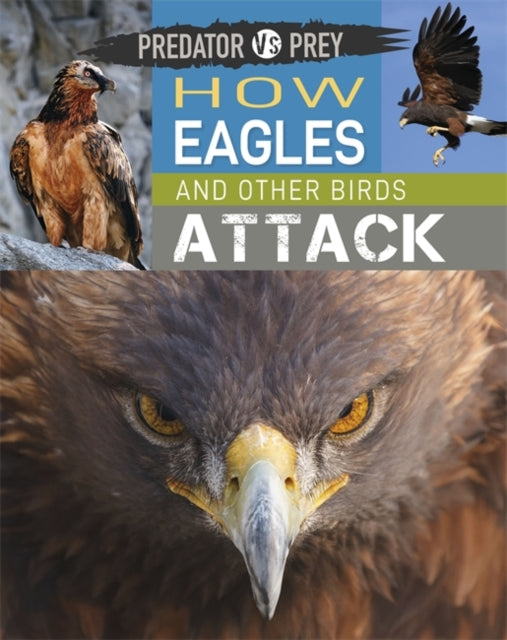
Predator vs Prey: How Eagles and other Birds Attack
Predator vs Prey: How Eagles and other Birds Attack
💎 Earn 55 Points (£0.55) on this item.
YOU SAVE £1.99
- Condition: Brand new
- UK Delivery times: Usually arrives within 2 - 3 working days
- UK Shipping: Fee starts at £2.39. Subject to product weight & dimension
Bulk ordering. Want 15 or more copies? Get a personalised quote and bigger discounts. Learn more about bulk orders.
Couldn't load pickup availability
- More about Predator vs Prey: How Eagles and other Birds Attack
Bird predators have diverse techniques and adaptations, such as swooping, teamwork, and bashing, that allow them to successfully hunt their prey in their habitats. The "Predator Vs. Prey" series provides detailed information about these techniques, featuring stunning photographs and explanations of super-senses and incredible adaptations. Suitable for readers aged 7+ who are interested in wildlife or natural history.
Format: Hardback
Length: 32 pages
Publication date: 22 April 2021
Publisher: Hachette Children's Group
Birds are incredible creatures that have evolved over millions of years to become some of the most successful predators on the planet. They have a wide variety of techniques and adaptations that allow them to hunt and capture their prey with incredible precision and efficiency. In this article, we will explore some of the most common bird hunting techniques and how they are used by different species of birds.
One of the most impressive bird hunting techniques is the use of speed. Many bird species, such as the peregrine falcon, are known for their incredible speed and agility. These birds can reach speeds of up to 300 km/h (186 mph) and can dive at speeds of up to 200 km/h (124 mph). They use their speed to catch their prey off guard and to avoid being detected by their prey.
Another technique that birds use is teamwork. Many bird species, such as the eagle, are known for their ability to work together in order to capture their prey. These birds will often form hunting parties and will cooperate to take down larger prey, such as deer or rabbits. They will use their superior eyesight and their ability to fly in formation to take down their prey.
Birds also have a variety of physical adaptations that allow them to hunt effectively. For example, some birds, such as the osprey, have sharp talons that they use to catch and hold their prey. Others, such as the hawk, have powerful beaks that they use to crush their prey. Some birds, such as the vulture, have strong legs that they use to carry their prey back to their nests.
Birds also have a variety of cognitive adaptations that allow them to hunt effectively. For example, some birds, such as the corvidae family, are known for their ability to mimic the calls of other birds and animals. This allows them to trick their prey into coming closer, making it easier for them to capture them.
In addition to these techniques, birds also have a variety of environmental adaptations that allow them to hunt effectively. For example, some birds, such as the Arctic tern, are known for their ability to fly for long periods of time without stopping. This allows them to cover large areas of land and to search for prey over long distances.
Overall, birds are incredible hunters that have evolved over millions of years to become some of the most successful predators on the planet. They have a wide variety of techniques and adaptations that allow them to hunt and capture their prey with incredible precision and efficiency. Whether they are using speed, teamwork, physical adaptations, or cognitive adaptations, birds are able to adapt to their environment and to exploit their prey in order to survive.
One of the most fascinating aspects of bird hunting is the variety of prey that birds can capture. Birds are able to hunt a wide range of animals, from small insects to large mammals. In this article, we will explore some of the most common prey that birds capture and how they are able to do so.
Insects are one of the most common prey that birds capture. Birds are able to hunt insects using a variety of techniques, including hunting from the air, hunting from the ground, and hunting from trees. Insects are a rich source of protein and other nutrients that birds need to survive, and they are also a relatively easy prey to capture.
Birds are able to hunt insects from the air by using their wings to fly high above the ground. They are able to use their eyesight to spot insects on the ground and to swoop down and catch them with their beaks. Birds are also able to use their wings to create a vortex of air that can carry insects up into the air, making it easier for them to catch them.
Birds are also able to hunt insects from the ground by using their feet to walk or run. They are able to use their eyesight to spot insects on the ground and to use their beaks to catch them. Birds are also able to use their feet to dig into the ground and to catch insects that are hiding underground.
Birds are also able to hunt insects from trees by using their beaks to catch insects that are flying or crawling on the tree. They are able to use their eyesight to spot insects on the tree and to swoop down and catch them with their beaks. Birds are also able to use their feet to climb trees and to catch insects that are hiding in the branches.
In addition to insects, birds are also able to capture a wide range of other animals, including small mammals, reptiles, and amphibians. Birds are able to capture these animals using a variety of techniques, including hunting from the air, hunting from the ground, and hunting from trees.
Small mammals are one of the most common prey that birds capture. Birds are able to hunt small mammals using a variety of techniques, including hunting from the air, hunting from the ground, and hunting from trees. Insects are a rich source of protein and other nutrients that small mammals need to survive, and they are also a relatively easy prey to capture.
Birds are able to hunt small mammals from the air by using their wings to fly high above the ground. They are able to use their eyesight to spot small mammals on the ground and to swoop down and catch them with their beaks. Birds are also able to use their wings to create a vortex of air that can carry small mammals up into the air, making it easier for them to catch them.
Birds are also able to hunt small mammals from the ground by using their feet to walk or run. They are able to use their eyesight to spot small mammals on the ground and to use their beaks to catch them. Birds are also able to use their feet to dig into the ground and to catch small mammals that are hiding underground.
Birds are also able to hunt small mammals from trees by using their beaks to catch small mammals that are flying or crawling on the tree. They are able to use their eyesight to spot small mammals on the tree and to swoop down and catch them with their beaks. Birds are also able to use their feet to climb trees and to catch small mammals that are hiding in the branches.
In addition to small mammals, birds are also able to capture a wide range of other animals, including reptiles and amphibians. Birds are able to capture these animals using a variety of techniques, including hunting from the air, hunting from the ground, and hunting from trees.
Reptiles are one of the most common prey that birds capture. Birds are able to hunt reptiles using a variety of techniques, including hunting from the air, hunting from the ground, and hunting from trees. Insects are a rich source of protein and other nutrients that reptiles need to survive, and they are also a relatively easy prey to capture.
Birds are able to hunt reptiles from the air by using their wings to fly high above the ground. They are able to use their eyesight to spot reptiles on the ground and to swoop down and catch them with their beaks. Birds are also able to use their wings to create a vortex of air that can carry reptiles up into the air, making it easier for them to catch them.
Birds are also able to hunt reptiles from the ground by using their feet to walk or run. They are able to use their eyesight to spot reptiles on the ground and to use their beaks to catch them. Birds are also able to use their feet to dig into the ground and to catch reptiles that are hiding underground.
Birds are also able to hunt reptiles from trees by using their beaks to catch reptiles that are flying or crawling on the tree. They are able to use their eyesight to spot reptiles on the tree and to swoop down and catch them with their beaks. Birds are also able to use their feet to climb trees and to catch reptiles that are hiding in the branches.
In addition to reptiles, birds are also able to capture a wide range of other animals, including amphibians. Birds are able to capture these animals using a variety of techniques, including hunting from the air, hunting from the ground, and hunting from trees.
Amphibians are one of the most common prey that birds capture. Birds are able to hunt amphibians using a variety of techniques, including hunting from the air, hunting from the ground, and hunting from trees. Insects are a rich source of protein and other nutrients that amphibians need to survive, and they are also a relatively easy prey to capture.
Birds are able to hunt amphibians from the air by using their wings to fly high above the ground. They are able to use their eyesight to spot amphibians on the ground and to swoop down and catch them with their beaks. Birds are also able to use their wings to create a vortex of air that can carry amphibians up into the air, making it easier for them to catch them.
Birds are also able to hunt amphibians from the ground by using their feet to walk or run. They are able to use their eyesight to spot amphibians on the ground and to use their beaks to catch them. Birds are also able to use their feet to dig into the ground and to catch amphibians that are hiding underground.
Birds are also able to hunt amphibians from trees by using their beaks to catch amphibians that are flying or crawling on the tree. They are able to use their eyesight to spot amphibians on the tree and to swoop down and catch them with their beaks. Birds are also able to use their feet to climb trees and to catch amphibians that are hiding in the branches.
Overall, birds are incredible hunters that are able to capture a wide range of animals, from small insects to large mammals. They have a wide variety of techniques and adaptations that allow them to hunt and capture their prey with incredible precision and efficiency. Whether they are hunting from the air, hunting from the ground, or hunting from trees, birds are able to adapt to their environment and to exploit their prey in order to survive.
In addition to their hunting abilities, birds are also important for their role in maintaining the balance of ecosystems. Birds play a critical role in pollinating plants and in seed dispersal, and they are also important for controlling the populations of insects and other animals. Birds are also important for their role in seed dispersal, and they are able to disperse seeds over long distances by flying and by dropping them from their beaks.
Birds are also important for their role in pollinating plants. Birds are able to pollinate plants by carrying pollen from one flower to another. This allows plants to reproduce and to grow, and it also allows for the production of food and other resources. Birds are also able to pollinate plants by carrying pollen from one flower to another.
Birds are also important for their role in controlling the populations of insects and other animals. Birds are able to control the populations of insects and other animals by eating them. Birds are able to eat insects and other animals by using their beaks to catch them and by using their claws to tear them apart. Birds are also able to eat insects and other animals by using their claws to tear them apart.
Birds are also important for their role in seed dispersal. Birds are able to disperse seeds over long distances by flying and by dropping them from their beaks. This allows plants to grow and to reproduce, and it also allows for the production of food and other resources. Birds are also able to disperse seeds over long distances by flying and by dropping them from their beaks.
In conclusion, birds are incredible creatures that have evolved over millions of years to become some of the most successful predators on the planet. They have a wide variety of techniques and adaptations that allow them to hunt and capture their prey with incredible precision and efficiency. Birds are also important for their role in maintaining the balance of ecosystems and for their role in pollinating plants and seed dispersal. Whether they are hunting from the air, hunting from the ground, or hunting from trees, birds are able to adapt to their environment and to exploit their prey in order to survive.
Weight: 340g
Dimension: 217 x 272 x 11 (mm)
ISBN-13: 9781526314574
Edition number: Illustrated ed
This item can be found in:
UK and International shipping information
UK and International shipping information
UK Delivery and returns information:
- Delivery within 2 - 3 days when ordering in the UK.
- Shipping fee for UK customers from £2.39. Fully tracked shipping service available.
- Returns policy: Return within 30 days of receipt for full refund.
International deliveries:
Shulph Ink now ships to Australia, Belgium, Canada, France, Germany, Ireland, Italy, India, Luxembourg Saudi Arabia, Singapore, Spain, Netherlands, New Zealand, United Arab Emirates, United States of America.
- Delivery times: within 5 - 10 days for international orders.
- Shipping fee: charges vary for overseas orders. Only tracked services are available for most international orders. Some countries have untracked shipping options.
- Customs charges: If ordering to addresses outside the United Kingdom, you may or may not incur additional customs and duties fees during local delivery.