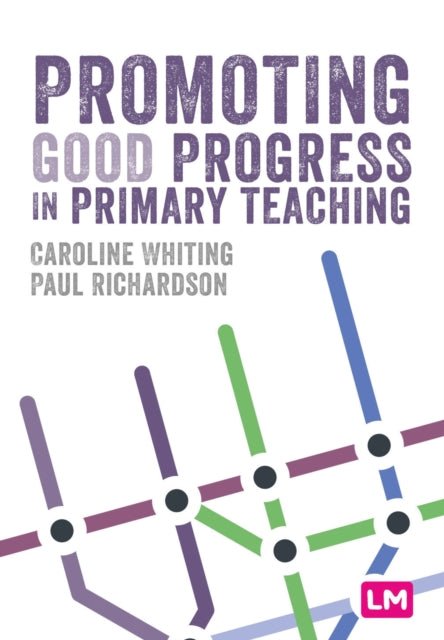
Caroline Whiting,Paul Richardson
Promoting Good Progress in Primary Schools
Promoting Good Progress in Primary Schools
💎 Earn 132 Points (£1.32) on this item.
We can order this item for you. Delivery usually takes about 4 to 6 weeks.
This item is not held in our immediate stock. We will order it for you after checkout.
Estimated delivery: About 4 to 6 weeks
YOU SAVE £3.45
- Condition: Brand new
- UK Delivery times: Usually arrives within 2 - 3 working days
- UK Shipping: Fee starts at £3.89. Subject to product weight & dimension
Bulk ordering. Want 15 or more copies? Get a personalised quote and bigger discounts. Learn more about bulk orders.
Couldn't load pickup availability
- More about Promoting Good Progress in Primary Schools
This text examines what "good progress" in primary schools looks like, how new teachers can ensure they are planning for it, and how they can evidence it. It provides practical support for trainees on how to plan for, identify, promote, evidence, and communicate information about progress.
Format: Paperback / softback
Length: 112 pages
Publication date: 28 March 2024
Publisher: Sage Publications Ltd
What does ′Good progress′ in primary schools look like?
Acquisition of Knowledge
Skill Development
Social and Emotional Development
Personal and Cultural Development
Assessment and Feedback
Collaboration and Partnership
Continuous Professional Development
In conclusion, good progress in primary schools involves the acquisition of knowledge, skill development, social and emotional development, personal and cultural development, assessment and feedback, collaboration and partnership, and continuous professional development. By providing children with a broad and balanced curriculum, opportunities to practice and develop essential skills, and a safe and supportive learning environment, teachers can help children achieve good progress and prepare them for success in their future academic and personal endeavors.
How do new teachers ensure they are planning for it?
Understand the Concept of Progress
Identify Learning Goals and Objectives
Use Effective Teaching Strategies
Collaborate with Colleagues and Parents
Continuously Evaluate and Adjust Planning
Stay Up-to-Date with Research and Best Practices
In conclusion, new teachers can ensure they are planning for good progress in primary schools by understanding the concept of progress, identifying learning goals and objectives, using effective teaching strategies, collaborating with colleagues and parents, continuously evaluating and adjusting planning, staying up-to-date with research and best practices, and being open to feedback and change. By doing so, they can help their students achieve good progress and prepare them for success in their future academic and personal endeavors.
How can they evidence it?
Assessment Data
Student Work and Projects
Observations and Feedback
Student Self-Assessment
Collaborative Projects and Activities
Progress Monitoring
In conclusion, evidence of good progress in primary schools can take many forms, depending on the specific goals and objectives of the school and the individual students. Teachers can use assessment data, student work and projects, observations and feedback, student self-assessment, collaborative projects and activities, progress monitoring, and other strategies to evidence good progress and to evaluate the effectiveness of their teaching strategies. By doing so, they can help their students achieve good progress and prepare them for success in their future academic and personal endeavors.
Weight: 200g
Dimension: 169 x 246 x 10 (mm)
ISBN-13: 9781529672442
UK and International shipping information
UK and International shipping information
We deliver throughout the United Kingdom and to 128 countries and territories worldwide, including the United States, Australia, Canada, Germany, Spain and France.