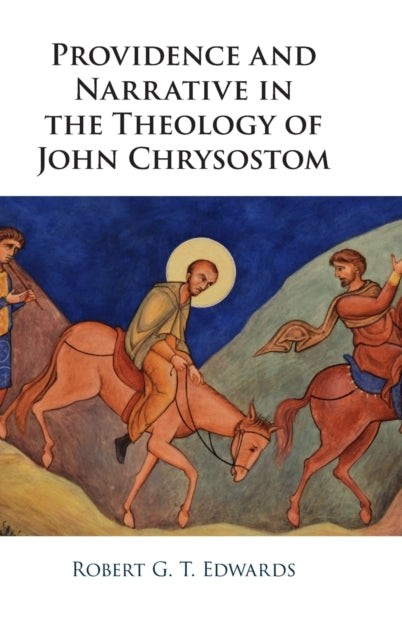
RobertEdwards
Providence and Narrative in the Theology of John Chrysostom
Providence and Narrative in the Theology of John Chrysostom
💎 Earn 434 Points (£4.34) on this item.
We can order this item for you. Delivery usually takes about 4 to 6 weeks.
This item is not held in our immediate stock. We will order it for you after checkout.
Estimated delivery: About 4 to 6 weeks
YOU SAVE £5.15
- Condition: Brand new
- UK Delivery times: Usually arrives within 2 - 3 working days
- UK Shipping: Fee starts at £2.39. Subject to product weight & dimension
Bulk ordering. Want 15 or more copies? Get a personalised quote and bigger discounts. Learn more about bulk orders.
Couldn't load pickup availability
- More about Providence and Narrative in the Theology of John Chrysostom
This book explores John Chrysostom's theology of providence, which uses biblical narratives to provide consolation to his suffering audiences and leads them to the resurrection life. It also positions his theology and exegesis within the broader Antiochene and Nicene contexts.
Format: Hardback
Length: 240 pages
Publication date: 15 December 2022
Publisher: Cambridge University Press
This book is a groundbreaking exploration into the thought of John Chrysostom, a renowned preacher in Syrian Antioch and later archbishop of Constantinople (circa 350 to 407 CE). While Chrysostom is often regarded as a moralist and exegete, this study delves into the profound impact of his theology of providence on his broader ethical and exegetical perspectives. Robert Edwards contends that Chrysostom views biblical narratives as vehicles for a doctrine of providence, where God is portrayed as supremely loving towards humanity. Consequently, these narratives serve as sources of solace for Chrysostom's suffering audiences, offering hope and encouragement even in the midst of adversity. Edwards further situates Chrysostom's theology and exegesis within the broader context of his immediate Antiochene and Nicene surroundings, highlighting their unique and unconventional nature.
Chrysostom's theology of providence is characterized by his belief in the omnipotence and omnipresence of God. He emphasizes that God is actively involved in the affairs of humanity and that every event, both good and bad, is part of God's plan for the ultimate redemption of humankind. Chrysostom's use of scriptural narratives for consolation is particularly noteworthy. He believes that these narratives provide a means for his audiences to connect with God and find solace in times of distress. By highlighting the themes of providence, love, and redemption, Chrysostom encourages his listeners to trust in God's goodness and believe that even in the darkest of times, there is a glimmer of hope and a promise of a better future.
One of the key themes in Chrysostom's theology of providence is the concept of God's love for humanity. He argues that God's love is not just a feeling or a sentiment, but a profound and unwavering commitment to the well-being and salvation of all people. Chrysostom uses biblical narratives to illustrate this love, highlighting instances where God has intervened in the lives of his people and shown them compassion and mercy. He believes that God's love is a source of strength and courage for those who face adversity, and that it can help them overcome even the most difficult circumstances.
Another important aspect of Chrysostom's theology of providence is his belief in the ultimate redemption of humankind. He believes that God has a plan for the restoration of all things and that he will ultimately bring about a new heaven and a new earth. Chrysostom uses scriptural narratives to illustrate this redemption, highlighting instances where God has worked through the suffering and death of his people to bring about a greater good. He believes that the resurrection of Jesus Christ is the key to this redemption and that through faith in him, people can have eternal life and be reconciled to God.
Chrysostom's theology of providence also has implications for how Christians should live their lives. He emphasizes the importance of living in obedience to God's will and trusting in his providence. He encourages his listeners to be patient and resilient in the face of adversity, knowing that God is working everything out for their good. Chrysostom also stresses the importance of serving others and spreading the gospel of Jesus Christ, knowing that God is using every circumstance to bring about his kingdom.
In conclusion, this book provides a comprehensive and insightful exploration into the thought of John Chrysostom, a prominent figure in the early Christian church. Through his theology of providence, Chrysostom demonstrates his deep love for humanity and his belief in the ultimate redemption of all people. His use of scriptural narratives for consolation and his unique exegesis place him within the broader context of his immediate Antiochene and Nicene surroundings. This study offers valuable insights into the nature of God's love, the role of providence in human life, and the significance of living in obedience to God's will.
Weight: 457g
ISBN-13: 9781009220934
UK and International shipping information
UK and International shipping information
UK Delivery and returns information:
- Delivery within 2 - 3 days when ordering in the UK.
- Shipping fee for UK customers from £2.39. Fully tracked shipping service available.
- Returns policy: Return within 30 days of receipt for full refund.
International deliveries:
Shulph Ink now ships to Australia, Belgium, Canada, France, Germany, Ireland, Italy, India, Luxembourg Saudi Arabia, Singapore, Spain, Netherlands, New Zealand, United Arab Emirates, United States of America.
- Delivery times: within 5 - 10 days for international orders.
- Shipping fee: charges vary for overseas orders. Only tracked services are available for most international orders. Some countries have untracked shipping options.
- Customs charges: If ordering to addresses outside the United Kingdom, you may or may not incur additional customs and duties fees during local delivery.