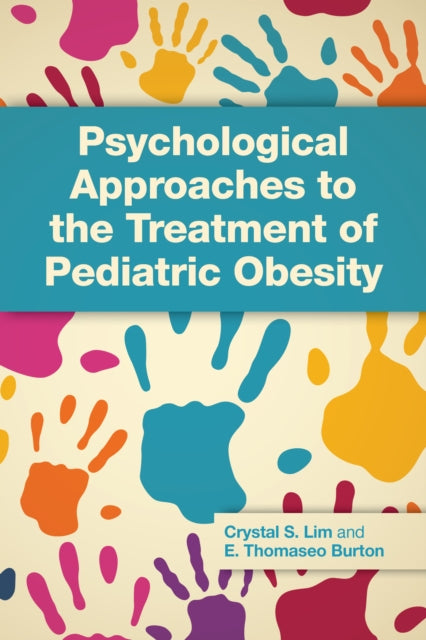
Crystal Stack Lim,Elvin Thomaseo Burton
Psychological Approaches to the Treatment of Pediatric Obesity
Psychological Approaches to the Treatment of Pediatric Obesity
💎 Earn 245 Points (£2.45) on this item.
YOU SAVE £2.91
- Condition: Brand new
- UK Delivery times: Usually arrives within 2 - 3 working days
- UK Shipping: Fee starts at £2.39. Subject to product weight & dimension
Bulk ordering. Want 15 or more copies? Get a personalised quote and bigger discounts. Learn more about bulk orders.
Couldn't load pickup availability
- More about Psychological Approaches to the Treatment of Pediatric Obesity
This book provides a comprehensive review of current research and theoretical approaches to pediatric obesity, addressing gender, race, ethnicity, socioeconomic status, and psychological factors, and offering effective strategies for prevention and treatment. It is written for mental health clinicians and medical practitioners and incorporates cutting-edge research and clinical experience.
Format: Paperback / softback
Length: 276 pages
Publication date: 07 May 2024
Publisher: American Psychological Association
This book offers a comprehensive review of current research and theoretical approaches to pediatric obesity, which is a significant public health concern affecting millions of children and adolescents worldwide. Prevention and treatment of this complex health condition require a multifaceted approach that acknowledges the intersecting roles of gender, race and ethnicity, socioeconomic status, and other factors that play key roles in the onset and maintenance of pediatric obesity. Written for mental health clinicians, as well as medical practitioners such as physicians, nurses, dietitians, and exercise physiologists who care for children and adolescents, this helpful resource offers a comprehensive review of current research and theoretical approaches, as well as clear descriptions of effective strategies to prevent and treat pediatric obesity. Through a lens of diversity, equity, and inclusion, the authors incorporate cutting-edge research and their extensive clinical experience and expertise as they review evidence-based treatments that can be incorporated into various settings, including primary care, mental health, and specialty medical care clinics as well as schools and community organizations. With a special focus on psychological factors, including mental health conditions that frequently co-occur with pediatric obesity, this book incorporates case examples, treatment guidelines, and reproducible handouts to make addressing pediatric obesity more accessible to clinicians and practitioners.
Pediatric obesity is a significant public health concern that affects millions of children and adolescents worldwide. Prevention and treatment of this complex health condition require a multifaceted approach that acknowledges the intersecting roles of gender, race and ethnicity, socioeconomic status, and other factors that play key roles in the onset and maintenance of pediatric obesity. Written for mental health clinicians, as well as medical practitioners such as physicians, nurses, dietitians, and exercise physiologists who care for children and adolescents, this helpful resource offers a comprehensive review of current research and theoretical approaches, as well as clear descriptions of effective strategies to prevent and treat pediatric obesity. Through a lens of diversity, equity, and inclusion, the authors incorporate cutting-edge research and their extensive clinical experience and expertise as they review evidence-based treatments that can be incorporated into various settings, including primary care, mental health, and specialty medical care clinics as well as schools and community organizations. With a special focus on psychological factors, including mental health conditions that frequently co-occur with pediatric obesity, this book incorporates case examples, treatment guidelines, and reproducible handouts to make addressing pediatric obesity more accessible to clinicians and practitioners.
Pediatric Obesity: A Comprehensive Review of Current Research and Theoretical Approaches
Pediatric obesity is a significant public health concern that currently affects approximately 5 children and adolescents in the United States. Prevention and treatment of this complex health condition require a multifaceted approach that acknowledges the intersecting roles of gender, race and ethnicity, socioeconomic status, and other factors that play key roles in the onset and maintenance of pediatric obesity. Written for mental health clinicians, as well as medical practitioners such as physicians, nurses, dietitians, and exercise physiologists who care for children and adolescents, this helpful resource offers a comprehensive review of current research and theoretical approaches, as well as clear descriptions of effective strategies to prevent and treat pediatric obesity. Through a lens of diversity, equity, and inclusion, the authors incorporate cutting-edge research and their extensive clinical experience and expertise as they review evidence-based treatments that can be incorporated into various settings, including primary care, mental health, and specialty medical care clinics as well as schools and community organizations. With a special focus on psychological factors, including mental health conditions that frequently co-occur with pediatric obesity, this book incorporates case examples, treatment guidelines, and reproducible handouts to make addressing pediatric obesity more accessible to clinicians and practitioners.
Pediatric Obesity: A Complex Health Condition
Pediatric obesity is a complex health condition that is characterized by excess body weight and body fat. It is a multifaceted condition that is influenced by a variety of factors, including genetics, diet, physical activity, and environmental factors. Pediatric obesity can have serious health consequences, including increased risk of type 2 diabetes, heart disease, and stroke. It can also lead to social and emotional problems, such as low self-esteem, depression, and anxiety. Prevention and treatment of pediatric obesity require a comprehensive approach that addresses all of these factors. This book provides a comprehensive review of current research and theoretical approaches to pediatric obesity, as well as clear descriptions of effective strategies to prevent and treat pediatric obesity. It is written for mental health clinicians, as well as medical practitioners such as physicians, nurses, dietitians, and exercise physiologists who care for children and adolescents. The book incorporates cutting-edge research and the authors' extensive clinical experience and expertise to provide a comprehensive and up-to-date overview of the field. It also includes case examples, treatment guidelines, and reproducible handouts to make addressing pediatric obesity more accessible to clinicians and practitioners.
The Intersecting Roles of Gender, Race and Ethnicity, Socioeconomic Status, and Other Factors in Pediatric Obesity
Pediatric obesity is a complex health condition that is influenced by a variety of factors, including gender, race and ethnicity, socioeconomic status, and other factors. Gender plays a significant role in the development of pediatric obesity, with girls being more likely to be obese than boys. Race and ethnicity also play a role, with African American and Hispanic children being more likely to be obese than white children. Socioeconomic status is also a significant factor, with children from low-income families being more likely to be obese than children from high-income families. Other factors, such as diet, physical activity, and environmental factors, also play a role in the development of pediatric obesity. Understanding the intersecting roles of these factors is essential for developing effective prevention and treatment strategies for pediatric obesity. This book provides a comprehensive review of current research and theoretical approaches to pediatric obesity, as well as clear descriptions of effective strategies to prevent and treat pediatric obesity. It is written for mental health clinicians, as well as medical practitioners such as physicians, nurses, dietitians, and exercise physiologists who care for children and adolescents. The book incorporates cutting-edge research and the authors' extensive clinical experience and expertise to provide a comprehensive and up-to-date overview of the field. It also includes case examples, treatment guidelines, and reproducible handouts to make addressing pediatric obesity more accessible to clinicians and practitioners.
Prevention and Treatment of Pediatric Obesity
Prevention and treatment of pediatric obesity require a comprehensive approach that addresses all of the factors that contribute to the condition. This approach should include a combination of lifestyle changes, such as healthy eating, regular physical activity, and reducing sedentary behavior, as well as medical interventions, such as medication and surgery. Lifestyle changes are important for preventing and treating pediatric obesity, as they can help to reduce the risk of developing chronic health conditions such as type 2 diabetes, heart disease, and stroke. Medical interventions, such as medication and surgery, can be used to treat pediatric obesity in cases where lifestyle changes are not effective. However, medical interventions should be used with caution, as they can have potential side effects and may not be appropriate for all children and adolescents. This book provides a comprehensive review of current research and theoretical approaches to pediatric obesity, as well as clear descriptions of effective strategies to prevent and treat pediatric obesity. It is written for mental health clinicians, as well as medical practitioners such as physicians, nurses, dietitians, and exercise physiologists who care for children and adolescents. The book incorporates cutting-edge research and the authors' extensive clinical experience and expertise to provide a comprehensive and up-to-date overview of the field. It also includes case examples, treatment guidelines, and reproducible handouts to make addressing pediatric obesity more accessible to clinicians and practitioners.
Diversity, Equity, and Inclusion in Pediatric Obesity Treatment
Diversity, equity, and inclusion are important considerations in pediatric obesity treatment. Children and adolescents from diverse backgrounds may have different experiences with obesity and may require different treatment approaches. This book provides a comprehensive review of current research and theoretical approaches to pediatric obesity, as well as clear descriptions of effective strategies to prevent and treat pediatric obesity. It is written for mental health clinicians, as well as medical practitioners such as physicians, nurses, dietitians, and exercise physiologists who care for children and adolescents. The book incorporates cutting-edge research and the authors' extensive clinical experience and expertise to provide a comprehensive and up-to-date overview of the field. It also includes case examples, treatment guidelines, and reproducible handouts to make addressing pediatric obesity more accessible to clinicians and practitioners. By incorporating diversity, equity, and inclusion into pediatric obesity treatment, we can ensure that all children and adolescents receive the best possible care and support.
Conclusion
Pediatric obesity is a significant public health concern that requires a comprehensive approach that acknowledges the intersecting roles of gender, race and ethnicity, socioeconomic status, and other factors that play key roles in the onset and maintenance of pediatric obesity. Written for mental health clinicians, as well as medical practitioners such as physicians, nurses, dietitians, and exercise physiologists who care for children and adolescents, this helpful resource offers a comprehensive review of current research and theoretical approaches, as well as clear descriptions of effective strategies to prevent and treat pediatric obesity. Through a lens of diversity, equity, and inclusion, the authors incorporate cutting-edge research and their extensive clinical experience and expertise as they review evidence-based treatments that can be incorporated into various settings, including primary care, mental health, and specialty medical care clinics as well as schools and community organizations. With a special focus on psychological factors, including mental health conditions that frequently co-occur with pediatric obesity, this book incorporates case examples, treatment guidelines, and reproducible handouts to make addressing pediatric obesity more accessible to clinicians and practitioners. By working together to address pediatric obesity, we can help to improve the health and well-being of millions of children and adolescents worldwide.
Weight: 410g
Dimension: 152 x 229 x 19 (mm)
ISBN-13: 9781433838927
UK and International shipping information
UK and International shipping information
UK Delivery and returns information:
- Delivery within 2 - 3 days when ordering in the UK.
- Shipping fee for UK customers from £2.39. Fully tracked shipping service available.
- Returns policy: Return within 30 days of receipt for full refund.
International deliveries:
Shulph Ink now ships to Australia, Belgium, Canada, France, Germany, Ireland, Italy, India, Luxembourg Saudi Arabia, Singapore, Spain, Netherlands, New Zealand, United Arab Emirates, United States of America.
- Delivery times: within 5 - 10 days for international orders.
- Shipping fee: charges vary for overseas orders. Only tracked services are available for most international orders. Some countries have untracked shipping options.
- Customs charges: If ordering to addresses outside the United Kingdom, you may or may not incur additional customs and duties fees during local delivery.