James T. Bradley
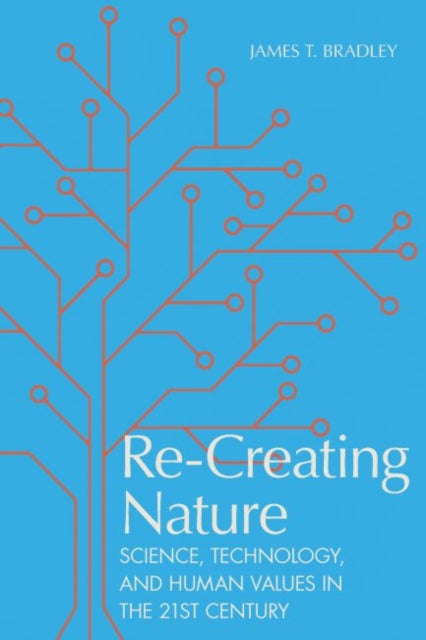
Re-Creating Nature: Science, Technology, and Human Values in the Twenty-First Century
Re-Creating Nature: Science, Technology, and Human Values in the Twenty-First Century
💎 Earn 151 Points (£1.51) on this item.
YOU SAVE £1.79
- Condition: Brand new
- UK Delivery times: Usually arrives within 2 - 3 working days
- UK Shipping: Fee starts at £2.39. Subject to product weight & dimension
Bulk ordering. Want 15 or more copies? Get a personalised quote and bigger discounts. Learn more about bulk orders.
Couldn't load pickup availability
- More about Re-Creating Nature: Science, Technology, and Human Values in the Twenty-First Century
New biotechnologies have ethical implications that need to be examined, such as the notion of personhood, safety, environmental concerns, and distributive justice. James T. Bradley's book Re-Creating Nature: Science, Technology, and Human Values in the Twenty-First Century explores these topics and highlights the responsibilities of scientists and nonscientists to conduct research in an ethical manner.
Format: Hardback
Length: 376 pages
Publication date: 30 November 2019
Publisher: The University of Alabama Press
The ethical and moral implications of emerging biotechnologies are a complex and multifaceted topic that requires careful examination. While many of these technologies hold immense potential for benefiting humanity, they also raise significant concerns and questions about the boundaries of science, technology, and human values.
One area of concern is the notion of personhood and the role of robots in ethical decision-making. As robots become increasingly capable of making decisions that have ethical implications, it becomes important to consider whether they should be held responsible for their actions and the consequences they result in. Should society reward and punish robots in the same way that it does humans?
Another area of concern is the safety and environmental implications of new biotechnologies. For example, the use of genetically modified organisms (GMOs) in food production has raised concerns about the potential impact on human health and the environment. Similarly, the development of nanotechnology and its applications in engineering and medicine raise questions about the potential risks and benefits to human health and the environment.
Distributive justice is also an important ethical consideration in the context of emerging biotechnologies. As these technologies become more accessible and affordable, it is important to ensure that they are distributed fairly and that they do not exacerbate existing inequalities.
The problem of dual-use, where a technology can be used both to benefit and to harm, is a central concern in the context of emerging 21st century technologies such as artificial intelligence, robotics, and human gene-editing. These technologies have the potential to revolutionize various industries and improve human life, but they also pose risks and uncertainties.
In his book, Re-Creating Nature: Science, Technology, and Human Values in the Twenty-First Century, James T. Bradley explores the ethical and moral implications of emerging biotechnologies. He provides clear explanations of these various technologies, presents pragmatic discussions of the conundrums, and raises questions that illuminate hypothetical situations. Bradley's book is an invaluable resource for anyone interested in understanding the ethical and moral challenges posed by emerging biotechnologies and the need for careful consideration and regulation.
In conclusion, the ethical and moral implications of emerging biotechnologies are a complex and multifaceted topic that requires careful examination and consideration. While these technologies hold immense potential for benefiting humanity, they also raise significant concerns and questions about the boundaries of science, technology, and human values. It is essential to engage in open and informed discussions about these issues to ensure that the development and implementation of new biotechnologies are guided by ethical principles and that they benefit society as a whole.
Weight: 764g
Dimension: 217 x 269 x 33 (mm)
ISBN-13: 9780817320294
UK and International shipping information
UK and International shipping information
UK Delivery and returns information:
- Delivery within 2 - 3 days when ordering in the UK.
- Shipping fee for UK customers from £2.39. Fully tracked shipping service available.
- Returns policy: Return within 30 days of receipt for full refund.
International deliveries:
Shulph Ink now ships to Australia, Belgium, Canada, France, Germany, Ireland, Italy, India, Luxembourg Saudi Arabia, Singapore, Spain, Netherlands, New Zealand, United Arab Emirates, United States of America.
- Delivery times: within 5 - 10 days for international orders.
- Shipping fee: charges vary for overseas orders. Only tracked services are available for most international orders. Some countries have untracked shipping options.
- Customs charges: If ordering to addresses outside the United Kingdom, you may or may not incur additional customs and duties fees during local delivery.