Shulph Ink
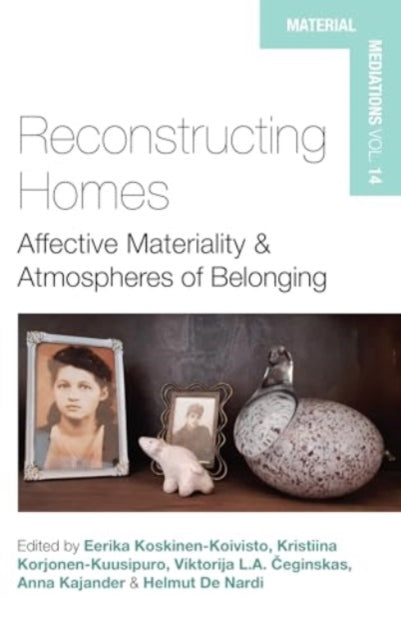
Reconstructing Homes: Affective Materiality and Atmospheres of Belonging
Reconstructing Homes: Affective Materiality and Atmospheres of Belonging
💎 Earn 506 Points (£5.06) on this item.
YOU SAVE £2.76
- Condition: Brand new
- UK Delivery times: Usually arrives within 2 - 3 working days
- UK Shipping: Fee starts at £2.39. Subject to product weight & dimension
Bulk ordering. Want 15 or more copies? Get a personalised quote and bigger discounts. Learn more about bulk orders.
Couldn't load pickup availability
- More about Reconstructing Homes: Affective Materiality and Atmospheres of Belonging
Reconstructing Homes explores affective engagements with materiality in the context of home and belonging through sensory ethnography, visual methods, and autoethnography.
Format: Hardback
Length: 232 pages
Publication date: 01 July 2024
Publisher: Berghahn Books
Home is a complex and multifaceted concept that is shaped by a range of sensory experiences and materiality. People engage with their homes in unique ways, creating continuity and a sense of belonging that is deeply personal and meaningful. Reconstructing Homes takes a multidisciplinary approach to explore these affective engagements, using sensory ethnography, visual methods, and autoethnography methodologies.
Sensory ethnography involves observing and analyzing the sensory experiences of individuals in different contexts, such as homes, workplaces, and public spaces. It focuses on the ways in which sensory stimuli, such as sounds, smells, tastes, and textures, shape our perceptions and experiences of the world. By examining the sensory experiences of individuals in different homes, Reconstructing Homes can gain insights into the ways in which materiality and objects contribute to the creation of affective atmospheres and memories.
Visual methods involve the use of photography, video, and other visual media to capture the visual aspects of homes and the objects within them. These methods can help to reveal the visual patterns and meanings that are associated with homes and the objects within them. By analyzing the visual images of homes, Reconstructing Homes can gain insights into the ways in which materiality and objects are used to create visual narratives and convey meaning.
Autoethnography involves the use of personal experiences and narratives to explore the ways in which individuals engage with materiality and objects in their own lives. It can help to reveal the personal meanings and values that are associated with homes and the objects within them. By analyzing the autoethnographic narratives of individuals, Reconstructing Homes can gain insights into the ways in which materiality and objects are used to shape individual identities and experiences.
One of the key themes that Reconstructing Homes explores is the relationship between materiality and affect. Materiality refers to the physical properties of objects and the ways in which they are used and experienced. Affect refers to the emotional and psychological responses that individuals have to objects and the environments in which they are located. Reconstructing Homes argues that materiality and affect are intertwined and that they play a critical role in shaping our experiences of home and belonging.
One of the ways in which materiality and affect are intertwined is through the creation of sensory experiences. Sensory experiences can be both positive and negative, and they can have a significant impact on our emotions and behavior. For example, the smell of fresh bread can evoke feelings of comfort and nostalgia, while the sound of a thunderstorm can be unsettling and anxiety-inducing. By examining the sensory experiences of individuals in different homes, Reconstructing Homes can gain insights into the ways in which materiality and objects contribute to the creation of positive and negative affective atmospheres.
Another way in which materiality and affect are intertwined is through the use of objects and the meanings that they hold. Objects can be used to express personal values and beliefs, and they can also be used to create a sense of identity and belonging. For example, a family heirloom can be passed down from generation to generation and can serve as a symbol of family history and identity. By examining the meanings that individuals attach to objects, Reconstructing Homes can gain insights into the ways in which materiality and objects contribute to the creation of a sense of identity and belonging.
However, the relationship between materiality and affect is not always positive. Materiality can also be associated with negative experiences, such as clutter, disorganization, and environmental degradation. These negative experiences can have a significant impact on our mental health and well-being. Reconstructing Homes argues that it is important to address these negative experiences and to create homes that are both functional and aesthetically pleasing.
One way in which Reconstructing Homes addresses these negative experiences is through the use of design. Design can be used to create homes that are both functional and aesthetically pleasing, and that are designed to meet the needs of individuals and families. Design can also be used to create homes that are environmentally sustainable, and that are designed to reduce the impact of human activity on the environment.
Another way in which Reconstructing Homes addresses these negative experiences is through the use of mindfulness and meditation. Mindfulness and meditation can help individuals to become more aware of their sensory experiences and to develop a greater sense of self-awareness. By practicing mindfulness and meditation, individuals can learn to manage their emotions and to reduce the negative impact of negative experiences on their mental health and well-being.
In conclusion, the practice of constructing the idea of home and the emotions surrounding it is shaped by a range of sensory experiences and materiality. People engage with their homes in unique ways, creating continuity and a sense of belonging that is deeply personal and meaningful. Reconstructing Homes takes a multidisciplinary approach to explore these affective engagements, using sensory ethnography, visual methods, and autoethnography methodologies. By examining the sensory experiences of individuals in different homes, Reconstructing Homes can gain insights into the ways in which materiality and objects contribute to the creation of affective atmospheres and memories. By addressing negative experiences and creating homes that are both functional and aesthetically pleasing, Reconstructing Homes can help to improve the mental health and well-being of individuals and families.
Weight: 484g
Dimension: 236 x 160 x 20 (mm)
ISBN-13: 9781805395737
UK and International shipping information
UK and International shipping information
UK Delivery and returns information:
- Delivery within 2 - 3 days when ordering in the UK.
- Shipping fee for UK customers from £2.39. Fully tracked shipping service available.
- Returns policy: Return within 30 days of receipt for full refund.
International deliveries:
Shulph Ink now ships to Australia, Belgium, Canada, France, Germany, Ireland, Italy, India, Luxembourg Saudi Arabia, Singapore, Spain, Netherlands, New Zealand, United Arab Emirates, United States of America.
- Delivery times: within 5 - 10 days for international orders.
- Shipping fee: charges vary for overseas orders. Only tracked services are available for most international orders. Some countries have untracked shipping options.
- Customs charges: If ordering to addresses outside the United Kingdom, you may or may not incur additional customs and duties fees during local delivery.