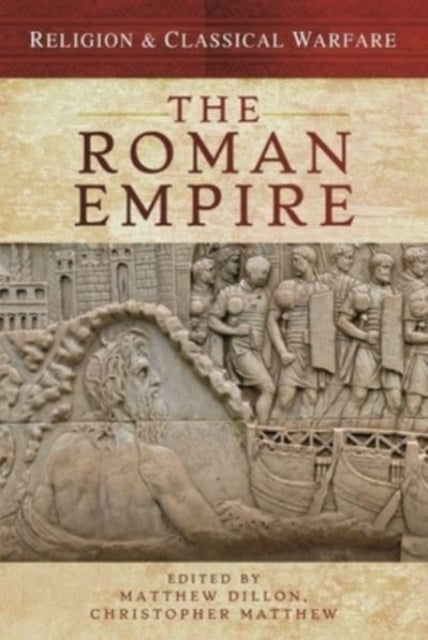
Matthew Dillon,Christopher Matthew
Religion & Classical Warfare: The Roman Empire
Religion & Classical Warfare: The Roman Empire
💎 Earn 88 Points (£0.88) on this item.
YOU SAVE £7.30
- Condition: Brand new
- UK Delivery times: Usually arrives within 2 - 3 working days
- UK Shipping: Fee starts at £3.89. Subject to product weight & dimension
Bulk ordering. Want 15 or more copies? Get a personalised quote and bigger discounts. Learn more about bulk orders.
Couldn't load pickup availability
- More about Religion & Classical Warfare: The Roman Empire
Religion played a significant role in the conduct of war in the ancient world, and the Romans were no exception. This volume explores the relationship between war and religion in the Roman Empire, including the Imperial cults, army and religious disputes, Trajan and religion, Constantine and Christianity, omens and portents, funerary cults, and the cult of Mithras.
Format: Hardback
Length: 336 pages
Publication date: 17 March 2022
Publisher: Pen & Sword Books Ltd
Religion played a significant role in the conduct of war in the ancient world, and the Romans were no exception. Before embarking on any campaign or risking a battle, the Romans would make sacrifices to appease the appropriate gods, such as Mars, the god of war, or consult oracles and omens to divine their plans. However, the relationship between war and religion has often been overlooked by modern scholars who study these conflicts. This volume aims to rectify that oversight by bringing together the expertise of scholars from around the globe.
The chapters in this volume have been carefully structured by the editors to ensure that a diverse range of scholarship combines to provide a coherent and comprehensive study of the role of religion in the wars of the Roman Empire. The topics covered in depth include:
The Imperial cults and legionary loyalty: The Roman Empire was characterized by the worship of the emperor as a god, and the loyalty of the legionaries was often tied to their devotion to the imperial cult. This chapter explores the relationship between the cult of the emperor and the loyalty of the legionaries.
The army and religious/regional disputes: The Roman army was composed of soldiers from diverse religious and regional backgrounds, and religious disputes often played a role in military conflicts. This chapter examines the ways in which religious differences contributed to military tensions and conflicts.
Trajan and religion: Trajan, the Roman emperor who ruled from 98 to 117 AD, was known for his religious tolerance and his support for the cult of the emperor. This chapter explores Trajan's religious policies and their impact on the Roman Empire.
Constantine and Christianity: Constantine, the Roman emperor who converted to Christianity in 312 AD, is considered one of the most important figures in the history of Christianity. This chapter examines the relationship between Constantine and Christianity and its impact on the Roman Empire.
Omens and portents: The Romans believed that omens and portents could predict the outcome of battles and other events. This chapter explores the role of omens and portents in the Roman military and their significance in determining the course of wars.
Funerary cults and practices: The Roman Empire was characterized by a complex system of funerary cults and practices, which often played a role in military conflicts. This chapter examines the funerary cults and practices of the Roman army and their significance in maintaining morale and loyalty.
The cult of Mithras: Mithras was a popular cult in the Roman Empire that was associated with the god of war and sacrifice. This chapter explores the cult of Mithras and its significance in the Roman military.
The Imperial sacramentum: The Imperial sacramentum was a religious ceremony that was performed to mark the beginning of a new campaign or the conclusion of a war. This chapter explores the significance of the Imperial sacramentum and its role in the Roman military.
Religion and Imperial military medicine: The Roman military relied on a system of medical care that was influenced by religious beliefs and practices. This chapter explores the relationship between religion and Imperial military medicine and its impact on the health and well-being of the Roman soldiers.
In conclusion, this volume provides a comprehensive and insightful study of the role of religion in the wars of the Roman Empire. By bringing together the expertise of scholars from across the globe
The Roman Empire was characterized by the worship of the emperor as a god, and the loyalty of the legionaries was often tied to their devotion to the imperial cult. This chapter explores the relationship between the cult of the emperor and the loyalty of the legionaries.
The army and religious/regional disputes: The Roman army was composed of soldiers from diverse religious and regional backgrounds, and religious disputes often played a role in military conflicts. This chapter examines the ways in which religious differences contributed to military tensions and conflicts.
Trajan and religion: Trajan, the Roman emperor who ruled from 98 to 117 AD, was known for his religious tolerance and his support for the cult of the emperor. This chapter explores Trajan's religious policies and their impact on the Roman Empire.
Constantine and Christianity: Constantine, the Roman emperor who converted to Christianity in 312 AD, is considered one of the most important figures in the history of Christianity. This chapter examines the relationship between Constantine and Christianity and its impact on the Roman Empire.
Omens and portents: The Romans believed that omens and portents could predict the outcome of battles and other events. This chapter explores the role of omens and portents in the Roman military and their significance in determining the course of wars.
Funerary cults and practices: The Roman Empire was characterized by a complex system of funerary cults and practices, which often played a role in military conflicts. This chapter examines the funerary cults and practices of the Roman army and their significance in maintaining morale and loyalty.
The cult of Mithras: Mithras was a popular cult in the Roman Empire that was associated with the god of war and sacrifice. This chapter explores the cult of Mithras and its significance in the Roman military.
The Imperial sacramentum: The Imperial sacramentum was a religious ceremony that was performed to mark the beginning of a new campaign or the conclusion of a war. This chapter explores the significance of the Imperial sacramentum and its role in the Roman military.
Religion and Imperial military medicine: The Roman military relied on a system of medical care that was influenced by religious beliefs and practices. This chapter explores the relationship between religion and Imperial military medicine and its impact on the health and well-being of the Roman soldiers.
In conclusion, this volume provides a comprehensive and insightful study of the role of religion in the wars of the Roman Empire. By bringing the expertise of scholars from across the globe
The Roman Empire was characterized by the worship of the emperor as a god, and the loyalty of the legionaries was often tied to their devotion to the imperial cult. This chapter explores the relationship between the cult of the emperor and the loyalty of the legionaries.
The army and religious/regional disputes: The Roman army was composed of soldiers from diverse religious and regional backgrounds, and religious disputes often played a role in military conflicts. This chapter examines the ways in which religious differences contributed to military tensions and conflicts.
Trajan and religion: Trajan, the Roman emperor who ruled from 98 to 117 AD, was known for his religious tolerance and his support for the cult of the emperor. This chapter explores Trajan's religious policies and their impact on the Roman Empire.
Constantine and Christianity: Constantine, the Roman emperor who converted to Christianity in 312 AD, is considered one of the most important figures in the history of Christianity. This chapter examines the relationship between Constantine and Christianity and its impact on the Roman Empire.
Omens and portents: The Romans believed that omens and portents could predict the outcome of battles and other events. This chapter explores the role of omens and portents in the Roman military and their significance in determining the course of wars.
Funerary cults and practices: The Roman Empire was characterized by a complex system of funerary cults and practices, which often played a role in military conflicts. This chapter examines the funerary cults and practices of the Roman army and their significance in maintaining morale and loyalty.
The cult of Mithras: Mithras was a popular cult in the Roman Empire that was associated with the god of war and sacrifice. This chapter explores the cult of Mithras and its significance in the Roman military.
The Imperial sacramentum: The Imperial sacramentum was a religious ceremony that was performed to mark the beginning of a new campaign or the conclusion of a war. This chapter explores the significance of the Imperial sacramentum and its role in the Roman military.
Religion and Imperial military medicine: The Roman military relied on a system of medical care that was influenced by religious beliefs and practices. This chapter explores the relationship between religion and Imperial military medicine and its impact on the health and well-being of the Roman soldiers.
In conclusion, this volume provides a comprehensive and insightful study of the role of religion in the wars of the Roman Empire. By bringing the expertise of scholars from across the globe
The Roman Empire was characterized by the worship of the emperor as a god, and the loyalty of the legionaries was often tied to their devotion to the imperial cult. This chapter explores the relationship between the cult of the emperor and the loyalty of the legionaries.
The army and religious/regional disputes: The Roman army was composed of soldiers from diverse religious and regional backgrounds, and religious disputes often played a role in military conflicts. This chapter examines the ways in which religious differences contributed to military tensions and conflicts.
Trajan and religion: Trajan, the Roman emperor who ruled from 98 to 117 AD, was known for his religious tolerance and his support for the cult of the emperor. This chapter explores Trajan's religious policies and their impact on the Roman Empire.
Constantine and Christianity: Constantine, the Roman emperor who converted to Christianity in 312 AD, is considered one of the most important figures in the history of Christianity. This chapter examines the relationship between Constantine and Christianity and its impact on the Roman Empire.
Omens and portents: The Romans believed that omens and portents could predict the outcome of battles and other events. This chapter explores the role of omens and portents in the Roman military and their significance in determining the course of wars.
Funerary cults and practices: The Roman Empire was characterized by a complex system of funerary cults and practices, which often played a role in military conflicts. This chapter examines the funerary cults and practices of the Roman army and their significance in maintaining morale and loyalty.
The cult of Mithras: Mithras was a popular cult in the Roman Empire that was associated with the god of war and sacrifice. This chapter explores the cult of Mithras and its significance in the Roman military.
The Imperial sacramentum: The Imperial sacramentum was a religious ceremony that was performed to mark the beginning of a new campaign or the conclusion of a war. This chapter explores the significance of the Imperial sacramentum and its role in the Roman military.
Religion and Imperial military medicine: The Roman military relied on a system of medical care that was influenced by religious beliefs and practices. This chapter explores the relationship between religion and Imperial military medicine and its impact on the health and well-being of the Roman soldiers.
In conclusion, this volume provides a comprehensive and insightful study of the role of religion in the wars of the Roman Empire. By bringing the expertise of scholars from across the globe
Weight: 1066g
Dimension: 165 x 241 x 37 (mm)
ISBN-13: 9781473834309
UK and International shipping information
UK and International shipping information
We deliver throughout the United Kingdom and to 128 countries and territories worldwide, including the United States, Australia, Canada, Germany, Spain and France.