Joerg MatthiasDetermann
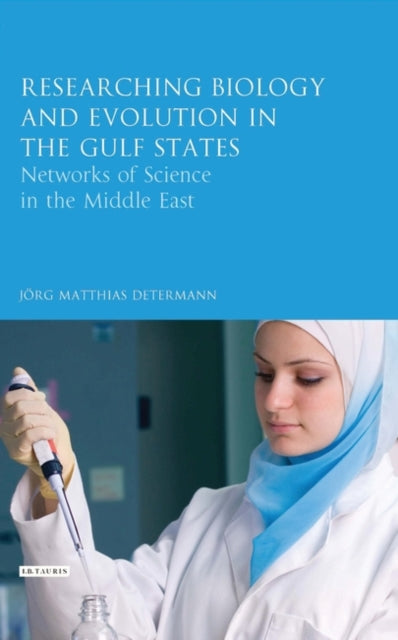
Researching Biology and Evolution in the Gulf States: Networks of Science in the Middle East
Researching Biology and Evolution in the Gulf States: Networks of Science in the Middle East
💎 Earn 159 Points (£1.59) on this item.
We can order this item for you. Delivery usually takes about 4 to 6 weeks.
This item is not held in our immediate stock. We will order it for you after checkout.
Estimated delivery: About 4 to 6 weeks
- Condition: Brand new
- UK Delivery times: Usually arrives within 2 - 3 working days
- UK Shipping: Fee starts at £2.39. Subject to product weight & dimension
Bulk ordering. Want 15 or more copies? Get a personalised quote and bigger discounts. Learn more about bulk orders.
Couldn't load pickup availability
- More about Researching Biology and Evolution in the Gulf States: Networks of Science in the Middle East
Officials and religious scholars in Gulf states have banned the teaching of evolution due to its association with atheism, but research on biological evolution has flourished due to the development of academic and professional networks. These networks consist of vertical patron-client relationships and horizontal links between scientists within the Gulf region and beyond, making the Arab world an area interconnected with global science.
Format: Paperback / softback
Length: 256 pages
Publication date: 23 February 2023
Publisher: Bloomsbury Publishing PLC
The teaching of the theory of evolution has faced repeated bans in Gulf states due to its association with atheism. However, Jorg Matthias Determann argues that despite official prohibitions, research on biological evolution has flourished, largely due to the development of academic and professional networks. This book explores these networks across various branches of biology, including botany, conservation research, ornithology, and palaeontology. In rentier societies like the Gulf region, some scientific networks are characterized by vertical patron-client relationships. For instance, those in power who prioritize wildlife conservation may offer patronage to biologists studying desert ecology. Nonetheless, horizontal connections between scientists within the Gulf region and beyond are equally significant.
Determann contends that we should view the Arab world as an interconnected region with global science, fully integrated into the scientific and technological advancements being pioneered worldwide. The development of academic and professional networks has played a crucial role in fostering research on biological evolution, despite official restrictions. These networks have transcended geographical boundaries, bringing together scientists from different countries and disciplines.
The Gulf region's scientific communities have benefited from the exchange of ideas, collaboration, and access to resources. Vertical patron-client relationships have facilitated the exchange of knowledge and expertise, allowing scientists to work on complex issues related to biodiversity conservation and environmental sustainability. At the same time, horizontal connections have fostered a sense of community and mutual support among scientists, promoting the sharing of research findings and the development of new ideas.
The book highlights the importance of both vertical and horizontal professional networks in the Arab world. Vertical networks, characterized by patronage and power dynamics, have played a significant role in promoting scientific research and innovation. However, horizontal networks have also contributed to the growth of scientific knowledge and the development of new technologies.
The book explores the historical development of these networks and their impact on the advancement of biology in the Gulf region. It also examines the challenges and opportunities faced by scientists in this region, including the need for increased funding, infrastructure, and research opportunities. The book concludes by emphasizing the importance of promoting scientific education and awareness in the Arab world, to enable more young people to pursue careers in science and technology.
In conclusion, the book "Networks of Biology in the Arab World" provides a valuable insight into the development of academic and professional networks in the Gulf region. It highlights the importance of these networks in fostering research on biological evolution and promoting scientific knowledge and innovation. The book emphasizes the need for both vertical and horizontal professional networks to support the growth of science and technology in the Arab world. By promoting scientific education and awareness, we can enable more young people to pursue careers in science and contribute to the development of the region.
Dimension: 216 x 138 (mm)
ISBN-13: 9780755650354
This item can be found in:
UK and International shipping information
UK and International shipping information
UK Delivery and returns information:
- Delivery within 2 - 3 days when ordering in the UK.
- Shipping fee for UK customers from £2.39. Fully tracked shipping service available.
- Returns policy: Return within 30 days of receipt for full refund.
International deliveries:
Shulph Ink now ships to Australia, Belgium, Canada, France, Germany, Ireland, Italy, India, Luxembourg Saudi Arabia, Singapore, Spain, Netherlands, New Zealand, United Arab Emirates, United States of America.
- Delivery times: within 5 - 10 days for international orders.
- Shipping fee: charges vary for overseas orders. Only tracked services are available for most international orders. Some countries have untracked shipping options.
- Customs charges: If ordering to addresses outside the United Kingdom, you may or may not incur additional customs and duties fees during local delivery.