Shulph Ink
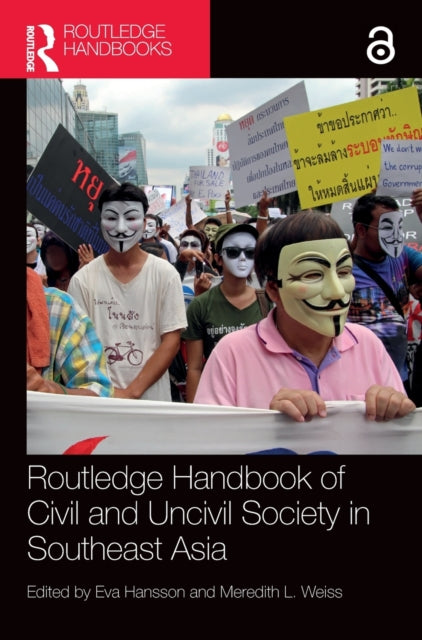
Routledge Handbook of Civil and Uncivil Society in Southeast Asia
Routledge Handbook of Civil and Uncivil Society in Southeast Asia
💎 Earn 991 Points (£9.91) on this item.
We can order this item for you. Delivery usually takes about 4 to 6 weeks.
This item is not held in our immediate stock. We will order it for you after checkout.
Estimated delivery: About 4 to 6 weeks
YOU SAVE £11.76
- Condition: Brand new
- UK Delivery times: Usually arrives within 2 - 3 working days
- UK Shipping: Fee starts at £2.39. Subject to product weight & dimension
Bulk ordering. Want 15 or more copies? Get a personalised quote and bigger discounts. Learn more about bulk orders.
Couldn't load pickup availability
- More about Routledge Handbook of Civil and Uncivil Society in Southeast Asia
The Routledge Handbook of Civil and Uncivil Society in Southeast Asia provides a comprehensive analysis of civil society in the region,engaging with theoretical approaches and empirical nuance. It highlights the importance of civil society as a domain for political engagement outside the state and parties,and the prevalence and weight of uncivil dimensions. It is an indispensable reference work for students and researchers in Asian Studies,Asian Politics,Southeast Asian Politics,and Comparative Politics.
Format: Hardback
Length: 394 pages
Publication date: 28 February 2023
Publisher: Taylor & Francis Ltd
This comprehensive handbook provides a thorough and insightful examination of civil society as a vital realm for political engagement across Southeast Asia. It delves into the diverse aspects, structures, and dynamics of civil society organizations, their roles, strategies, and impact on social, economic, and political developments in the region.
The handbook begins by exploring the historical and cultural contexts that shape civil society in Southeast Asia, including factors such as colonialism, authoritarianism, and the emergence of democracy. It then examines the various forms and manifestations of civil society, including grassroots movements, non-governmental organizations, social enterprises, and advocacy groups.
The authors analyze the challenges and opportunities faced by civil society organizations in Southeast Asia, including issues related to governance, human rights, social justice, and environmental sustainability. They discuss the strategies and tactics employed by civil society actors to promote their agendas, engage with policymakers, and advocate for change.
Furthermore, the handbook explores the role of civil society in promoting democratic governance, fostering social cohesion, and addressing regional and global challenges such as poverty, inequality, climate change, and terrorism. It highlights the importance of civil society in promoting peace, stability, and democracy in the region.
In conclusion, this handbook is a valuable resource for scholars, policymakers, activists, and anyone interested in understanding the complex dynamics of civil society in Southeast Asia. It offers a comprehensive analysis of the sector, providing insights into its past, present, and potential future directions. By examining the diverse roles and contributions of civil society organizations, this handbook contributes to our understanding of the region's political landscape and its potential for positive change.
Introduction:
Civil society is a vital domain for political engagement across Southeast Asia, playing a crucial role in shaping social, economic, and political developments in the region. This comprehensive handbook provides a thorough and insightful examination of civil society as a realm for political engagement, delving into its diverse aspects, structures, and dynamics.
Historical and Cultural Contexts:
The historical and cultural contexts that shape civil society in Southeast Asia are diverse and complex. Factors such as colonialism, authoritarianism, and the emergence of democracy have all contributed to the development of civil society organizations and their roles in the region. The handbook explores these historical and cultural factors, highlighting their impact on civil society and its potential for positive change.
Forms and Manifestations of Civil Society:
Civil society in Southeast Asia takes various forms and manifestations, including grassroots movements, non-governmental organizations (NGOs), social enterprises, and advocacy groups. The handbook examines these different forms of civil society, highlighting their unique characteristics, strategies, and impact on social, economic, and political developments.
Challenges and Opportunities:
Civil society organizations in Southeast Asia face numerous challenges and opportunities. These include issues related to governance, human rights, social justice, and environmental sustainability. The handbook analyzes these challenges and opportunities, discussing the strategies and tactics employed by civil society actors to promote their agendas, engage with policymakers, and advocate for change.
Promoting Democratic Governance:
Civil society plays a critical role in promoting democratic governance in Southeast Asia. Grassroots movements, NGOs, and social enterprises work to empower communities, hold governments accountable, and promote transparency and accountability. The handbook explores the role of civil society in promoting democratic governance, highlighting its contributions to the development of democratic institutions and the protection of human rights.
Fostering Social Cohesion:
Civil society also plays a vital role in fostering social cohesion in Southeast Asia. Grassroots movements, NGOs, and social enterprises work to address social inequalities, promote social inclusion, and build community resilience. The handbook explores the role of civil society in fostering social cohesion, highlighting its contributions to the development of a more inclusive and equitable society.
Addressing Regional and Global Challenges:
Civil society in Southeast Asia is also addressing regional and global challenges such as poverty, inequality, climate change, and terrorism. Grassroots movements, NGOs, and social enterprises work to raise awareness, provide humanitarian assistance, and advocate for policy changes to address these challenges. The handbook explores the role of civil society in addressing regional and global challenges, highlighting its contributions to the development of a more sustainable and resilient society.
Conclusion:
In conclusion, this comprehensive handbook provides a valuable resource for scholars, policymakers, activists, and anyone interested in understanding the complex dynamics of civil society in Southeast Asia. It offers a thorough and insightful examination of the sector, providing insights into its past, present, and potential future directions. By examining the diverse roles and contributions of civil society organizations, this handbook contributes to our understanding of the region's political landscape and its potential for positive change.
Weight: 920g
Dimension: 246 x 174 (mm)
ISBN-13: 9780367422011
UK and International shipping information
UK and International shipping information
UK Delivery and returns information:
- Delivery within 2 - 3 days when ordering in the UK.
- Shipping fee for UK customers from £2.39. Fully tracked shipping service available.
- Returns policy: Return within 30 days of receipt for full refund.
International deliveries:
Shulph Ink now ships to Australia, Belgium, Canada, France, Germany, Ireland, Italy, India, Luxembourg Saudi Arabia, Singapore, Spain, Netherlands, New Zealand, United Arab Emirates, United States of America.
- Delivery times: within 5 - 10 days for international orders.
- Shipping fee: charges vary for overseas orders. Only tracked services are available for most international orders. Some countries have untracked shipping options.
- Customs charges: If ordering to addresses outside the United Kingdom, you may or may not incur additional customs and duties fees during local delivery.