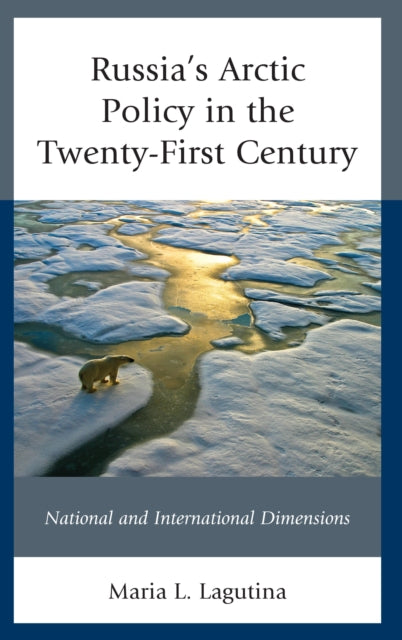
Maria L. Lagutina
Russia's Arctic Policy in the Twenty-First Century: National and International Dimensions
Russia's Arctic Policy in the Twenty-First Century: National and International Dimensions
💎 Earn 191 Points (£1.91) on this item.
We can order this item for you. Delivery usually takes about 4 to 6 weeks.
This item is not held in our immediate stock. We will order it for you after checkout.
Estimated delivery: About 4 to 6 weeks
- Condition: Brand new
- UK Delivery times: Usually arrives within 2 - 3 working days
- UK Shipping: Fee starts at £2.39. Subject to product weight & dimension
Bulk ordering. Want 15 or more copies? Get a personalised quote and bigger discounts. Learn more about bulk orders.
Couldn't load pickup availability
- More about Russia's Arctic Policy in the Twenty-First Century: National and International Dimensions
This book examines Russia's Arctic policy, including its strategic interests, governance, decision-making process, challenges, bilateral and multilateral relations, and future outlook in a changing global context. It argues that the Arctic is a priority for Russia's domestic and foreign policies and that the country's future is closely linked to its development.
\n Format: Paperback / softback
\n Length: 210 pages
\n Publication date: 02 July 2021
\n Publisher: Lexington Books
\n
This comprehensive monograph aims to compile a detailed study of the domestic and international aspects of modern Russian Arctic policy, primarily based on Russian sources, allowing the author to reveal the nuances of Russia's approach to contemporary Arctic issues. It raises a series of crucial research questions:
What are the primary interests of Russia in the modern Arctic?
What areas are the focal points of Russia's Arctic policy?
Who governs the Russian Arctic?
How are decisions on the Arctic made in Russia?
What kind of challenges does the Russian Arctic face in the global epoch?
How do bilateral and multilateral relations between Russia and other Arctic states impact regional developments in the Arctic?
How is Russia dealing with non-Arctic states and non-state Arctic actors?
How are Russia's domestic and foreign policies in the Arctic interrelated?
How is Russia's Arctic policy likely to evolve in the future, in a changing global context?
The book argues that in today's world, the Arctic vector is one of Russia's top priorities in both domestic and foreign policies, and undoubtedly, Russia's future is intertwined with the development of the Arctic, a region that occupies a significant portion of the country's territory. On the one hand, the primary objective of Russia's current Arctic policy is the 're-development and modernization of the Arctic region of the Russian Federation (AZRF) after the period following
following
following the breakup of the USSR that was detrimental to Russian Arctic policies. Moreover, today, the 're-development of the Arctic is the most important prerequisite for the rest of the Russian Arctic policies.
The Arctic region of the Russian Federation (AZRF) is one of the most important regions in the world, as it is rich in natural resources and has significant geopolitical and economic importance. The region is also becoming increasingly important due to the melting of the Arctic ice cap, which has opened up new shipping routes and access to oil and gas deposits.
Russia's Arctic policy is aimed at promoting the development of the region's economy, infrastructure, and human capital. The country's main priorities include:
Re-development and modernization of the Arctic region of the Russian Federation (AZRF)
Promoting sustainable development in the Arctic
Enhancing Russia's military presence in the Arctic
Promoting international cooperation in the Arctic
To achieve these goals, Russia has implemented a range of policies and initiatives, including:
Building new infrastructure in the Arctic, such as ports, airports, and highways
Investing in renewable energy sources, such as solar and wind power
Expanding Russia's military presence in the Arctic, including the deployment of new ships, aircraft, and helicopters
Promoting international cooperation in the Arctic, including through the Arctic Council
Cooperation Council and the Arctic Council of Ministers
Russia's Arctic policy is also aimed at addressing the challenges posed
The melting of the Arctic ice cap, which has led to a rise
Climate change, which has led to a range of environmental and social challenges, including the loss of habitat for indigenous peoples, rising sea levels, and increased greenhouse gas emissions
Resource competition, which has led to tensions between countries over access to resources and control of territory
Security challenges, which have led to concerns about the potential for conflict in the Arctic region
To address these challenges, Russia has implemented a range of policies and initiatives, including:
Promoting international cooperation in the Arctic, including through the Arctic Council
Building new infrastructure in the Arctic, such as ports, airports, and highways
Expanding Russia's military presence in the Arctic, including the deployment of new ships, aircraft, and helicopters
Promoting sustainable development in the Arctic, including through the adoption of renewable energy sources and the reduction of greenhouse gas emissions
In conclusion, this book provides a comprehensive analysis of the current Arctic policy of Russia, the main strategic interests of Russia, and the basics of the current Russian Policy in the region taking into account
account new global trends. It raises a set of important research questions and provides a detailed study of the domestic and international aspects of modern Russian Arctic policy, primarily based on Russian sources, allowing the author to reveal the nuances of Russia's approach to contemporary Arctic issues. The book argues that in today's world, the Arctic vector is one of Russia's top priorities in both domestic and foreign policies, and undoubtedly, Russia's future is intertwined with the development of the Arctic, a region that occupies a significant portion of the country's territory. On the one hand, the primary objective of Russia's current Arctic policy is the 're-development and modernization of the Arctic region of the Russian Federation (AZRF) after the period of following
following the breakup of the USSR that was detrimental to Russian Arctic policies. Moreover, today, the 're-development of the Arctic is the most important prerequisite for the rest of the Russian Arctic policies.
The Arctic region of the Russian Federation (AZRF) is one of the most important regions in the world, as it is rich in natural resources and has significant geopolitical and economic importance. The region is also becoming increasingly important due to the melting of the Arctic ice cap, which has opened up new shipping routes and access to oil and gas deposits.
Russia's Arctic policy is aimed at promoting the development of the region's economy, infrastructure, and human capital. The country's main priorities include:
Re-development and modernization of the Arctic region of the Russian Federation (AZRF)
Promoting sustainable development in the Arctic
Enhancing Russia's military presence in the Arctic
Promoting international cooperation in the Arctic
To achieve these goals, Russia has implemented a range of policies and initiatives, including:
Building new infrastructure in the Arctic, such as ports, airports, and highways
Investing in renewable energy sources, such as solar and wind power
Expanding Russia's military presence in the Arctic, including the deployment of new ships, aircraft, and helicopters
Promoting international cooperation in the Arctic, including through the Arctic
Cooperation Council and the Arctic Council of Ministers
Russia's Arctic policy is also aimed at addressing the challenges
The melting of the Arctic ice cap, which has led to a
Climate change, which has led to a range of environmental and social challenges, including the loss of habitat for indigenous peoples, rising sea levels, and increased greenhouse gas emissions
Resource competition, which has led to tensions between countries over access to resources and control of territory
Security challenges, which have led to concerns about the potential for conflict in the Arctic region
To address these challenges, Russia has implemented a range of policies and initiatives, including:
Promoting international cooperation in the Arctic, including through the Arctic Council
Building new infrastructure in the Arctic, such as ports, airports, and highways
Expanding Russia's military presence in the Arctic, including the deployment of new ships, aircraft, and helicopters
Promoting sustainable development in the Arctic, including through the adoption of renewable energy sources and the reduction of greenhouse gas emissions
In conclusion, this book provides a comprehensive analysis of the current Arctic policy of Russia, the main strategic interests of Russia, and the basics of the current Russian Policy in the region taking into
account new global trends. It raises a set of important research questions and provides a detailed study of the domestic and international aspects of modern Russian Arctic policy, primarily based on Russian sources, allowing the author to reveal the nuances of Russia's approach to contemporary Arctic issues. The book argues that in today's world, the Arctic vector is one of Russia's top priorities in both domestic and foreign policies, and undoubtedly, Russia's future is intertwined with the development of the Arctic, a region that occupies a significant portion of the country's territory. On the one hand, the primary objective of Russia's current Arctic policy is the 're-development and modernization of the Arctic region of the Russian Federation (AZRF) after the period of
following the breakup of the USSR that was detrimental to Russian Arctic policies. Moreover, today, the 're-development of the Arctic is the most important prerequisite for the rest of the Russian Arctic policies.
The Arctic region of the Russian Federation (AZRF) is one of the most important regions in the world, as it is rich in natural resources and has significant geopolitical and economic importance. The region is also becoming increasingly important due to the melting of the Arctic ice cap, which has opened up new shipping routes and access to oil and gas deposits.
Russia's Arctic policy is aimed at promoting the development of the region's economy, infrastructure, and human capital. The country's main priorities include:
Re-development and modernization of the Arctic region of the Russian Federation (AZRF)
Promoting sustainable development in the Arctic
Enhancing Russia's military presence in the Arctic
Promoting international cooperation in the Arctic
To achieve these goals, Russia has implemented a range of policies and initiatives, including:
Building new infrastructure in the Arctic, such as ports, airports, and highways
Investing in renewable energy sources, such as solar and wind power
Expanding Russia's military presence in the Arctic, including the deployment of new ships, aircraft, and helicopters
Promoting international cooperation in the Arctic, including through the Arctic
Cooperation Council and the Arctic Council of Ministers
Russia's Arctic policy is also aimed at addressing the challenges
The melting of the Arctic ice cap, which has led to a
Climate change, which has led to a range of environmental and social challenges, including the loss of habitat for indigenous peoples, rising sea levels, and increased greenhouse gas emissions
Resource competition, which has led to tensions between countries over access to resources and control of territory
Security challenges, which have led to concerns about the potential for conflict in the Arctic region
To address these challenges, Russia has implemented a range of policies and initiatives, including:
Promoting international cooperation in the Arctic, including through the Arctic Council
Building new infrastructure in the Arctic, such as ports, airports, and highways
Expanding Russia's military presence in the Arctic, including the deployment of new ships, aircraft, and helicopters
Promoting sustainable development in the Arctic, including through the adoption of renewable energy sources and the reduction of greenhouse gas emissions
In conclusion, this book provides a comprehensive analysis of the current Arctic policy of Russia, the main strategic interests of Russia, and the basics of the current Russian Policy in the region taking into
account new global trends. It raises a set of important research questions and provides a detailed study of the domestic and international aspects of modern Russian Arctic policy, primarily based on Russian sources, allowing the author to reveal the nuances of Russia's approach to contemporary Arctic issues. The book argues that in today's world, the Arctic vector is one of Russia's top priorities in both domestic and foreign policies, and undoubtedly, Russia's future is intertwined with the development of the Arctic, a region that occupies a significant portion of the country's territory. On the one hand, the primary objective of Russia's current Arctic policy is the 're-development and modernization of the Arctic region of the Russian Federation (AZRF) after the period of
following the breakup of the USSR that was detrimental to Russian Arctic policies. Moreover, today, the 're-development of the Arctic is the most important prerequisite for the rest of the Russian Arctic policies.
The Arctic region of the Russian Federation (AZRF) is one of the most important regions in the world, as it is rich in natural resources and has significant geopolitical and economic importance. The region is also becoming increasingly important due to the melting of the Arctic ice cap, which has opened up new shipping routes and access to oil and gas deposits.
Russia's Arctic policy is aimed at promoting the development of the region's economy, infrastructure, and human capital. The country's main priorities include:
Re-development and modernization of the Arctic region of the Russian Federation (AZRF)
Promoting sustainable development in the Arctic
Enhancing Russia's military presence in the Arctic
Promoting international cooperation in the Arctic
To achieve these goals, Russia has implemented a range of policies and initiatives, including:
Building new infrastructure in the Arctic, such as ports, airports, and highways
Investing in renewable energy sources, such as solar and wind power
Expanding Russia's military presence in the Arctic, including the deployment of new ships, aircraft, and helicopters
Promoting international cooperation in the Arctic, including through the Arctic
Cooperation Council and the Arctic Council of Ministers
Russia's Arctic policy is also aimed at addressing the challenges
The melting of the Arctic ice cap, which has led to a
Climate change, which has led to a range of environmental and social challenges, including the loss of habitat for indigenous peoples, rising sea levels, and increased greenhouse gas emissions
Resource competition, which has led to tensions between countries over access to resources and control of territory
Security challenges, which have led to concerns about the potential for conflict in the Arctic region
To address these challenges, Russia has implemented a range of policies and initiatives, including:
Promoting international cooperation in the Arctic, including through the Arctic Council
Building new infrastructure in the Arctic, such as ports, airports, and highways
Expanding Russia's military presence in the Arctic, including the deployment of new ships, aircraft, and helicopters
Promoting sustainable development in the Arctic, including through the adoption of renewable energy sources and the reduction of greenhouse gas emissions
In conclusion, this book provides a comprehensive analysis of the current Arctic policy of Russia, the main strategic interests of Russia, and the basics of the current Russian Policy in the region taking into
account new global trends. It raises a set of important research questions and provides a detailed study of the domestic and international aspects of modern Russian Arctic policy, primarily based on Russian sources, allowing the author to reveal the nuances of Russia's approach to contemporary Arctic issues. The book argues that in today's world, the Arctic vector is one of Russia's top priorities in both domestic and foreign policies, and undoubtedly, Russia's future is intertwined with the development of the Arctic, a region that occupies a significant portion of the country's territory. On the one hand, the primary objective of Russia's current Arctic policy is the 're-development and modernization of the Arctic region of the Russian Federation (AZRF) after the period of
following the breakup of the USSR that was detrimental to Russian Arctic policies. Moreover, today, the 're-development of the Arctic is the most important prerequisite for the rest of the Russian Arctic policies.
The Arctic region of the Russian Federation (AZRF) is one of the most important regions in the world, as it is rich in natural resources and has significant geopolitical and economic importance. The region is also becoming increasingly important due to the melting of the Arctic ice cap, which has opened up new shipping routes and access to oil and gas deposits.
Russia's Arctic policy is aimed at promoting the development of the region's economy, infrastructure, and human capital. The country's main priorities include:
Re-development and modernization of the Arctic region of the Russian Federation (AZRF)
Promoting sustainable development in the Arctic
Enhancing Russia's military presence in the Arctic
Promoting international cooperation in the Arctic
To achieve these goals, Russia has implemented a range of policies and initiatives, including:
Building new infrastructure in the Arctic, such as ports, airports, and highways
Investing in renewable energy sources, such as solar and wind power
Expanding Russia's military presence in the Arctic, including the deployment of new ships, aircraft, and helicopters
Promoting international cooperation in the Arctic, including through the Arctic
Cooperation Council and the Arctic Council of Ministers
Russia's Arctic policy is also aimed at addressing the challenges
The melting of the Arctic ice cap, which has led to a
Climate change, which has led to a range of environmental and social challenges, including the loss of habitat for indigenous peoples, rising sea levels, and increased greenhouse gas emissions
Resource competition, which has led to tensions between countries over access to resources and control of territory
Security challenges, which have led to concerns about the potential for conflict in the Arctic region
To address these challenges, Russia has implemented a range of policies and initiatives, including:
Promoting international cooperation in the Arctic, including through the Arctic Council
Building new infrastructure in the Arctic, such as ports, airports, and highways
Expanding Russia's military presence in the Arctic, including the deployment of new ships, aircraft, and helicopters
Promoting sustainable development in the Arctic, including through the adoption of renewable energy sources and the reduction of greenhouse gas emissions
In conclusion, this book provides a comprehensive analysis of the current Arctic policy of Russia, the main strategic interests of Russia, and the basics of the current Russian Policy in the region taking into
account new global trends. It raises a set of important research questions and provides a detailed study of the domestic and international aspects of modern Russian Arctic policy, primarily based on Russian sources, allowing the author to reveal the nuances of Russia's approach to contemporary Arctic issues. The book argues that in today's world, the Arctic vector is one of Russia's top priorities in both domestic and foreign policies, and undoubtedly, Russia's future is intertwined with the development of the Arctic, a region that occupies a significant portion of the country's territory. On the one hand, the primary objective of Russia's current Arctic policy is the 're-development and modernization of the Arctic region of the Russian Federation (AZRF) after the period of
following the breakup of the USSR that was detrimental to Russian Arctic policies. Moreover, today, the 're-development of the Arctic is the most important prerequisite for the rest of the Russian Arctic policies.
\n Weight: 326g\n
Dimension: 150 x 228 x 17 (mm)\n
ISBN-13: 9781498551595\n \n
This item can be found in:
UK and International shipping information
UK and International shipping information
UK Delivery and returns information:
- Delivery within 2 - 3 days when ordering in the UK.
- Shipping fee for UK customers from £2.39. Fully tracked shipping service available.
- Returns policy: Return within 30 days of receipt for full refund.
International deliveries:
Shulph Ink now ships to Australia, Belgium, Canada, France, Germany, Ireland, Italy, India, Luxembourg Saudi Arabia, Singapore, Spain, Netherlands, New Zealand, United Arab Emirates, United States of America.
- Delivery times: within 5 - 10 days for international orders.
- Shipping fee: charges vary for overseas orders. Only tracked services are available for most international orders. Some countries have untracked shipping options.
- Customs charges: If ordering to addresses outside the United Kingdom, you may or may not incur additional customs and duties fees during local delivery.