Shulph Ink
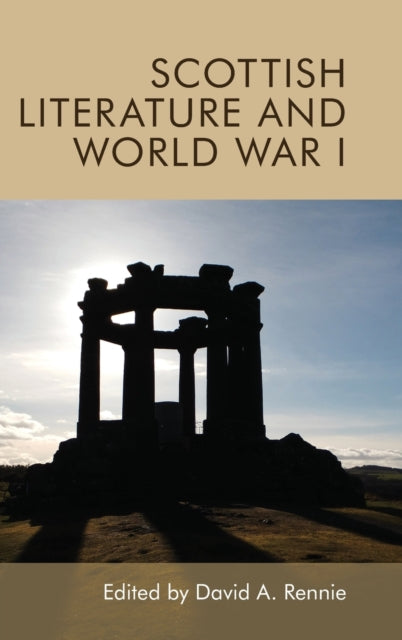
Scottish Literature and World War I
Scottish Literature and World War I
YOU SAVE £25.90
- Condition: Brand new
- UK Delivery times: Usually arrives within 2 - 3 working days
- UK Shipping: Fee starts at £3.89. Subject to product weight & dimension
Bulk ordering. Want 15 or more copies? Get a personalised quote and bigger discounts. Learn more about bulk orders.
Couldn't load pickup availability
- More about Scottish Literature and World War I
The book explores the connections between Scottish writing and World War I, using an innovative methodological approach to Scottish World War I writing. It argues that the war's effect on Scotland and Scottish letters was more multifaceted and far-reaching than prior assessments have allowed for, and addresses work by some of Scotland's most popular and influential writers.
Format: Hardback
Length: 192 pages
Publication date: 30 November 2020
Publisher: Edinburgh University Press
Scottish writing and World War I have a rich and complex relationship that has been explored in numerous studies. One innovative methodological approach to Scottish World War I writing is presented in this book, which contends that the war's effect on Scotland and Scottish letters was more multifaceted and far-reaching than prior assessments have allowed for. The book highlights the variety of literary, social, political, and philosophical reverberations of the war in Scotland writing, including multi-text case studies of areas such as Scottish Great War prose, popular literature, women's letters to the editor, Gaelic writing, and philosophy. Part one of the collection presents multi-text case studies of areas such as Scottish Great War prose, popular literature, women's letters to the editor, Gaelic writing, and philosophy. Part two contains essays devoted to individual authors, including canonical figures Lewis Grassic Gibbon, Nan Shepherd, Neil Gunn, and John Buchan, as well as peripheral authors such as A. C. Mackinlay, Charles Murray, and Ewart Alan Mackintosh.
One of the key themes of the book is the impact of the war on Scottish identity. The war brought about significant changes in Scottish society, including the loss of life, the displacement of people, and the destruction of infrastructure. These changes had a profound effect on Scottish writers, who were forced to confront the realities of war and its aftermath. Many writers used their writing to express their feelings about the war, and to explore the themes of loss, trauma, and resilience.
Lewis Grassic Gibbon is one of the most famous Scottish writers of the twentieth century. His novel "Sunset Song" is a classic of Scottish literature, and it deals with the experiences of a young woman living in a rural community during the First World War. Gibbon's writing is characterized by its vivid descriptions of the landscape, its characters, and its themes. He was a master of the short story, and his stories often dealt with the themes of love, loss, and the struggle for survival.
John Buchan is another important Scottish writer of the twentieth century. His novel "The Thirty-Nine Steps" is a classic of espionage fiction, and it has been adapted into numerous films and television shows. Buchan's writing is characterized by its fast-paced action, its suspense, and its sense of adventure. He was a master of the thriller, and his stories often dealt with the themes of espionage, espionage, and the struggle for power.
Nan Shepherd is a lesser-known Scottish writer, but her work is equally important. Her novel "The Weather in the Streets" is a haunting and atmospheric novel that deals with the experiences of a young woman living in a small town during the Second World War. Shepherd's writing is characterized by its lyrical prose, its vivid descriptions of the landscape, and its themes of loss, trauma, and resilience.
Neil Gunn is a Scottish writer who is best known for his poetry. His poetry is characterized by its vivid imagery, its emotional depth, and its themes of love, loss, and the struggle for survival. Gunn's poetry often deals with the themes of war, and his work has been praised for its ability to capture the essence of the war experience.
Charles Hamilton Sorley is a Scottish poet who is best known for his war poetry. His poetry is characterized by its vivid imagery, its emotional depth, and its themes of loss, trauma, and resilience. Sorley's poetry often deals with the themes of war, and his work has been praised for its ability to capture the essence of the war experience.
Hugh MacDiarmid is a Scottish poet who is best known for his political poetry. His poetry is characterized by its political commentary, its social critique, and its themes of freedom, justice, and equality. MacDiarmid's poetry often deals with the themes of war, and his work has been praised for its ability to capture the essence of the war experience.
In addition to these canonical figures, the book also contains essays devoted to peripheral authors such as A. C. Mackinlay, Charles Murray, and Ewart Alan Mackintosh. Mackinlay's novel "The Man Who Was Thursday" is a classic of detective fiction, and it has been adapted into numerous films and television shows. Murray's novel "The Wind in the Willows" is a classic of children's literature, and it has been adapted into numerous films and television shows. Mackintosh's novel "The House of the Four Winds" is a classic of historical fiction, and it has been adapted into numerous films and television shows.
One of the key strengths of the book is its innovative methodological approach to Scottish World War I writing. The book uses a range of sources, including primary sources such as letters, diaries, and memoirs, as well as secondary sources such as academic books, articles, and reviews. This approach allows the book to provide a comprehensive and nuanced understanding of the war's impact on Scottish writing.
Another strength of the book is its ability to address the multifaceted and far-reaching effects of the war on Scottish society. The war brought about significant changes in Scottish society, including the loss of life, the displacement of people, and the destruction of infrastructure. These changes had a profound effect on Scottish writers, who were forced to confront the realities of war and its aftermath. Many writers used their writing to express their feelings about the war, and to explore the themes of loss, trauma, and resilience.
However, the book also has some limitations. One of the limitations is that it does not cover all of the literary, social, political, and philosophical reverberations of the war in Scotland writing. There are many other writers who have written about the war, and their work has not been included in the book. This limitation is a result of the book's focus on a specific period of Scottish history, and the fact that there are many other writers who have written about the war.
Another limitation of the book is that it can be difficult to read. The book is written in a scholarly style, and it can be difficult for readers who are not familiar with the academic literature to understand. This limitation is a result of the book's focus on a specific period of Scottish history, and the fact that there are many other writers who have written about the war.
Despite these limitations, the book is a valuable contribution to the field of Scottish literature. It provides a comprehensive and nuanced understanding of the war's impact on Scottish writing, and it addresses the multifaceted and far-reaching effects of the war on Scottish society. The book is recommended for anyone who is interested in Scottish literature, or in the history of World War I.
In conclusion, Scottish writing and World War I have a rich and complex relationship that has been explored in numerous studies. This book presents an innovative methodological approach to Scottish World War I writing, which contends that the war's effect on Scotland and Scottish letters was more multifaceted and far-reaching than prior assessments have allowed for. The book highlights the variety of literary, social, political, and philosophical reverberations of the war in Scotland writing, and it contains essays devoted to individual authors, including canonical figures Lewis Grassic Gibbon, Nan Shepherd, Neil Gunn, and John Buchan, as well as peripheral authors such as A. C. Mackinlay, Charles Murray, and Ewart Alan Mackintosh. Despite some limitations, the book is a valuable contribution to the field of Scottish literature, and it is recommended for anyone who is interested in Scottish literature, or in the history of World War I.
Weight: 614g
Dimension: 163 x 240 x 27 (mm)
ISBN-13: 9781474454599
UK and International shipping information
UK and International shipping information
We deliver throughout the United Kingdom and to 128 countries and territories worldwide, including the United States, Australia, Canada, Germany, Spain and France.