Jurij Meden
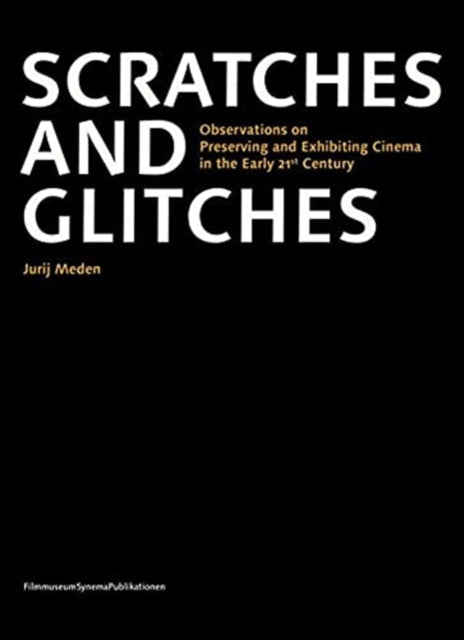
Scratches and Glitches - Observations on Preserving and Exhibiting Cinema in the Early 21st Century
Scratches and Glitches - Observations on Preserving and Exhibiting Cinema in the Early 21st Century
💎 Earn 52 Points (£0.52) on this item.
YOU SAVE £2.57
- Condition: Brand new
- UK Delivery times: Usually arrives within 2 - 3 working days
- UK Shipping: Fee starts at £2.39. Subject to product weight & dimension
Bulk ordering. Want 15 or more copies? Get a personalised quote and bigger discounts. Learn more about bulk orders.
Couldn't load pickup availability
- More about Scratches and Glitches - Observations on Preserving and Exhibiting Cinema in the Early 21st Century
In the first two decades of the 21st century, film preservation and exhibition have undergone a significant shift, with a predominant move to digital affairs. Curatorship principles clashed with access, and streaming has become the dominant way of experiencing moving images. Scratches and Glitches is a collection of essays that explores these changes in the context of cultural history, focusing on the responsibility of film archives and museums.
Format: Paperback / softback
Length: 112 pages
Publication date: 28 May 2021
Publisher: Synema Gesellschaft Fur Film u. Medien
In the early 21st century, a rapid transformation has occurred within the realm of preserving and showcasing film heritage. The film industry, from production to exhibition, restoration, and reflection, has undergone a significant shift towards digital practices. Traditional professional profiles have become outdated, giving rise to new roles and responsibilities. Meanwhile, other forms of art and entertainment have taken center stage in the collective dreams and discussions of society. The principles of curatorship have clashed with the notion of accessibility, as streaming has become the dominant mode of experiencing moving images, surpassing traditional public spaces as the primary venues for such experiences.
Scratches and Glitches, a collection of essays, aims to provide insight into these ongoing changes within the broader context of cultural history. It specifically focuses on the responsibility of film archives and museums, the guardians of film heritage, as they navigate this evolving landscape.
The shift towards digital practices has had a profound impact on the preservation and accessibility of film heritage. On the one hand, digital technologies offer the potential for enhanced preservation and conservation, as digital files can be stored and accessed more reliably than physical media. Additionally, digital restoration techniques allow for the restoration of damaged or deteriorated films, ensuring their preservation for future generations.
However, the digital transformation has also brought challenges. The reliance on digital formats raises concerns about the long-term viability of film heritage, as digital files can be easily corrupted or lost. Moreover, the shift towards streaming has led to a concentration of power in the hands of a few large technology companies, which may impact the diversity and accessibility of film content.
In response to these challenges, film archives and museums have taken steps to adapt and evolve. They have invested in digital preservation technologies, developed strategies for archiving and sharing film content, and collaborated with other institutions and stakeholders to promote the value and importance of film heritage.
One of the key responsibilities of film archives and museums is to preserve the diversity of film heritage. This includes preserving films from different genres, cultures, and periods, as well as films that may be considered marginalized or underrepresented. By collecting and preserving a wide range of films, archives and museums can provide a comprehensive understanding of the history of film and its impact on society.
Another responsibility is to promote accessibility to film heritage. This includes making films available to a wide audience, through physical and digital formats, and providing access to educational resources and programming that enhance the appreciation and understanding of film. Archives and museums can also collaborate with community organizations and schools to provide opportunities for film education and engagement.
In addition to their preservation and accessibility responsibilities, film archives and museums play a crucial role in promoting cultural heritage and identity. Films are a powerful medium for expressing cultural values, traditions, and experiences, and archives and museums can help to preserve and promote these cultural assets. By providing access to films from different cultures and periods, archives and museums can help to foster cultural understanding and appreciation.
Furthermore, film archives and museums can contribute to the development of new forms of artistic expression and innovation. By exploring the potential of digital technologies and new modes of exhibition, archives and museums can inspire artists and filmmakers to push the boundaries of their craft and create new works that reflect the changing landscape of film heritage.
In conclusion, the rapid transformation of the film industry in the early 21st century has had a profound impact on the realm of preserving and showcasing film heritage. While digital technologies offer significant benefits in terms of preservation and accessibility, they also present challenges that require careful consideration and adaptation. Film archives and museums play a crucial role in navigating these changes, ensuring that film heritage is preserved, accessible, and promoted for future generations. By preserving the diversity of film heritage, promoting accessibility, and contributing to cultural heritage and identity, archives and museums can play a vital role in shaping the future of film and its impact on society.
Weight: 218g
Dimension: 165 x 225 x 10 (mm)
ISBN-13: 9783901644870
This item can be found in:
UK and International shipping information
UK and International shipping information
UK Delivery and returns information:
- Delivery within 2 - 3 days when ordering in the UK.
- Shipping fee for UK customers from £2.39. Fully tracked shipping service available.
- Returns policy: Return within 30 days of receipt for full refund.
International deliveries:
Shulph Ink now ships to Australia, Belgium, Canada, France, Germany, Ireland, Italy, India, Luxembourg Saudi Arabia, Singapore, Spain, Netherlands, New Zealand, United Arab Emirates, United States of America.
- Delivery times: within 5 - 10 days for international orders.
- Shipping fee: charges vary for overseas orders. Only tracked services are available for most international orders. Some countries have untracked shipping options.
- Customs charges: If ordering to addresses outside the United Kingdom, you may or may not incur additional customs and duties fees during local delivery.