Shulph Ink
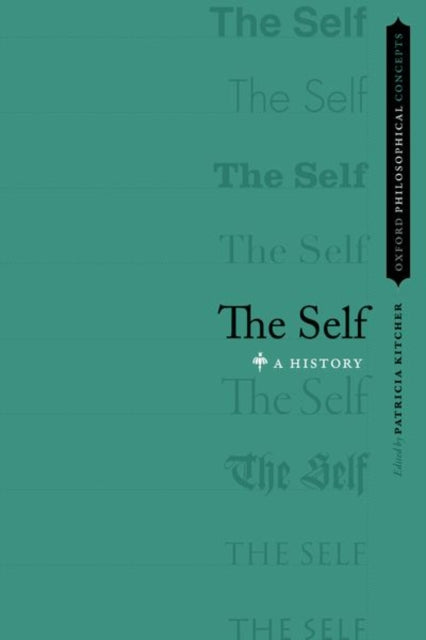
Self: A History
Self: A History
💎 Earn 150 Points (£1.50) on this item.
We can order this item for you. Delivery usually takes about 4 to 6 weeks.
This item is not held in our immediate stock. We will order it for you after checkout.
Estimated delivery: About 4 to 6 weeks
- Condition: Brand new
- UK Delivery times: Usually arrives within 2 - 3 working days
- UK Shipping: Fee starts at £2.39. Subject to product weight & dimension
Bulk ordering. Want 15 or more copies? Get a personalised quote and bigger discounts. Learn more about bulk orders.
Couldn't load pickup availability
- More about Self: A History
The Self: A History explores the concept of an I or a self in Western Philosophy and offers a contrast case of the interconnected self in African Philosophy. It engages various philosophical resources to shed light on the puzzles surrounding the I, such as metaphysics, epistemology, phenomenology, psychology, and language.
\n Format: Paperback / softback
\n Length: 424 pages
\n Publication date: 08 November 2021
\n Publisher: Oxford University Press Inc
\n
The Self: A History delves into the intricate development and multifaceted deployment of the concept of an "I" or a "self" throughout the history of Western Philosophy. It presents a captivating contrast case, the interconnected "self," which emerges in certain expressions of African Philosophy. The "I" or self presents a complex tapestry of paradoxes, as it encompasses both the individual and the collective, while simultaneously evading precise definition. Despite our apparent self-awareness, defining what a self truly is proves to be a challenging task. While we may possess human bodies, we do not refer to ourselves solely through them; rather, our self-identity is elusive and multifaceted. We may observe our physical actions, such as raising our hands or engaging in deep thought, but we are not directly conscious of these actions through our physical selves. Instead, we rely on external cues, such as visual reflections in a mirror, to gain insight into our internal states.
The essays collected in this volume employ a diverse range of philosophical resources, including metaphysics, epistemology, phenomenology, philosophy of psychology, and philosophy of language, to explore and unravel these perplexing puzzles. By engaging with these diverse perspectives, the authors aim to shed light on the nature of the "I" or self and provide valuable insights into its enigmatic nature.
The exploration of the "I" or self in Western Philosophy has a rich and complex history, dating back to ancient times. Philosophers such as Plato and Aristotle grappled with the concept of the self, seeking to understand its essence and its relationship to the world around it. In the Middle Ages, theologians and philosophers such as St. Thomas Aquinas and Duns Scotus further developed the concept of the self, incorporating it into their theological and philosophical frameworks.
During the Renaissance and Enlightenment periods, the concept of the self gained renewed attention and scrutiny. Philosophers such as René Descartes, John Locke, and Immanuel Kant developed distinct theories of the self, each emphasizing different aspects of its nature. Descartes, for example, famously proposed the "cogito ergo sum" argument, which asserts that the self is the consciousness of being that exists solely in the mind. Locke, on the other hand, argued that the self is a composite of the mind, body, and memory, each of which contributes to its identity. Kant, in his influential work "The Critique of Pure Reason," proposed that the self is the product of a combination of reason and experience, with the mind providing the framework for understanding and the body providing the material for experience.
In the 20th century, the concept of the self continued to evolve and expand. Philosophers such as Sigmund Freud, Jean-Paul Sartre, and Ludwig Wittgenstein explored the psychological and social aspects of the self, challenging traditional notions of self-identity and agency. Freud, for example, developed the theory of the unconscious mind, which suggests that much of our behavior and thoughts are beyond our conscious control. Sartre, in his existentialist philosophy, emphasized the freedom and responsibility of the individual to create their own meaning and purpose in life. Wittgenstein, in his later work, explored the nature of language and the ways in which it shapes our understanding of the world around us.
The interconnected "self," which emerges in certain expressions of African Philosophy, presents a distinct perspective on the concept of the self. African philosophers often emphasize the interconnectedness of all things and the interdependence of individuals and communities. They argue that the self is not a separate entity but rather a part of a larger whole, and that individuals must recognize and honor their connections to others and the natural world.
One notable example of the interconnected "self" in African Philosophy is the concept of Ubuntu, which is commonly translated as "I am because we are." Ubuntu emphasizes the importance of community and interconnectedness, and it emphasizes the need for individuals to recognize and honor their connections to others and the natural world. Ubuntu is often expressed through social and ethical practices, such as respect for elders, hospitality, and care for the environment.
In conclusion, The Self: A History explores the multifaceted development and deployment of the concept of an "I" or a "self" throughout the history of Western Philosophy. It presents a captivating contrast case, the interconnected "self," which emerges in certain expressions of African Philosophy. The "I" or self presents a complex tapestry of paradoxes, as it encompasses both the individual and the collective, while simultaneously evading precise definition. The essays in this volume engage a diverse range of philosophical resources to shed needed light on these puzzles and provide valuable insights into the nature of the "I" or self. The exploration of the "I" or self in Western Philosophy has a rich and complex history, dating back to ancient times. Philosophers such as Plato and Aristotle grappled with the concept of the self, seeking to understand its essence. In the Middle Ages, theologians and philosophers such as St. Thomas Aquinas and Duns Scotus further developed the concept of the self, incorporating it into their theological and philosophical frameworks. During the Renaissance and Enlightenment periods, the concept of the self gained renewed attention and scrutiny. Philosophers such as René Descartes, John Locke, and Immanuel Kant developed distinct theories of the self, each emphasizing different aspects of its nature. Descartes, for example, famously proposed the "cogito ergo sum" argument, which asserts that the self is the consciousness of being that exists solely in the mind. Locke, on the other hand, argued that the self is a composite of the mind, body, and memory, each of which contributes to its identity. Kant, in his influential work "The Critique of Pure Reason," proposed that the self is the product of a combination of reason and experience, with the mind providing the framework for understanding and the body providing the material for experience. In the 20th century, the concept of the self continued to evolve and expand. Philosophers such as Sigmund Freud, Jean-Paul Sartre, and Ludwig Wittgenstein explored the psychological and social aspects of the self, challenging traditional notions of self-identity and agency. Freud, for example, developed the theory of the unconscious mind, which suggests that much of our behavior and thoughts are beyond our conscious control. Sartre, in his existentialist philosophy, emphasized the freedom and responsibility of the individual to create their own meaning and purpose in life. Wittgenstein, in his later work, explored the nature of language and the ways in which it shapes our understanding of the world around us. The interconnected "self," which emerges in certain expressions of African Philosophy, presents a distinct perspective on the concept of the self. African philosophers often emphasize the interconnectedness of all things and the interdependence of individuals and communities. They argue that the self is not a separate entity but rather a part of a larger whole, and that individuals must recognize and honor their connections to others and the natural world. One notable example of the interconnected "self" in African Philosophy is the concept of Ubuntu, which is commonly translated as "I am because we are." Ubuntu emphasizes the importance of community and interconnectedness, and it emphasizes the need for individuals to recognize and honor their connections to others and the natural world. Ubuntu is often expressed through social and ethical practices, such as respect for elders, hospitality, and care for the environment.
\n Weight: 470g\n
Dimension: 140 x 209 x 30 (mm)\n
ISBN-13: 9780190087258\n \n
This item can be found in:
UK and International shipping information
UK and International shipping information
UK Delivery and returns information:
- Delivery within 2 - 3 days when ordering in the UK.
- Shipping fee for UK customers from £2.39. Fully tracked shipping service available.
- Returns policy: Return within 30 days of receipt for full refund.
International deliveries:
Shulph Ink now ships to Australia, Belgium, Canada, France, Germany, Ireland, Italy, India, Luxembourg Saudi Arabia, Singapore, Spain, Netherlands, New Zealand, United Arab Emirates, United States of America.
- Delivery times: within 5 - 10 days for international orders.
- Shipping fee: charges vary for overseas orders. Only tracked services are available for most international orders. Some countries have untracked shipping options.
- Customs charges: If ordering to addresses outside the United Kingdom, you may or may not incur additional customs and duties fees during local delivery.