Shulph Ink
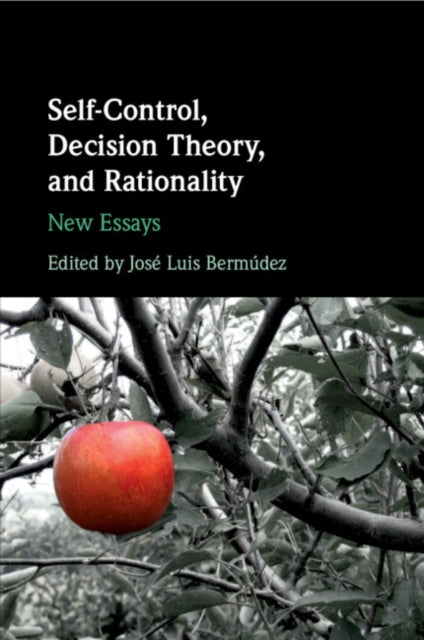
Self-Control, Decision Theory, and Rationality: New Essays
Self-Control, Decision Theory, and Rationality: New Essays
💎 Earn 160 Points (£1.60) on this item.
YOU SAVE £1.90
- Condition: Brand new
- UK Delivery times: Usually arrives within 2 - 3 working days
- UK Shipping: Fee starts at £2.39. Subject to product weight & dimension
Bulk ordering. Want 15 or more copies? Get a personalised quote and bigger discounts. Learn more about bulk orders.
Couldn't load pickup availability
- More about Self-Control, Decision Theory, and Rationality: New Essays
Thinking about self-control takes us to the heart of practical decision-making, human agency, motivation, and rational choice. Psychologists, philosophers, and decision theorists have brought valuable insights and perspectives on how to model self-control, on different mechanisms for achieving and strengthening self-control, and on how self-control fits into the overall cognitive and affective economy.
\n Format: Paperback / softback
\n Length: 280 pages
\n Publication date: 08 April 2021
\n Publisher: Cambridge University Press
\n
Thinking about self-control takes us to the heart of practical decision-making, human agency, motivation, and rational choice. Psychologists, philosophers, and decision theorists have all brought valuable insights and perspectives on how to model self-control, on different mechanisms for achieving and strengthening self-control, and on how self-control fits into the overall cognitive and affective economy. Yet these different literatures have remained relatively insulated from each other.
Self-Control, Decision Theory, and Rationality brings them into dialog by focusing on the theme of rationality. It contains eleven newly written essays by a distinguished group of philosophers, psychologists, and decision theorists, together with a substantial introduction, collectively offering state-of-the-art perspectives on the rationality of self-control and the different mechanisms for achieving it.
Self-control is a fundamental aspect of human behavior that involves the ability to regulate our thoughts, emotions, and actions in response to internal and external stimuli. It plays a crucial role in shaping our lives and determining our success and well-being. Psychologists have studied self-control extensively, exploring different mechanisms such as cognitive control, volitional control, and emotional regulation. They have identified different strategies that individuals can use to improve their self-control, such as mindfulness, self-monitoring, and goal setting.
Philosophers have also contributed to our understanding of self-control by exploring the concept of rationality. They have questioned whether self-control is a matter of innate ability or whether it can be developed through practice and learning. Philosophers have also explored the ethical implications of self-control, such as whether it is always desirable or whether there are times when it may be morally wrong to exercise self-control.
Decision theorists have also played a significant role in understanding self-control. They have developed models that explain how individuals make decisions and how self-control can influence these decisions. Decision theorists have identified different factors that can influence decision-making, such as motivation, information processing, and cognitive biases. They have also developed strategies for improving decision-making, such as decision-making training and the use of decision-making tools.
Despite the valuable insights and perspectives offered by these different literatures, they have remained relatively insulated from each other. Self-Control, Decision Theory, and Rationality seeks to bridge this gap by bringing together philosophers, psychologists, and decision theorists to explore the rationality of self-control and the different mechanisms for achieving it. The book contains eleven newly written essays by a distinguished group of scholars, each offering a unique perspective on the topic.
The introduction provides a comprehensive overview of the literature on self-control and rationality, highlighting the key themes and issues that are discussed in the essays. It also provides an introduction to the different mechanisms for achieving self-control, such as cognitive control, volitional control, and emotional regulation.
The first essay in the book, titled "The Rationality of Self-Control," by Jonathan Dancy, explores the concept of rationality and its implications for self-control. Dancy argues that self-control is a form of rationality that involves making choices that are consistent with our values and goals. He also discusses the different mechanisms that can be used to improve self-control, such as mindfulness, self-monitoring, and goal setting.
The second essay, titled "The Nature of Self-Control," by Daniel Miller, explores the nature of self-control and its relationship to other cognitive processes. Miller argues that self-control is a form of cognitive control that involves the regulation of attention and the suppression of impulsive behavior. He also discusses the different strategies that individuals can use to improve their self-control, such as cognitive reappraisal and self-regulation.
The third essay, titled "The Ethics of Self-Control," by Jennifer Lackey, explores the ethical implications of self-control. Lackey argues that self-control is a form of moral virtue that involves making choices that are consistent with our values and goals. She also discusses the different ethical dilemmas that can arise when individuals exercise self-control, such as the trade-off between self-interest and the interests of others.
The fourth essay, titled "The Role of Motivation in Self-Control," by Paul Slovic, explores the role of motivation in self-control. Slovic argues that motivation is a key factor in self-control and that individuals can use different strategies to increase their motivation, such as setting goals and creating incentives. He also discusses the different types of motivation that can influence self-control, such as intrinsic motivation and extrinsic motivation.
The fifth essay, titled "The Role of Information Processing in Self-Control," by Richard Shiffrin, explores the role of information processing in self-control. Shiffrin argues that self-control involves the regulation of attention and the suppression of impulsive behavior and that different types of information can influence these processes. He also discusses the different strategies that individuals can use to improve their information processing, such as attentional control and cognitive reappraisal.
The sixth essay, titled "The Role of Cognitive Bias in Self-Control," by Daniel Kahneman, explores the role of cognitive bias in self-control. Kahneman argues that cognitive bias can influence our decision-making and that individuals can use different strategies to overcome these biases, such as mindfulness and cognitive reappraisal. He also discusses the different types of cognitive biases that can influence self-control, such as confirmation bias and overconfidence bias.
The seventh essay, titled "The Role of Emotional Regulation in Self-Control," by Ellen Langer, explores the role of emotional regulation in self-control. Langer argues that emotional regulation is a key factor in self-control and that individuals can use different strategies to regulate their emotions, such as mindfulness and cognitive reappraisal. She also discusses the different types of emotional regulation that can influence self-control, such as emotional suppression and emotional expression.
The eighth essay, titled "The Role of Social Support in Self-Control," by Roy Baumeister, explores the role of social support in self-control. Baumeister argues that social support is a key factor in self-control and that individuals can use different strategies to increase their social support, such as seeking out social connections and building positive relationships. He also discusses the different types of social support that can influence self-control, such as emotional support and instrumental support.
The ninth essay, titled "The Role of Self-Regulation in Self-Control," by Heatherton Thomas, explores the role of self-regulation in self-control. Thomas argues that self-regulation is a key factor in self-control and that individuals can use different strategies to improve their self-regulation, such as self-monitoring and self-regulation training. He also discusses the different types of self-regulation that can influence self-control, such as cognitive self-regulation and emotional self-regulation.
The tenth essay, titled "The Role of Technology in Self-Control," by Adam Phillips, explores the role of technology in self-control. Phillips argues that technology can both facilitate and hinder self-control and that individuals can use different strategies to manage their use of technology, such as time management and self-regulation training. He also discusses the different types of technology that can influence self-control, such as social media and gaming.
The eleventh essay, titled "The Future of Self-Control Research," by Mark Griffiths, explores the future of self-control research. Griffiths argues that self-control research is a rapidly evolving field and that there are many exciting opportunities for future research. He also discusses the different challenges that researchers face in studying self-control, such as the difficulty of measuring self-control and the complexity of the human mind.
In conclusion, Self-Control, Decision Theory, and Rationality is a valuable resource for anyone interested in understanding the rationality of self-control and the different mechanisms for achieving it. The book contains eleven newly written essays by a distinguished group of scholars, each offering a unique perspective on the topic
Self-Control, Decision Theory, and Rationality is a valuable resource for anyone interested in understanding the rationality of self-control and the different mechanisms for achieving it. The book contains eleven newly written essays by a distinguished group of scholars, each offering a unique perspective on the topic. The introduction provides a comprehensive overview of the literature on self-control and rationality, highlighting the key themes and issues that are discussed in the essays. It also provides an introduction to the different mechanisms for achieving self-control, such as cognitive control, volitional control, and emotional regulation.
The first essay in the book, titled "The Rationality of Self-Control," by Jonathan Dancy, explores the concept of rationality and its implications for self-control. Dancy argues that self-control is a form of rationality that involves making choices that are consistent with our values and goals. He also discusses the different mechanisms that can be used to improve self-control, such as mindfulness, self-monitoring, and goal setting.
The second essay, titled "The Nature of Self-Control," by Daniel Miller, explores the nature of self-control and its relationship to other cognitive processes. Miller argues that self-control is a form of cognitive control that involves the regulation of attention and the suppression of impulsive behavior. He also discusses the different strategies that individuals can use to improve their self-control, such as cognitive reappraisal and self-regulation.
The third essay, titled "The Ethics of Self-Control," by Jennifer Lackey, explores the ethical implications of self-control. Lackey argues that self-control is a form of moral virtue that involves making choices that are consistent with our values and goals. She also discusses the different ethical dilemmas that can arise when individuals exercise self-control, such as the trade-off between self-interest and the interests of others.
The fourth essay, titled "The Role of Motivation in Self-Control," by Paul Slovic, explores the role of motivation in self-control. Slovic argues that motivation is a key factor in self-control and that individuals can use different strategies to increase their motivation, such as setting goals and creating incentives. He also discusses the different types of motivation that can influence self-control, such as intrinsic motivation and extrinsic motivation.
The fifth essay, titled "The Role of Information Processing in Self-Control," by Richard Shiffrin, explores the role of information processing in self-control. Shiffrin argues that self-control involves the regulation of attention and the suppression of impulsive behavior and that different types of information can influence these processes. He also discusses the different strategies that individuals can use to improve their information processing, such as attentional control and cognitive reappraisal.
The sixth essay, titled "The Role of Cognitive Bias in Self-Control," by Daniel Kahneman, explores the role of cognitive bias in self-control. Kahneman argues that cognitive bias can influence our decision-making and that individuals can use different strategies to overcome these biases, such as mindfulness and cognitive reappraisal. He also discusses the different types of cognitive biases that can influence self-control, such as confirmation bias and overconfidence bias.
The seventh essay, titled "The Role of Emotional Regulation in Self-Control," by Ellen Langer, explores the role of emotional regulation in self-control. Langer argues that emotional regulation is a key factor in self-control and that individuals can use different strategies to regulate their emotions, such as mindfulness and cognitive reappraisal. She also discusses the different types of emotional regulation that can influence self-control, such as emotional suppression and emotional expression.
The eighth essay, titled "The Role of Social Support in Self-Control," by Roy Baumeister, explores the role of social support in self-control. Baumeister argues that social support is a key factor in self-control and that individuals can use different strategies to increase their social support, such as seeking out social connections and building positive relationships. He also discusses the different types of social support that can influence self-control, such as emotional support and instrumental support.
The ninth essay, titled "The Role of Self-Regulation in Self-Control," by Heatherton Thomas, explores the role of self-regulation in self-control. Thomas argues that self-regulation is a key factor in self-control and that individuals can use different strategies to improve their self-regulation, such as self-monitoring and self-regulation training. He also discusses the different types of self-regulation that can influence self-control, such as cognitive self-regulation and emotional self-regulation.
The tenth essay, titled "The Role of Technology in Self-Control," by Adam Phillips, explores the role of technology in self-control. Phillips argues that technology can both facilitate and hinder self-control and that individuals can use different strategies to manage their use of technology, such as time management and self-regulation training. He also discusses the different types of technology that can influence self-control, such as social media and gaming.
The eleventh essay, titled "The Future of Self-Control Research," by Mark Griffiths, explores the future of self-control research. Griffiths argues that self-control research is a rapidly evolving field and that there are many exciting opportunities for future research. He also discusses the different challenges that researchers face in studying self-control, such as the difficulty of measuring self-control and the complexity of the human mind.
In conclusion, Self-Control, Decision Theory, and Rationality is a valuable resource for anyone interested in understanding the rationality of self-control and the different mechanisms for achieving it. The book contains eleven newly written essays by a distinguished group of scholars, each offering a unique perspective on the topic. The essays cover a wide range of topics, including the nature of self-control, the role of motivation, information processing, cognitive bias, emotional regulation, social support, self-regulation, and technology. The book provides a comprehensive overview of the literature on self-control and rationality and offers valuable insights and perspectives on how to improve self-control and make better decisions.
\n Weight: 412g\n
Dimension: 152 x 228 x 19 (mm)\n
ISBN-13: 9781108413015\n \n
UK and International shipping information
UK and International shipping information
UK Delivery and returns information:
- Delivery within 2 - 3 days when ordering in the UK.
- Shipping fee for UK customers from £2.39. Fully tracked shipping service available.
- Returns policy: Return within 30 days of receipt for full refund.
International deliveries:
Shulph Ink now ships to Australia, Belgium, Canada, France, Germany, Ireland, Italy, India, Luxembourg Saudi Arabia, Singapore, Spain, Netherlands, New Zealand, United Arab Emirates, United States of America.
- Delivery times: within 5 - 10 days for international orders.
- Shipping fee: charges vary for overseas orders. Only tracked services are available for most international orders. Some countries have untracked shipping options.
- Customs charges: If ordering to addresses outside the United Kingdom, you may or may not incur additional customs and duties fees during local delivery.