Shulph Ink
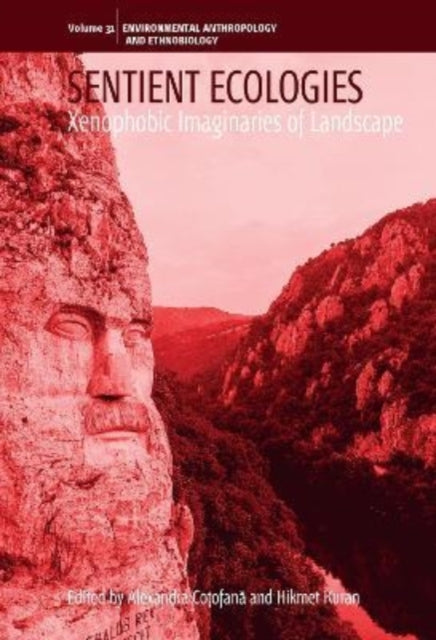
Sentient Ecologies: Xenophobic Imaginaries of Landscape
Sentient Ecologies: Xenophobic Imaginaries of Landscape
💎 Earn 496 Points (£4.96) on this item.
We can order this item for you. Delivery usually takes about 4 to 6 weeks.
This item is not held in our immediate stock. We will order it for you after checkout.
Estimated delivery: About 4 to 6 weeks
- Condition: Brand new
- UK Delivery times: Usually arrives within 2 - 3 working days
- UK Shipping: Fee starts at £2.39. Subject to product weight & dimension
Bulk ordering. Want 15 or more copies? Get a personalised quote and bigger discounts. Learn more about bulk orders.
Couldn't load pickup availability
- More about Sentient Ecologies: Xenophobic Imaginaries of Landscape
This volume explores alternative logics of sentient landscapes as racist, xenophobic, and right-wing, challenging the romanticization of these landscapes as pure, good, and just. It aims to dispel the denial of "coevalness" represented by their scholarly romanticization.
Format: Hardback
Length: 288 pages
Publication date: 11 November 2022
Publisher: Berghahn Books
This volume explores alternative logics of sentient landscapes as racist, xenophobic, and right-wing, challenging the romanticization of these landscapes as pure, good, and just. It argues that sentient landscapes are often perceived as protectors of those who are powerless, indigenous, and colonized, and seeks to dispel the denial of "coevalness" represented by their scholarly romanticization. The book takes a new stance on sentient landscapes, aiming to provide a more nuanced understanding of their role in society.
Sentient Landscapes: Exploring Alternative Logics
This volume explores alternative logics of sentient landscapes as racist, xenophobic, and right-wing, challenging the romanticization of these landscapes as pure, good, and just. It argues that sentient landscapes are often perceived as protectors of those who are powerless, indigenous, and colonized, and seeks to dispel the denial of "coevalness" represented by their scholarly romanticization. The book takes a new stance on sentient landscapes, aiming to provide a more nuanced understanding of their role in society.
Introduction
The field of sentient landscapes has gained critical attention in recent years, with scholars exploring the ways in which these landscapes are shaped by human-environment interactions. However, the literature rarely seems to question the intentionality of sentient landscapes, which are often romanticized as pure, good, and just. This book takes a new stance on sentient landscapes, aiming to dispel the denial of "coevalness" represented by their scholarly romanticization.
The Romanticization of Sentient Landscapes
Sentient landscapes are often portrayed as pure, good, and just, with a focus on their ability to protect those who are powerless, indigenous, and colonized. This romanticization can be seen in the way that sentient landscapes are often depicted in literature, art, and popular culture. For example, in the novel "The Lord of the Rings," the forest of Lothlorien is portrayed as a beautiful and peaceful place that is home to elves, dwarves, and other magical creatures. The forest is seen as a refuge from the evil forces of Sauron, and the elves are portrayed as noble and virtuous. However, this romanticization can be problematic, as it can overlook the complex and often violent history of sentient landscapes.
Sentient landscapes are also often perceived as protectors of those who are powerless, indigenous, and colonized. This perception can be seen in the way that sentient landscapes are used to justify the exploitation of natural resources, the displacement of indigenous communities, and the destruction of ecosystems. For example, in the Amazon rainforest, the indigenous people who live there have been forced to leave their homes and land due to the development of oil and gas industries. The rainforest is seen as a valuable resource that can be exploited for profit, and the indigenous people are often portrayed as primitive and backward. However, this perception can be problematic, as it can overlook the complex and diverse ways in which indigenous communities have lived in harmony with their environment for thousands of years.
The Denial of "Coevalness"
The denial of "coevalness" is a key aspect of the romanticization of sentient landscapes. "Coevalness" refers to the idea that sentient landscapes are part of the same natural system as humans, and that they have a shared history and destiny. However, the denial of "coevalness" can be seen in the way that sentient landscapes are often treated as separate from humans. For example, in the United States, many sentient landscapes are protected by law, but they are often managed by private companies or government agencies. This can lead to a lack of transparency and accountability, and can result in the exploitation of natural resources and the displacement of indigenous communities.
The denial of "coevalness" can also be seen in the way that sentient landscapes are often treated as objects of consumption. For example, in the tourism industry, sentient landscapes are often marketed as destinations for tourists to experience the natural beauty and cultural heritage of a particular area. However, this can lead to the commodification of sentient landscapes, and can result in the exploitation of indigenous communities and the destruction of ecosystems.
Alternative Logics of Sentient Landscapes
In order to explore alternative logics of sentient landscapes, this volume takes a multidisciplinary approach. It draws on methodological perspectives from the fields of political geography, environmental studies, anthropology, and their cognate disciplines. These perspectives provide a unique lens through which to understand the complex and multifaceted nature of sentient landscapes.
One of the key logics explored in this volume is the logic of colonialism. Colonialism is a system of power and control that was used by European countries to colonize the world. It involved the exploitation of natural resources, the displacement of indigenous communities, and the destruction of ecosystems. Colonialism has had a profound impact on sentient landscapes, and it continues to shape the way that they are managed and protected today.
Another logic explored in this volume is the logic of environmentalism. Environmentalism is a movement that seeks to protect the environment from the negative impacts of human activity. It involves the promotion of sustainable practices, the reduction of greenhouse gas emissions, and the preservation of biodiversity. Environmentalism has had a significant impact on sentient landscapes, and it has led to the development of many protected areas and the implementation of environmental policies.
A third logic explored in this volume is the logic of social justice. Social justice is a movement that seeks to address the social and economic inequalities that exist in society. It involves the promotion of equal access to resources, the reduction of poverty, and the protection of human rights. Social justice has had a significant impact on sentient landscapes, and it has led to the development of many community-based conservation programs and the implementation of social policies that support indigenous communities.
Conclusion
In conclusion, this volume explores alternative logics of sentient landscapes as racist, xenophobic, and right-wing, challenging the romanticization of these landscapes as pure, good, and just. It argues that sentient landscapes are often perceived as protectors of those who are powerless, indigenous, and colonized, and seeks to dispel the denial of "coevalness" represented by their scholarly romanticization. The book takes a new stance on sentient landscapes, aiming to provide a more nuanced understanding of their role in society. By drawing on methodological perspectives from the fields of political geography, environmental studies, anthropology, and their cognate disciplines, this volume provides a valuable contribution to the field of sentient landscapes.
Dimension: 229 x 152 (mm)
ISBN-13: 9781800736627
This item can be found in:
UK and International shipping information
UK and International shipping information
UK Delivery and returns information:
- Delivery within 2 - 3 days when ordering in the UK.
- Shipping fee for UK customers from £2.39. Fully tracked shipping service available.
- Returns policy: Return within 30 days of receipt for full refund.
International deliveries:
Shulph Ink now ships to Australia, Belgium, Canada, France, Germany, Ireland, Italy, India, Luxembourg Saudi Arabia, Singapore, Spain, Netherlands, New Zealand, United Arab Emirates, United States of America.
- Delivery times: within 5 - 10 days for international orders.
- Shipping fee: charges vary for overseas orders. Only tracked services are available for most international orders. Some countries have untracked shipping options.
- Customs charges: If ordering to addresses outside the United Kingdom, you may or may not incur additional customs and duties fees during local delivery.