Shulph Ink
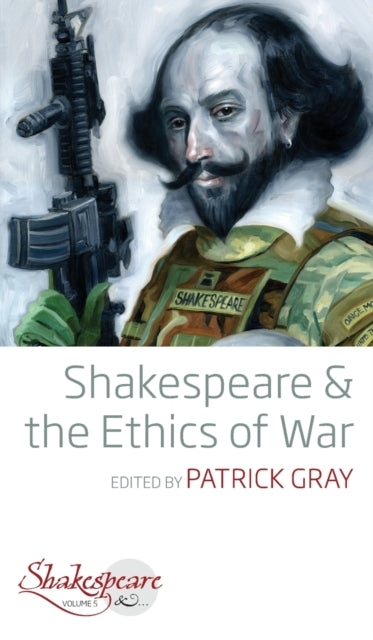
Shakespeare and the Ethics of War
Shakespeare and the Ethics of War
💎 Earn 500 Points (£5.00) on this item.
- Condition: Brand new
- UK Delivery times: Usually arrives within 2 - 3 working days
- UK Shipping: Fee starts at £2.39. Subject to product weight & dimension
Bulk ordering. Want 15 or more copies? Get a personalised quote and bigger discounts. Learn more about bulk orders.
Couldn't load pickup availability
- More about Shakespeare and the Ethics of War
Shakespeare's plays provide a unique perspective on war, exploring themes such as the politics of honor, the ethics of diplomacy, the responsibility of non-combatants, and the tension between idealism and Realpolitik. He depicts historical bloodshed, including the Trojan War, the fall of the Roman Republic, and the Wars of the Roses, and illuminates more recent political violence, such as the British occupation of Ireland, the Spanish Civil War, the Balkans War, and the U. S. military engagement in Iraq and Afghanistan.
Format: Hardback
Length: 170 pages
Publication date: 30 September 2019
Publisher: Berghahn Books
Shakespeare's portrayal of war is a profound exploration of the human condition, offering a unique lens through which to examine contemporary conflict. By delving into historical events such as the Trojan War, the fall of the Roman Republic, and the Wars of the Roses, Shakespeare sheds light on the enduring themes of political violence, justice, and the relationship between rulers and the ruled.
Through his haunting depiction of bloodshed and destruction, Shakespeare challenges our perceptions of what constitutes a just war and explores the complex dynamics that fuel ethnic violence. His plays serve as a framework for thoughtful explorations of perennial problems of human co-existence, including the politics of honor, the ethics of diplomacy, the responsibility of non-combatants, and the tension between idealism and Realpolitik.
One of the most striking aspects of Shakespeare's representation of war is his ability to humanize both the victims and the perpetrators of violence. He shows us the emotional toll that war takes on individuals and communities, as well as the political motivations that drive it. For example, in the play "Julius Caesar," Shakespeare explores the moral dilemmas faced by Caesar as he prepares for battle, questioning the extent to which his ambition and desire for power justify the violence that he is about to unleash.
Similarly, in "Macbeth," Shakespeare examines the consequences of political ambition and the thirst for power, showing how it can lead to moral degradation and the erosion of human values. The play explores the themes of guilt, remorse, and the price of unchecked ambition, highlighting the ways in which war can distort and pervert the course of human history.
Shakespeare's portrayal of war also raises important questions about the role of the individual in the face of conflict. He shows us that even in the midst of war, individuals can make choices that have profound consequences for themselves and others. For example, in "Hamlet," the titular character struggles with the moral dilemma of whether or not to kill his uncle to avenge his father's murder. Shakespeare explores the complexities of loyalty, honor, and the human capacity for both good and evil, showing how individuals can be both victims and agents of war.
In addition to his exploration of historical events and the human condition, Shakespeare's portrayal of war offers a critique of political power and authority. He shows us the ways in which rulers and governments can manipulate public opinion and use violence to achieve their goals. For example, in "Richard III," Shakespeare presents a portrait of a Machiavellian ruler who uses deception and manipulation to gain and maintain power, highlighting the dangers of unchecked authority power and the need for ethical leadership.
Overall, Shakespeare's portrayal of war is a rich and complex exploration of the human condition, offering a unique perspective on contemporary conflict. Through his haunting depiction of historical bloodshed, his exploration of the themes of justice, the relationship between rulers and the ruled, and his critique of political power and authority, Shakespeare provides us with a valuable tool for understanding the complexities of human co-existence and the urgent need for peace and reconciliation.
In conclusion, Shakespeare's portrayal of war is a profound exploration of the human condition, offering a unique lens through which to examine contemporary conflict. By delving into historical events such as the Trojan War, the fall of the Roman Republic, and the Wars of the Roses, Shakespeare sheds light on the enduring the enduring themes of political violence, justice, and the relationship between rulers. Through his haunting depiction of bloodshed and destruction, Shakespeare challenges our perceptions of what constitutes a just war and explores the complex dynamics that fuel ethnic violence. His plays serve as a framework for thoughtful explorations of perennial problems of human co-existence, including the politics of honor, the ethics of diplomacy, the responsibility of non-combatants, and the tension between idealism and Realpolitik. One of the most striking aspects of Shakespeare's representation of war is his ability to humanize both the victims and the perpetrators of violence. He shows us the emotional toll that war takes on individuals and communities, as well as the political motivations that drive it. For example, in the play "Julius Caesar," Shakespeare explores the moral dilemmas faced by Caesar as he prepares for battle, questioning the extent to which his ambition and desire for power justify the violence that he is about to unleash. Similarly, in "Macbeth," Shakespeare examines the consequences of political ambition and the thirst for power, showing how it can lead to moral degradation and the erosion of human values. The play explores the themes of guilt, remorse, and the price of unchecked ambition, highlighting the ways in which war can distort and pervert the course of human history. Shakespeare's portrayal of war also raises important questions about the role of the individual in the face of conflict. He shows us that even in the midst of war, individuals can make choices that have profound consequences for themselves and others. For example, in "Hamlet," the titular character struggles with the moral dilemma of whether or not to kill his uncle to avenge his father's murder. Shakespeare explores the complexities of loyalty, honor, and the human capacity for both good and evil, showing how individuals can be both victims and agents of war. In addition to his exploration of historical events and the human condition, Shakespeare's portrayal of war offers a critique of political power and authority. He shows us the ways in which rulers and governments can manipulate public opinion and use violence to achieve their goals. For example, in "Richard III," Shakespeare presents a portrait of a Machiavellian ruler.
Weight: 300g
Dimension: 212 x 133 x 16 (mm)
ISBN-13: 9781789202618
This item can be found in:
UK and International shipping information
UK and International shipping information
UK Delivery and returns information:
- Delivery within 2 - 3 days when ordering in the UK.
- Shipping fee for UK customers from £2.39. Fully tracked shipping service available.
- Returns policy: Return within 30 days of receipt for full refund.
International deliveries:
Shulph Ink now ships to Australia, Belgium, Canada, France, Germany, Ireland, Italy, India, Luxembourg Saudi Arabia, Singapore, Spain, Netherlands, New Zealand, United Arab Emirates, United States of America.
- Delivery times: within 5 - 10 days for international orders.
- Shipping fee: charges vary for overseas orders. Only tracked services are available for most international orders. Some countries have untracked shipping options.
- Customs charges: If ordering to addresses outside the United Kingdom, you may or may not incur additional customs and duties fees during local delivery.