Jaclyn Jaycox
Sometimes I Feel Angry
Sometimes I Feel Angry
💎 Earn 37 Points (£0.37) on this item.
YOU SAVE £0.40
- Condition: Brand new
- UK Delivery times: Usually arrives within 2 - 3 working days
- UK Shipping: Fee starts at £2.39. Subject to product weight & dimension
Bulk ordering. Want 15 or more copies? Get a personalised quote and bigger discounts. Learn more about bulk orders.
Couldn't load pickup availability
- More about Sometimes I Feel Angry
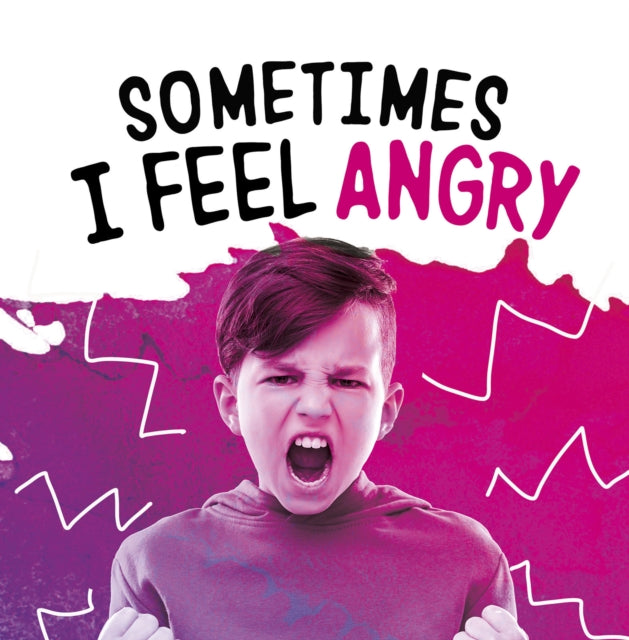
Anger is an emotion that everyone experiences, and this book helps children identify and manage their feelings through mindfulness and large photos.
\n Format: Paperback / softback
\n Length: 24 pages
\n Publication date: 05 August 2021
\n Publisher: Capstone Global Library Ltd
\n
Anger is a complex emotion that everyone experiences at some point in their lives. While it may not always feel pleasant, it is an essential part of human emotion. Children, in particular, need to learn how to identify and manage their anger. This book aims to provide children with the tools they need to understand and control their anger in a healthy and productive way.
One of the key aspects of anger management is recognizing the signs and symptoms of anger. Children may experience physical symptoms such as flushed cheeks, clenched fists, or a racing heart, as well as emotional symptoms such as frustration, resentment, or sadness. It is important for children to learn to recognize these signs and to take steps to manage their anger before it becomes a problem.
One way to help children manage their anger is to teach them effective communication skills. Children can learn to express their feelings and needs in a calm and respectful way, which can help prevent anger from escalating. This can involve teaching children to use "I" statements, which focus on their feelings rather than blaming others, and to listen actively to others' perspectives.
Another strategy for managing anger is to provide children with opportunities to practice mindfulness and relaxation techniques. These techniques can help children calm their minds and bodies, which can reduce the intensity of their anger. Examples of mindfulness activities include deep breathing exercises, meditation, or yoga.
In addition to these strategies, it is important for parents and caregivers to model healthy anger management behavior for children. This can involve setting boundaries, expressing emotions in a calm and respectful way, and resolving conflicts peacefully. By demonstrating these behaviors, children can learn that anger is a normal emotion that can be managed in a healthy and productive way.
Anger is a complex emotion that everyone experiences at some point in their lives. While it may not always feel pleasant, it is an essential part of human emotion. Children, in particular, need to learn how to identify and manage their anger in a healthy and productive way. This book aims to provide children with the tools they need to understand and control their anger in a healthy and productive way.
One of the key aspects of anger management is recognizing the signs and symptoms of anger. Children may experience physical symptoms such as flushed cheeks, clenched fists, or a racing heart, as well as emotional symptoms such as frustration, resentment, or sadness. It is important for children to learn to recognize these signs and to take steps to manage their anger before it becomes a problem.
One way to help children manage their anger is to teach them effective communication skills. Children can learn to express their feelings and needs in a calm and respectful way, which can help prevent anger from escalating. This can involve teaching children to use "I" statements, which focus on their feelings rather than blaming others, and to listen actively to others' perspectives.
Another strategy for managing anger is to provide children with opportunities to practice mindfulness and relaxation techniques. These techniques can help children calm their minds and bodies, which can reduce the intensity of their anger. Examples of mindfulness activities include deep breathing exercises, meditation, or yoga.
In addition to these strategies, it is important for parents and caregivers to model healthy anger management behavior for children. This can involve setting boundaries, expressing emotions in a calm and respectful way, and resolving conflicts peacefully. By demonstrating these behaviors, children can learn that anger is a normal emotion that can be managed in a healthy and productive way.
Anger is a complex emotion that everyone experiences at some point in their lives. While it may not always feel pleasant, it is an essential part of human emotion. Children, in particular, need to learn how to identify and manage their anger in a healthy and productive way. This book aims to provide children with the tools they need to understand and control their anger in a healthy and productive way.
One of the key aspects of anger management is recognizing the signs and symptoms of anger. Children may experience physical symptoms such as flushed cheeks, clenched fists, or a racing heart, as well as emotional symptoms such as frustration, resentment, or sadness. It is important for children to learn to recognize these signs and to take steps to manage their anger before it becomes a problem.
One way to help children manage their anger is to teach them effective communication skills. Children can learn to express their feelings and needs in a calm and respectful way, which can help prevent anger from escalating. This can involve teaching children to use "I" statements, which focus on their feelings rather than blaming others, and to listen actively to others' perspectives.
Another strategy for managing anger is to provide children with opportunities to practice mindfulness and relaxation techniques. These techniques can help children calm their minds and bodies, which can reduce the intensity of their anger. Examples of mindfulness activities include deep breathing exercises, meditation, or yoga.
In addition to these strategies, it is important for parents and caregivers to model healthy anger management behavior for children. This can involve setting boundaries, expressing emotions in a calm and respectful way, and resolving conflicts peacefully. By demonstrating these behaviors, children can learn that anger is a normal emotion that can be managed in a healthy and productive way.
Anger is a complex emotion that everyone experiences at some point in their lives. While it may not always feel pleasant, it is an essential part of human emotion. Children, in particular, need to learn how to identify and manage their anger in a healthy and productive way. This book aims to provide children with the tools they need to understand and control their anger in a healthy and productive way.
One of the key aspects of anger management is recognizing the signs and symptoms of anger. Children may experience physical symptoms such as flushed cheeks, clenched fists, or a racing heart, as well as emotional symptoms such as frustration, resentment, or sadness. It is important for children to learn to recognize these signs and to take steps
One way to help children manage their anger is to teach them effective communication skills. Children can learn to express their feelings and needs in a calm and respectful way, which can help prevent anger from escalating. This can involve teaching children to use "I" statements, which focus on their feelings rather than blaming others, and to listen actively to others' perspectives.
Another strategy for managing anger is to provide children with opportunities to practice mindfulness and relaxation techniques. These techniques can help children calm their minds and bodies, which can reduce the intensity of their anger. Examples of mindfulness activities include deep breathing exercises, meditation, or yoga.
In addition to these strategies, it is important for parents and caregivers to model healthy anger management behavior for children. This can involve setting boundaries, expressing emotions in a calm and respectful way, and resolving conflicts peacefully. By demonstrating these behaviors, children can learn that anger is a normal emotion that can be managed in a healthy and productive way.
Anger is a complex emotion that everyone experiences at some point in their lives. While it may not always feel pleasant, it is an essential part of human emotion. Children, in particular, need to learn how to identify and manage their anger in a healthy and productive way. This book aims to provide children with the tools they need to understand and control their anger in a healthy and productive way.
One of the key aspects of anger management is recognizing the signs and symptoms of anger. Children may experience physical symptoms such as flushed cheeks, clenched fists, or a racing heart, as well as emotional symptoms such as frustration, resentment, or sadness. It is important for children to learn to recognize these signs and to take steps to manage their anger before it becomes a problem.
One way to help children manage their anger is to teach them effective communication skills. Children can learn to express their feelings and needs in a calm and respectful way, which can help prevent anger from escalating. This can involve teaching children to use "I" statements, which focus on their feelings rather than blaming others, and to listen actively to others' perspectives.
Another strategy for managing anger is to provide children with opportunities to practice mindfulness and relaxation techniques. These techniques can help children calm their minds and bodies, which can reduce the intensity of their anger. Examples of mindfulness activities include deep breathing exercises, meditation, or yoga.
In addition to these strategies, it is important for parents and caregivers to model healthy anger management behavior for children. This can involve setting boundaries, expressing emotions in a calm and respectful way, and resolving conflicts peacefully. By demonstrating these behaviors, children can learn that anger is a normal emotion that can be managed in a healthy and productive way.
Anger is a complex emotion that everyone experiences at some point in their lives. While it may not always feel pleasant, it is an essential part of human emotion. Children, in particular, need to learn how to identify and manage their anger in a healthy and productive way. This book aims to provide children with the tools they need to understand and control their anger in a healthy and productive way.
One of the key aspects of anger management is recognizing the signs and symptoms of anger. Children may experience physical symptoms such as flushed cheeks, clenched fists, or a racing heart, as well as emotional symptoms such as frustration, resentment, or sadness. It is important for children to learn to recognize these signs and to take steps to manage their anger before it becomes a problem.
One way to help children manage their anger is to teach them effective communication skills. Children can learn to express their feelings and needs in a calm and respectful way, which can help prevent anger from escalating. This can involve teaching children to use "I" statements, which focus on their feelings rather than blaming others, and to listen actively to others' perspectives.
Another strategy for managing anger is to provide children with opportunities to practice mindfulness and relaxation techniques. These techniques can help children calm their minds and bodies, which can reduce the intensity of their anger. Examples of mindfulness activities include deep breathing exercises, meditation, or yoga.
In addition to these strategies, it is important for parents and caregivers to model healthy anger management behavior for children. This can involve setting boundaries, expressing emotions in a calm and respectful way, and resolving conflicts peacefully. By demonstrating these behaviors, children can learn that anger is a normal emotion that can be managed in a healthy and productive way.
Anger is a complex emotion that everyone experiences at some point in their lives. While it may not always feel pleasant, it is an essential part of human emotion. Children, in particular, need to learn how to identify and manage their anger in a healthy and productive way. This book aims to provide children with the tools they need to understand and control their anger in a healthy and productive way.
One of the key aspects of anger management is recognizing the signs and symptoms of anger. Children may experience physical symptoms such as flushed cheeks, clenched fists, or a racing heart, as well as emotional symptoms such as frustration, resentment, or sadness. It is important for children to learn to recognize these signs and to take steps to manage their anger before it becomes a problem.
One way to help children manage their anger is to teach them effective communication skills. Children can learn to express their feelings and needs in a calm and respectful way, which can help prevent anger from escalating. This can involve teaching children to use "I" statements, which focus on their feelings rather than blaming others, and to listen actively to others' perspectives.
Another strategy for managing anger is to provide children with opportunities to practice mindfulness and relaxation techniques. These techniques can help children calm their minds and bodies, which can reduce the intensity of their anger. Examples of mindfulness activities include deep breathing exercises, meditation, or yoga.
In addition to these strategies, it is important for parents and caregivers to model healthy anger management behavior for children. This can involve setting boundaries, expressing emotions in a calm and respectful way, and resolving conflicts peacefully. By demonstrating these behaviors, children can learn that anger is a normal emotion that can be managed in a healthy and productive way.
Anger is a complex emotion that everyone experiences at some point in their lives. While it may not always feel pleasant, it is an essential part of human emotion. Children, in particular, need to learn how to identify and manage their anger in a healthy and productive way. This book aims to provide children with the tools they need to understand and control their anger in a healthy and productive way.
One of the key aspects of anger management is recognizing the signs and symptoms of anger. Children may experience physical symptoms such as flushed cheeks, clenched fists, or a racing heart, as well as emotional symptoms such as frustration, resentment, or sadness. It is important for children to learn to recognize these signs and to take steps to manage their anger before it becomes a problem.
One way to help children manage their anger is to teach them effective communication skills. Children can learn to express their feelings and needs in a calm and respectful way, which can help prevent anger from escalating. This can involve teaching children to use "I" statements, which focus on their feelings rather than blaming others, and to listen actively to others' perspectives.
Another strategy for managing anger is to provide children with opportunities to practice mindfulness and relaxation techniques. These techniques can help children calm their minds and bodies, which can reduce the intensity of their anger. Examples of mindfulness activities include deep breathing exercises, meditation, or yoga.
In addition to these strategies, it is important for parents and caregivers to model healthy anger management behavior for children. This can involve setting boundaries, expressing emotions in a calm and respectful way, and resolving conflicts peacefully. By demonstrating these behaviors, children can learn that anger is a normal emotion that can be managed in a healthy and productive way.
\n Weight: 84g\n
Dimension: 202 x 200 x 7 (mm)\n
ISBN-13: 9781398203600\n \n
This item can be found in:
UK and International shipping information
UK and International shipping information
UK Delivery and returns information:
- Delivery within 2 - 3 days when ordering in the UK.
- Shipping fee for UK customers from £2.39. Fully tracked shipping service available.
- Returns policy: Return within 30 days of receipt for full refund.
International deliveries:
Shulph Ink now ships to Australia, Belgium, Canada, France, Germany, Ireland, Italy, India, Luxembourg Saudi Arabia, Singapore, Spain, Netherlands, New Zealand, United Arab Emirates, United States of America.
- Delivery times: within 5 - 10 days for international orders.
- Shipping fee: charges vary for overseas orders. Only tracked services are available for most international orders. Some countries have untracked shipping options.
- Customs charges: If ordering to addresses outside the United Kingdom, you may or may not incur additional customs and duties fees during local delivery.