Shulph Ink
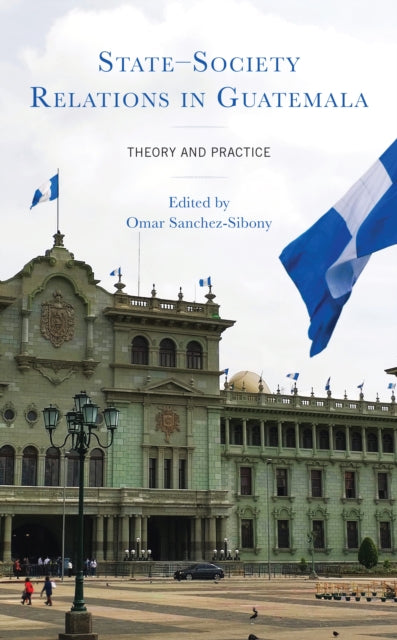
State–Society Relations in Guatemala: Theory and Practice
State–Society Relations in Guatemala: Theory and Practice
We can order this item for you. Delivery usually takes about 4 to 6 weeks.
This item is not held in our immediate stock. We will order it for you after checkout.
Estimated delivery: About 4 to 6 weeks
- Condition: Brand new
- UK Delivery times: Usually arrives within 2 - 3 working days
- UK Shipping: Fee starts at £3.89. Subject to product weight & dimension
Bulk ordering. Want 15 or more copies? Get a personalised quote and bigger discounts. Learn more about bulk orders.
Couldn't load pickup availability
- More about State–Society Relations in Guatemala: Theory and Practice
This volume advances knowledge about Guatemala's politics, economy, and state-society interactions by examining the post-Peace-Accords-era across various subjects, avoiding parochialism by placing the country within larger scholarly debates and paradigms.
Format: Hardback
Length: 414 pages
Publication date: 01 August 2023
Publisher: Bloomsbury Publishing Plc
This volume contributes to the understanding of Guatemala's politics, economy, and state-society interactions by incorporating it into recent conceptual and theoretical work in comparative politics and political economy. The contributors explore the persistent realities and challenges facing Guatemala in the post-Peace-Accords-era across various subjects, including the state, subnational governance, state-building, peacebuilding, economic structure and dynamics, social movements, civil-military relations, military coup dynamics, varieties of capitalism, corruption, and the level of democracy. The book aims to avoid parochialism by positioning Guatemala within broader scholarly debates and paradigms.
Guatemala in Comparative Politics and Political Economy
This volume advances knowledge about Guatemala's politics, economy, and state-society interactions by embedding it into recent conceptual and theoretical work in comparative politics and political economy. The contributors examine the stubborn realities and challenges afflicting Guatemala during the post-Peace-Accords-era across the following subjects: the state, subnational governance, state-building, peacebuilding, economic structure and dynamics, social movements, civil-military relations, military coup dynamics, varieties of capitalism, corruption, and the level of democracy. The book deliberately avoids the perils of parochialism by placing the country within larger scholarly debates and paradigms.
The State
The contributors explore the state's role in Guatemala's politics, including its capacity to provide public goods and services, regulate economic activity, and maintain social order. They examine the challenges faced by the state in implementing policies and programs, particularly in the context of limited resources and competing interests. The book also discusses the impact of globalization on the state's role and the need for state-building efforts to address the challenges posed by globalization.
Subnational Governance
Subnational governance is another critical aspect of Guatemala's politics. The contributors examine the structure and functioning of subnational governments, including local governments, regional governments, and indigenous governments. They explore the challenges faced by these governments in providing public goods and services, managing natural resources, and promoting social and economic development. The book also discusses the role of subnational governments in promoting peacebuilding and conflict resolution.
State-Building
State-building is a critical process in Guatemala's politics. The contributors examine the strategies and policies used to build and strengthen the state's capacity to provide public goods and services, regulate economic activity, and maintain social order. They discuss the challenges faced by state-building efforts, including corruption, lack of resources, and political instability. The book also explores the role of civil society organizations in state-building and the need for inclusive and participatory governance.
Peacebuilding
Peacebuilding is another critical aspect of Guatemala's politics. The contributors examine the strategies and policies used to promote peace and stability in the country. They discuss the challenges faced by peacebuilding efforts, including the presence of armed groups, social inequality, and political instability. The book also explores the role of international actors in peacebuilding and the need for sustainable peacebuilding strategies.
Economic Structure and Dynamics
Guatemala's economic structure and dynamics are also critical aspects of its politics. The contributors examine the country's economic growth, poverty, inequality, and social exclusion. They discuss the strategies and policies used to address these challenges, including economic development, social protection, and poverty reduction programs. The book also explores the role of the private sector in Guatemala's economy and the need for regulation and transparency.
Social Movements
Social movements are a significant aspect of Guatemala's politics. The contributors examine the role of social movements in promoting social and political change. They discuss the challenges faced by social movements, including repression, violence, and political exclusion. The book also explores the role of social movements in promoting peacebuilding and conflict resolution.
Civil-Military Relations
Civil-military relations are a critical aspect of Guatemala's politics. The contributors examine the relationship between the military and the civilian population. They discuss the challenges faced by civil-military relations, including human rights abuses, political interference, and military coups. The book also explores the role of civil society organizations in promoting civil-military relations and the need for civilian control over the military.
Military Coup Dynamics
Military coup dynamics are a critical aspect of Guatemala's politics. The contributors examine the factors that contribute to military coups and the consequences of these coups. They discuss the strategies and policies used to prevent military coups and promote democratic governance. The book also explores the role of international actors in preventing military coups and promoting democratic governance.
Varieties of Capitalism
Guatemala's economic structure and dynamics are also critical aspects of its politics. The contributors examine the country's economic growth, poverty, inequality, and social exclusion. They discuss the strategies and policies used to address these challenges, including economic development, social protection, and poverty reduction programs. The book also explores the role of the private sector in Guatemala's economy and the need for regulation and transparency.
Corruption
Corruption is a significant aspect of Guatemala's politics. The contributors examine the prevalence of corruption in the country and its impact on the state's capacity to provide public goods and services, regulate economic activity, and maintain social order. They discuss the strategies and policies used to combat corruption, including anti-corruption laws, transparency, and accountability mechanisms. The book also explores the role of civil society organizations in combating corruption and the need for a culture of integrity.
Level of Democracy
The level of democracy in Guatemala is also a critical aspect of its politics. The contributors examine the country's democratic institutions, including the electoral system, the judiciary, and the media. They discuss the challenges faced by democratic institutions in Guatemala, including political polarization, political violence, and political exclusion. The book also explores the role of international actors in promoting democracy in Guatemala and the need for a more inclusive and participatory political system.
Guatemala in Comparative Politics and Political Economy
This volume advances knowledge about Guatemala's politics, economy, and state-society interactions by embedding it into recent conceptual and theoretical work in comparative politics and political economy. The contributors examine the stubborn realities and challenges afflicting Guatemala during the post-Peace-Accords-era across the following subjects: the state, subnational governance, state-building, peacebuilding, economic structure and dynamics, social movements, civil-military relations, military coup dynamics, varieties of capitalism, corruption, and the level of democracy. The book deliberately avoids the perils of parochialism by placing the country within larger scholarly debates and paradigms.
The State
The contributors explore the state's role in Guatemala's politics, including its capacity to provide public goods and services, regulate economic activity, and maintain social order. They examine the challenges faced by the state in implementing policies and programs, particularly in the context of limited resources and competing interests. The book also discusses the impact of globalization on the state's role and the need for state-building efforts to address the challenges posed by globalization.
Subnational Governance
Subnational governance is another critical aspect of Guatemala's politics. The contributors examine the structure and functioning of subnational governments, including local governments, regional governments, and indigenous governments. They explore the challenges faced by these governments in providing public goods and services, managing natural resources, and promoting social and economic development. The book also discusses the role of subnational governments in promoting peacebuilding and conflict resolution.
State-Building
State-building is a critical process in Guatemala's politics. The contributors examine the strategies and policies used to build and strengthen the state's capacity to provide public goods and services, regulate economic activity, and maintain social order. They discuss the challenges faced by state-building efforts, including corruption, lack of resources, and political instability. The book also explores the role of civil society organizations in state-building and the need for inclusive and participatory governance.
Peacebuilding
Peacebuilding is another critical aspect of Guatemala's politics. The contributors examine the strategies and policies used to promote peace and stability in the country. They discuss the challenges faced by peacebuilding efforts, including the presence of armed groups, social inequality, and political instability. The book also explores the role of international actors in peacebuilding and the need for sustainable peacebuilding strategies.
Economic Structure and Dynamics
Guatemala's economic structure and dynamics are also critical aspects of its politics. The contributors examine the country's economic growth, poverty, inequality, and social exclusion. They discuss the strategies and policies used to address these challenges, including economic development, social protection, and poverty reduction programs. The book also explores the role of the private sector in Guatemala's economy and the need for regulation and transparency.
Social Movements
Social movements are a significant aspect of Guatemala's politics. The contributors examine the role of social movements in promoting social and political change. They discuss the challenges faced by social movements, including repression, violence, and political exclusion. The book also explores the role of social movements in promoting peacebuilding and conflict resolution.
Civil-Military Relations
Civil-military relations are a critical aspect of Guatemala's politics. The contributors examine the relationship between the military and the civilian population. They discuss the challenges faced by civil-military relations, including human rights abuses, political interference, and military coups. The book also explores the role of civil society organizations in promoting civil-military relations and the need for civilian control over the military.
Military Coup Dynamics
Military coup dynamics are a critical aspect of Guatemala's politics. The contributors examine the factors that contribute to military coups and the consequences of these coups. They discuss the strategies and policies used to prevent military coups and promote democratic governance. The book also explores the role of international actors in preventing military coups and promoting democratic governance.
Varieties of Capitalism
Guatemala's economic structure and dynamics are also critical aspects of its politics. The contributors examine the country's economic growth, poverty, inequality, and social exclusion. They discuss the strategies and policies used to address these challenges, including economic development, social protection, and poverty reduction programs. The book also explores the role of the private sector in Guatemala's economy and the need for regulation and transparency.
Corruption
Corruption is a significant aspect of Guatemala's politics. The contributors examine the prevalence of corruption in the country and its impact on the state's capacity to provide public goods and services, regulate economic activity, and maintain social order. They discuss the strategies and policies used to combat corruption, including anti-corruption laws, transparency, and accountability mechanisms. The book also explores the role of civil society organizations in combating corruption and the need for a culture of integrity.
Level of Democracy
The level of democracy in Guatemala is also a critical aspect of its politics. The contributors examine the country's democratic institutions, including the electoral system, the judiciary, and the media. They discuss the challenges faced by democratic institutions in Guatemala, including political polarization, political violence, and political exclusion. The book also explores the role of international actors in promoting democracy in Guatemala and the need for a more inclusive and participatory political system.
Weight: 748g
Dimension: 237 x 157 x 29 (mm)
ISBN-13: 9781666910094
UK and International shipping information
UK and International shipping information
We deliver throughout the United Kingdom and to 128 countries and territories worldwide, including the United States, Australia, Canada, Germany, Spain and France.