Shulph Ink
Stereotyping Religion II: Critiquing Cliches
Stereotyping Religion II: Critiquing Cliches
💎 Earn 101 Points (£1.01) on this item.
YOU SAVE £2.65
- Condition: Brand new
- UK Delivery times: Usually arrives within 2 - 3 working days
- UK Shipping: Fee starts at £2.39. Subject to product weight & dimension
Bulk ordering. Want 15 or more copies? Get a personalised quote and bigger discounts. Learn more about bulk orders.
Couldn't load pickup availability
- More about Stereotyping Religion II: Critiquing Cliches
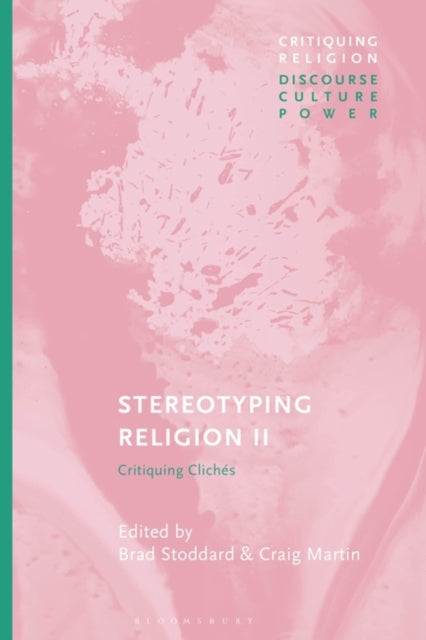
Stereotyping Religion II: Critiquing Clichés is a follow-up volume that dismantles 10 widespread stereotypes and clichés about religion, focusing on clichés that a new generation of students are most familiar with. The book includes a description of each cliché, its appearance in popular culture or media, scholarly literature, historical contextualization, and an analysis of the social or rhetorical work it accomplishes in the present. Clichés addressed include religion and science naturally conflict, all religions are against LGBTQ rights, Eastern religions are more spiritual than Western religions, religion is personal and not subject to government regulation, and religious pluralism gives everyone a voice. The book is written in an easy and accessible style and is suitable for all readers looking to clear away unsophisticated assumptions in preparation for more critical studies.
Format: Paperback / softback
Length: 176 pages
Publication date: 18 May 2023
Publisher: Bloomsbury Publishing PLC
Building on the success of Stereotyping Religion: Critiquing Clichés, this follow-up volume dismantles a further 10 widespread stereotypes and clichés about religion, focusing on clichés that a new generation of students are most familiar with. Each chapter includes:
A description of a particular cliché: This section provides a clear and concise definition of the cliché being discussed, helping readers to understand its core meaning.
Discussion of where it appears in popular culture or popular media: This section explores how the cliché is represented and perpetuated in various forms of popular media, such as movies, TV shows, music, and literature. It identifies the specific contexts in which the cliché is used and the impact it has on audiences.
Discussion of where it appears in scholarly literature: This section examines how the cliché is discussed and analyzed in academic literature, including scholarly articles, books, and theses. It identifies the different perspectives and interpretations of the cliché and highlights the contributions of scholars in challenging and reframing it.
A historical contextualization of its use in the past: This section provides a historical background of the cliché, tracing its origins and evolution over time. It explores how the cliché has been used in different historical contexts and the social, cultural, and political factors that have influenced its development.
An analysis of the social or rhetorical work the cliché accomplishes in the present: This section examines the social or rhetorical functions that the cliché performs in the present. It explores how the cliché reinforces existing stereotypes, perpetuates biases, and shapes public perception of religion. It also considers the potential consequences of the cliché on individuals and society as a whole.
Clichés addressed include:
Religion and science naturally conflict: This cliché suggests that there is a fundamental conflict between religion and science, with one being opposed to the other. However, this is a false and oversimplified view of the relationship between these two fields. While there may be differences in perspective and methodology, there is also a significant amount of cooperation and collaboration between religious scholars and scientists, particularly in areas such as biology, physics, and psychology.
All religions are against LGBTQ rights: This cliché implies that all religions are inherently anti-LGBTQ and that religious beliefs and practices are harmful to LGBTQ individuals. However, this is not the case. Many religions have a history of supporting LGBTQ rights, and there are also religious organizations and individuals who actively advocate for LGBTQ rights.
Eastern religions are more spiritual than Western religions: This cliché suggests that Eastern religions are more spiritual or mystical than Western religions. However, this is a generalization that may not hold true for all Eastern or Western religions. Each religion has its own unique practices and beliefs, and it is not accurate to make broad comparisons between them.
Religion is personal and not subject to government regulation: This cliché suggests that religion is a private matter and that the government should not interfere in religious practices or beliefs. However, religion has played a significant role in shaping public policy and society throughout history, and there are instances where government regulation of religion has been necessary to protect the rights and freedoms of individuals.
Religious pluralism gives everyone a voice: This cliché implies that religious pluralism is a positive thing, as it allows everyone to have their own religious beliefs and practices. However, religious pluralism can also be challenging, as it can lead to conflicts and divisions within society. It is important to promote religious tolerance and understanding and to work towards creating a society that is inclusive and respectful of all religious beliefs and practices.
Written in an easy and accessible style, Stereotyping Religion II: Critiquing Clichés is suitable for all readers looking to clear away unsophisticated assumptions in preparation for more critical studies. By providing a comprehensive analysis of these clichés, the book helps readers to develop a more nuanced and informed understanding of religion and its role in society.
Weight: 286g
Dimension: 233 x 157 x 16 (mm)
ISBN-13: 9781350263598
UK and International shipping information
UK and International shipping information
UK Delivery and returns information:
- Delivery within 2 - 3 days when ordering in the UK.
- Shipping fee for UK customers from £2.39. Fully tracked shipping service available.
- Returns policy: Return within 30 days of receipt for full refund.
International deliveries:
Shulph Ink now ships to Australia, Belgium, Canada, France, Germany, Ireland, Italy, India, Luxembourg Saudi Arabia, Singapore, Spain, Netherlands, New Zealand, United Arab Emirates, United States of America.
- Delivery times: within 5 - 10 days for international orders.
- Shipping fee: charges vary for overseas orders. Only tracked services are available for most international orders. Some countries have untracked shipping options.
- Customs charges: If ordering to addresses outside the United Kingdom, you may or may not incur additional customs and duties fees during local delivery.