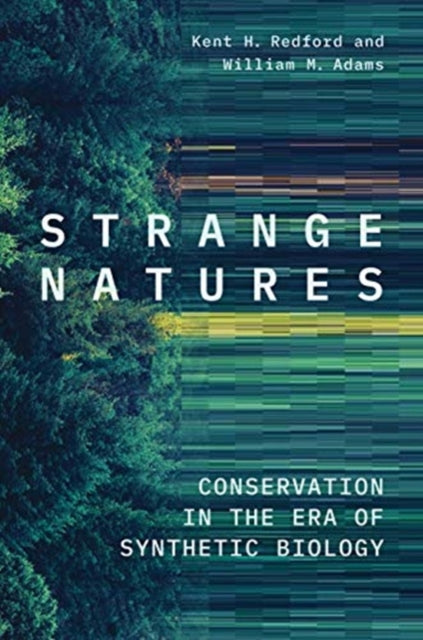
Kent H. Redford,William M. Adams
Strange Natures: Conservation in the Era of Synthetic Biology
Strange Natures: Conservation in the Era of Synthetic Biology
💎 Earn 129 Points (£1.29) on this item.
YOU SAVE £1.54
- Condition: Brand new
- UK Delivery times: Usually arrives within 2 - 3 working days
- UK Shipping: Fee starts at £2.39. Subject to product weight & dimension
Bulk ordering. Want 15 or more copies? Get a personalised quote and bigger discounts. Learn more about bulk orders.
Couldn't load pickup availability
- More about Strange Natures: Conservation in the Era of Synthetic Biology
Synthetic biology is a groundbreaking examination of the implications of synthetic biology for biodiversity conservation, challenging the distinction between what is natural and what is human-made. It proposes a vision for protecting nature through gene editing technology, ecological restoration, political ecology, and de-extinction studies.
Format: Hardback
Length: 296 pages
Publication date: 02 July 2021
Publisher: Yale University Press
The potential implications of synthetic biology for biodiversity conservation are a subject of groundbreaking exploration in the book. With its rich array of perspectives on a complex and contentious phenomenon, the book manages to be both comprehensive and cautiously open-minded, inviting contemplation and reflection rather than hasty conclusions.
Nature, in nearly every corner of the world, thrives on human terms. The longstanding distinction between what is natural and what is human-made has shaped conservation practices for centuries. However, the advent of gene editing technology has blurred this boundary, raising profound questions about the meaning of conserving nature.
The tools of synthetic biology are poised to revolutionize our understanding and approach to conservation. Gene editing technology, already making significant strides in the agriculture and biotechnology industries, holds the promise of transforming conservation efforts as well. What happens when synthetic biology is applied to control invasive species, combat wildlife diseases, or even revive extinct species?
In response to these questions, conservation scientist Kent Redford and geographer Bill Adams draw upon a diverse range of disciplines, including synthetic biology, ecological restoration, political ecology, and de-extinction studies. They present a groundbreaking vision for protecting nature, one that challenges traditional approaches and offers innovative solutions.
One of the key insights proposed by Redford and Adams is the recognition that nature is not a static entity but a dynamic system that is constantly evolving. They argue that traditional conservation strategies, which often focus on protecting specific species or habitats, are insufficient in the face of rapid environmental change. Instead, they advocate for a more holistic and integrated approach that considers the entire ecosystem and its interconnectedness.
The authors propose the use of synthetic biology to create new tools and technologies for conservation. For example, they suggest the development of genetically modified organisms (GMOs) that are designed to mimic the natural behavior of invasive species, making them less harmful to ecosystems. They also explore the potential of synthetic biology to combat wildlife diseases, such as Ebola, by developing vaccines or treatments that target specific genetic mutations.
Furthermore, Redford and Adams propose the use of synthetic biology in ecological restoration efforts. By introducing new species or modifying existing ones, they can help restore damaged ecosystems and promote biodiversity. For instance, they suggest the creation of synthetic ecosystems that mimic natural habitats, providing a safe haven for endangered species and promoting the recovery of ecosystems that have been degraded by human activities.
The authors also address the ethical and societal implications of synthetic biology in conservation. They raise concerns about the potential for unintended consequences, such as the creation of new invasive species or the alteration of natural ecosystems. They advocate for transparent and responsible governance, ensuring that the development and application of synthetic biology technologies are guided by scientific principles, ethical considerations, and public input.
In conclusion, the book offers a thought-provoking examination of the implications of synthetic biology for biodiversity conservation. By exploring the potential of gene editing technology and other synthetic biology tools, Redford and Adams propose a comprehensive and innovative vision for protecting nature. Their approach challenges traditional conservation practices and encourages a more holistic and integrated approach that considers the entire ecosystem and its interconnectedness. The book is a valuable resource for scientists, policymakers, and anyone interested in understanding the future of conservation and the role of synthetic biology in shaping it.
Weight: 602g
Dimension: 165 x 242 x 28 (mm)
ISBN-13: 9780300230970
This item can be found in:
UK and International shipping information
UK and International shipping information
UK Delivery and returns information:
- Delivery within 2 - 3 days when ordering in the UK.
- Shipping fee for UK customers from £2.39. Fully tracked shipping service available.
- Returns policy: Return within 30 days of receipt for full refund.
International deliveries:
Shulph Ink now ships to Australia, Belgium, Canada, France, Germany, Ireland, Italy, India, Luxembourg Saudi Arabia, Singapore, Spain, Netherlands, New Zealand, United Arab Emirates, United States of America.
- Delivery times: within 5 - 10 days for international orders.
- Shipping fee: charges vary for overseas orders. Only tracked services are available for most international orders. Some countries have untracked shipping options.
- Customs charges: If ordering to addresses outside the United Kingdom, you may or may not incur additional customs and duties fees during local delivery.