Shulph Ink
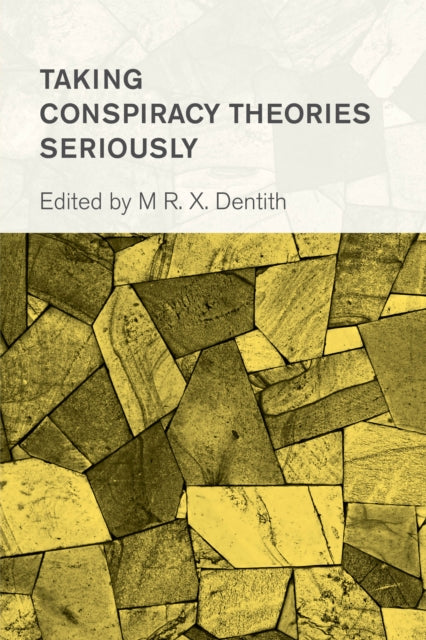
Taking Conspiracy Theories Seriously
Taking Conspiracy Theories Seriously
💎 Earn 163 Points (£1.63) on this item.
We can order this item for you. Delivery usually takes about 4 to 6 weeks.
This item is not held in our immediate stock. We will order it for you after checkout.
Estimated delivery: About 4 to 6 weeks
YOU SAVE £3.29
- Condition: Brand new
- UK Delivery times: Usually arrives within 2 - 3 working days
- UK Shipping: Fee starts at £3.89. Subject to product weight & dimension
Bulk ordering. Want 15 or more copies? Get a personalised quote and bigger discounts. Learn more about bulk orders.
Couldn't load pickup availability
- More about Taking Conspiracy Theories Seriously
This volume argues that conspiracy theories can be rational beliefs and that we should take them seriously, challenging the prima facie view that they are irrational. It presents fresh perspectives from the wider philosophical, sociological, and psychological community on this issue of increasing relevance.
Format: Paperback / softback
Length: 266 pages
Publication date: 16 November 2018
Publisher: Rowman & Littlefield
While there is a widespread superstition that conspiracy theories are examples of bad beliefs and that the kind of people who believe in conspiracy theories are typically irrational, many conspiracy theories are rational to believe. The contributors to this volume argue that the members of the Dewey Commission were right when they said that the Moscow Trials of the 1930s were a sham. Woodward and Bernstein were correct when they thought that Nixon was complicit in the conspiracy to deny any wrongdoing in the Watergate Hotel break-in. And if we either accept the terrorist events of 9/11 were committed by Al-Qaeda or that the Bush Administration was responsible, then it seems we are endorsing some theory about a conspiracy to commit an act of terror on American soil. As such, there is no reason to reject conspiracy theories sui generis.
This volume challenges the prima facie that conspiracy theories are irrational beliefs, arguing that we should treat conspiracy theories and the phenomena of conspiracy theories seriously. It presents fresh perspectives from the wider philosophical, sociological, and psychological community on what is becoming an issue of increasing relevance in our time.
The contributors to this volume argue that while there is a widespread superstition that conspiracy theories are examples of bad beliefs and that the kind of people who believe in conspiracy theories are typically irrational, many conspiracy theories are rational to believe. The contributors to this volume argue that the members of the Dewey Commission were right when they said that the Moscow Trials of the 1930s were a sham. Woodward and Bernstein were correct when they thought that Nixon was complicit in the conspiracy to deny any wrongdoing in the Watergate Hotel break-in. And if we either accept the terrorist events of 9/11 were committed by Al-Qaeda or that the Bush Administration was responsible, then it seems we are endorsing some theory about a conspiracy to commit an act of terror on American soil. As such, there is no reason to reject conspiracy theories sui generis.
This volume challenges the prima facie that conspiracy theories are irrational beliefs, arguing that we should treat conspiracy theories and the phenomena of conspiracy theories seriously. It presents fresh perspectives from the wider philosophical, sociological, and psychological community on what is becoming an issue of increasing relevance in our time.
The contributors to this volume argue that while there is a widespread superstition that conspiracy theories are examples of bad beliefs and that the kind of people who believe in conspiracy theories are typically irrational, many conspiracy theories are rational to believe. The contributors to this volume argue that the members of the Dewey Commission were right when they said that the Moscow Trials of the 1930s were a sham. Woodward and Bernstein were correct when they thought that Nixon was complicit in the conspiracy to deny any wrongdoing in the Watergate Hotel break-in. And if we either accept the terrorist events of 9/11 were committed by Al-Qaeda or that the Bush Administration was responsible, then it seems we are endorsing some theory about a conspiracy to commit an act of terror on American soil. As such, there is no reason to reject conspiracy theories sui generis.
This volume challenges the prima facie that conspiracy theories are irrational beliefs, arguing that we should treat conspiracy theories and the phenomena of conspiracy theories seriously. It presents fresh perspectives from the wider philosophical, sociological, and psychological community on what is becoming an issue of increasing relevance in our time.
The contributors to this volume argue that while there is a widespread superstition that conspiracy theories are examples of bad beliefs and that the kind of people who believe in conspiracy theories are typically irrational, many conspiracy theories are rational to believe. The contributors to this volume argue that the members of the Dewey Commission were right when they said that the Moscow Trials of the 1930s were a sham. Woodward and Bernstein were correct when they thought that Nixon was complicit in the conspiracy to deny any wrongdoing in the Watergate Hotel break-in. And if we either accept the terrorist events of 9/11 were committed by Al-Qaeda or that the Bush Administration was responsible, then it seems we are endorsing some theory about a conspiracy to commit an act of terror on American soil. As such, there is no reason to reject conspiracy theories sui generis.
This volume challenges the prima facie that conspiracy theories are irrational beliefs, arguing that we should treat conspiracy theories and the phenomena of conspiracy theories seriously. It presents fresh perspectives from the wider philosophical, sociological, and psychological community on what is becoming an issue of increasing relevance in our time.
The contributors to this volume argue that while there is a widespread superstition that conspiracy theories are examples of bad beliefs and that the kind of people who believe in conspiracy theories are typically irrational, many conspiracy theories are rational to believe. The contributors to this volume argue that the members of the Dewey Commission were right when they said that the Moscow Trials of the 1930s were a sham. Woodward and Bernstein were correct when they thought that Nixon was complicit in the conspiracy to deny any wrongdoing in the Watergate Hotel break-in. And if we either accept the terrorist events of 9/11 were committed by Al-Qaeda or that the Bush Administration was responsible, then it seems we are endorsing some theory about a conspiracy to commit an act of terror on American soil. As such, there is no reason to reject conspiracy theories sui generis.
This volume challenges the prima facie that conspiracy theories are irrational beliefs, arguing that we should treat conspiracy theories and the phenomena of conspiracy theories seriously. It presents fresh perspectives from the wider philosophical, sociological, and psychological community on what is becoming an issue of increasing relevance in our time.
Weight: 406g
Dimension: 230 x 152 x 22 (mm)
ISBN-13: 9781786608291
UK and International shipping information
UK and International shipping information
We deliver throughout the United Kingdom and to 128 countries and territories worldwide, including the United States, Australia, Canada, Germany, Spain and France.