Shulph Ink
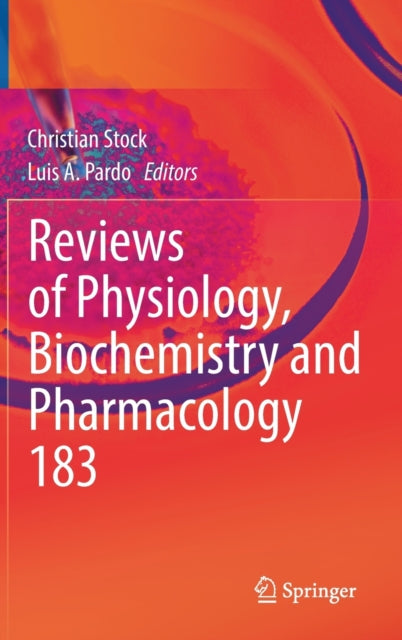
Targets of Cancer Diagnosis and Treatment: Ion Transport in Tumor Biology
Targets of Cancer Diagnosis and Treatment: Ion Transport in Tumor Biology
💎 Earn 495 Points (£4.95) on this item.
We can order this item for you. Delivery usually takes about 4 to 6 weeks.
This item is not held in our immediate stock. We will order it for you after checkout.
Estimated delivery: About 4 to 6 weeks
YOU SAVE £20.88
- Condition: Brand new
- UK Delivery times: Usually arrives within 2 - 3 working days
- UK Shipping: Fee starts at £2.39. Subject to product weight & dimension
Bulk ordering. Want 15 or more copies? Get a personalised quote and bigger discounts. Learn more about bulk orders.
Couldn't load pickup availability
- More about Targets of Cancer Diagnosis and Treatment: Ion Transport in Tumor Biology
The third and final volume in the Ion Transport in Tumor Biology collection explores novel diagnostic and therapeutic approaches in cancer by targeting ion transport proteins. It discusses the suitability of transportome members as therapeutic targets, the potential of combining cytostatics with ion transport-inhibiting drugs, and the use of bispecific antibodies as anticancer drugs. The volume also highlights the use of ion channel inhibitors to improve the outcome of radiotherapy and bridges biochemical research and therapeutic application.
Format: Hardback
Length: 277 pages
Publication date: 06 May 2022
Publisher: Springer International Publishing AG
This third and final volume in the Ion Transport in Tumor Biology collection presents novel diagnostic and therapeutic approaches in cancer based on the exploitation of ion transport proteins. The authors critically examine several transportome members, particularly Na + ,K + ,Ca 2+ ,and Cl - channels, as well as organic solute carriers regarding their suitability as therapeutic targets. Synergistic effects resulting from the combined use of classical cytostatics with ion transport-inhibiting drugs are pointed out, and the capability of bispecific antibodies to function as anticancer drugs is discussed. As readers will also learn, the use of ion channel inhibitors could improve the outcome of radiotherapy because the development of radio-resistance during radiotherapeutic treatment often correlates with increases in the expression levels and conductance of ion channels. The translational topics of this volume form a bridge between biochemical research and therapeutic application. As part of a three-volume collection, this book will fascinate members of the active research community, as well as clinicians in the cancer field.
Introduction:
The exploitation of ion transport proteins for the development of novel diagnostic and therapeutic approaches in cancer has gained significant attention in recent years. This third and final volume in the Ion Transport in Tumor Biology collection focuses on this emerging field, presenting cutting-edge research that explores the potential of ion transport proteins as therapeutic targets. The authors critically examine various transportome members, including Na + ,K + ,Ca 2+ ,and Cl - channels, as well as organic solute carriers, in terms of their suitability as therapeutic agents.
Therapeutic Targeting of Ion Transport Proteins:
The authors delve into the potential of ion transport proteins as therapeutic targets, emphasizing their role in cancer development and progression. They discuss the suitability of these proteins as drug targets, considering their expression patterns, cellular localization, and functional roles in tumor cells. The authors highlight the importance of understanding the molecular mechanisms underlying ion transport processes in cancer to develop effective therapeutic strategies.
Synergy between Classical Cytostatics and Ion Transport Inhibitors:
One of the key themes of this volume is the synergistic effects resulting from the combined use of classical cytostatics with ion transport-inhibiting drugs. The authors explore the potential of these combinations to enhance the efficacy of cancer treatment and overcome drug resistance. They discuss the mechanisms by which ion transport inhibitors can modulate the activity of chemotherapy drugs, improve their delivery to tumor cells, and enhance their anticancer effects.
Bispecific Antibodies as Anticancer Drugs:
Another important aspect of this volume is the discussion of bispecific antibodies as anticancer drugs. Bispecific antibodies are engineered molecules that bind to two distinct targets on tumor cells, enabling simultaneous targeting of multiple signaling pathways. The authors explore the use of bispecific antibodies in cancer therapy, including their potential to target cancer cells while sparing normal cells, reducing side effects, and enhancing the efficacy of cancer treatment.
Improving the Outcome of Radiotherapy with Ion Channel Inhibitors:
The use of ion channel inhibitors could improve the outcome of radiotherapy because the development of radio-resistance during radiotherapeutic treatment often correlates with increases in the expression levels and conductance of ion channels. The authors discuss the potential of ion channel inhibitors to enhance the sensitivity of tumor cells to radiotherapy, reduce the risk of side effects, and improve the overall effectiveness of cancer treatment.
Translational Topics:
The translational topics of this volume form a bridge between biochemical research and therapeutic application. The authors discuss the challenges and opportunities in translating ion transport-based therapies from the laboratory to the clinical setting. They highlight the importance of preclinical studies, clinical trials, and regulatory approvals in the development and commercialization of ion transport-based therapies.
Conclusion:
In conclusion, this third and final volume in the Ion Transport in Tumor Biology collection presents novel diagnostic and therapeutic approaches in cancer based on the exploitation of ion transport proteins. The authors critically examine several transportome members, particularly Na + ,K + ,Ca 2+ ,and Cl - channels, as well as organic solute carriers, regarding their suitability as therapeutic targets. The combined use of classical cytostatics with ion transport-inhibiting drugs, the potential of bispecific antibodies as anticancer drugs, and the use of ion channel inhibitors to improve the outcome of radiotherapy are discussed in detail. The translational topics of this volume form a bridge between biochemical research and therapeutic application, making it an invaluable resource for members of the active research community, as well as clinicians in the cancer field.
Weight: 600g
Dimension: 235 x 155 (mm)
ISBN-13: 9783031039935
Edition number: 1st ed. 2022
This item can be found in:
UK and International shipping information
UK and International shipping information
UK Delivery and returns information:
- Delivery within 2 - 3 days when ordering in the UK.
- Shipping fee for UK customers from £2.39. Fully tracked shipping service available.
- Returns policy: Return within 30 days of receipt for full refund.
International deliveries:
Shulph Ink now ships to Australia, Belgium, Canada, France, Germany, Ireland, Italy, India, Luxembourg Saudi Arabia, Singapore, Spain, Netherlands, New Zealand, United Arab Emirates, United States of America.
- Delivery times: within 5 - 10 days for international orders.
- Shipping fee: charges vary for overseas orders. Only tracked services are available for most international orders. Some countries have untracked shipping options.
- Customs charges: If ordering to addresses outside the United Kingdom, you may or may not incur additional customs and duties fees during local delivery.