Shulph Ink
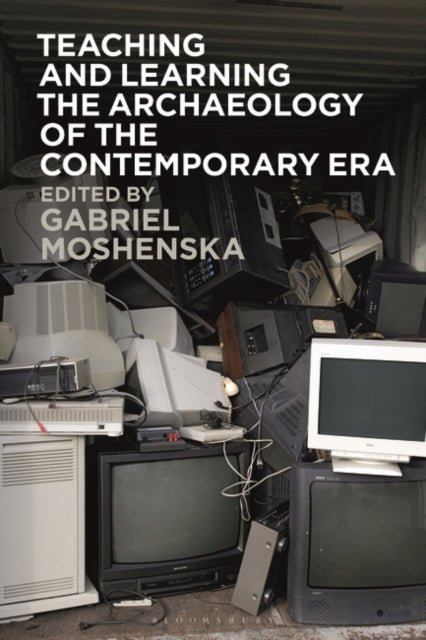
Teaching and Learning the Archaeology of the Contemporary Era
Teaching and Learning the Archaeology of the Contemporary Era
💎 Earn 115 Points (£1.15) on this item.
YOU SAVE £2.99
- Condition: Brand new
- UK Delivery times: Usually arrives within 2 - 3 working days
- UK Shipping: Fee starts at £3.89. Subject to product weight & dimension
Bulk ordering. Want 15 or more copies? Get a personalised quote and bigger discounts. Learn more about bulk orders.
Couldn't load pickup availability
- More about Teaching and Learning the Archaeology of the Contemporary Era
Archaeology is not just for studying the past, but also for understanding the modern world. This book provides an overview of pioneering practices in contemporary archaeology, offering a resource for teachers and students to explore how interdisciplinarity, practical work, and radical pedagogies can be used to examine our 20th- and 21st-century existence and shape our collective future.
Format: Paperback / softback
Length: 264 pages
Publication date: 11 January 2024
Publisher: Bloomsbury Publishing PLC
Archaeology is a fascinating field that has been used to study past people and societies for centuries. However, in recent years, a growing number of archaeologists have turned their attention to the modern world. This book provides an overview of these pioneering practices through a specifically pedagogical lens, fostering an appreciation of the diversity and distinctiveness of contemporary archaeology and providing an evidence base for course proposals and curriculum design.
While research in the field of archaeology is well established and vibrant, making critical contributions to wider debates around issues such as homelessness, migration, and the refugee crisis, and legacies of war and conflict, the teaching of contemporary archaeology in universities has until recently been relatively limited. This selection of carefully curated case studies from as far afield as Orkney, Iran, and the USA is intended as a resource and an inspiration for both teachers and students, presenting a set of tools and practices to borrow, modify, and apply in new contexts. It demonstrates how interdisciplinarity, practical work, and radical pedagogies are of value not only for archaeology but also for fields such as history, geography, and anthropology, and suggests new ways in which we can examine our 20th- and 21st-century existence and shape our collective future.
The tools and techniques of archaeology were designed for the study of past people and societies, but for more than a century, a growing number of archaeologists have turned these same tools to the study of the modern world. This book offers an overview of these pioneering practices through a specifically pedagogical lens, fostering an appreciation of the diversity and distinctiveness of contemporary archaeology and providing an evidence base for course proposals and curriculum design.
Although research in the field is well established and vibrant, making critical contributions to wider debates around issues such as homelessness, migration, and the refugee crisis, and legacies of war and conflict, the teaching of contemporary archaeology in universities has until recently been relatively limited in comparison. This selection of carefully curated case studies from as far afield as Orkney, Iran, and the USA is intended as a resource and an inspiration for both teachers and students, presenting a set of tools and practices to borrow, modify, and apply in new contexts. It demonstrates how interdisciplinarity, practical work, and radical pedagogies are of value not only for archaeology but also for fields such as history, geography, and anthropology, and suggests new ways in which we can examine our 20th- and 21st-century existence and shape our collective future.
Archaeology is a fascinating field that has been used to study past people and societies for centuries. However, in recent years, a growing number of archaeologists have turned their attention to the modern world. This book provides an overview of these pioneering practices through a specifically pedagogical lens, fostering an appreciation of the diversity and distinctiveness of contemporary archaeology and providing an evidence base for course proposals and curriculum design.
While research in the field of archaeology is well established and vibrant, making critical contributions to wider debates around issues such as homelessness, migration, and the refugee crisis, and legacies of war and conflict, the teaching of contemporary archaeology in universities has until recently been relatively limited. This selection of carefully curated case studies from as far afield as Orkney, Iran, and the USA is intended as a resource and an inspiration for both teachers and students, presenting a set of tools and practices to borrow, modify, and apply in new contexts. It demonstrates how interdisciplinarity, practical work, and radical pedagogies are of value not only for archaeology but also for fields such as history, geography, and anthropology, and suggests new ways in which we can examine our 20th- and 21st-century existence and shape our collective future.
The tools and techniques of archaeology were designed for the study of past people and societies, but for more than a century, a growing number of archaeologists have turned these same tools to the study of the modern world. This book offers an overview of these pioneering practices through a specifically pedagogical lens, fostering an appreciation of the diversity and distinctiveness of contemporary archaeology and providing an evidence base for course proposals and curriculum design.
Although research in the field is well established and vibrant, making critical contributions to wider debates around issues such as homelessness, migration, and the refugee crisis, and legacies of war and conflict, the teaching of contemporary archaeology in universities has until recently been relatively limited in comparison. This selection of carefully curated case studies from as far afield as Orkney, Iran, and the USA is intended as a resource and an inspiration for both teachers and students, presenting a set of tools and practices to borrow, modify, and apply in new contexts. It demonstrates how interdisciplinarity, practical work, and radical pedagogies are of value not only for archaeology but also for fields such as history, geography, and anthropology, and suggests new ways in which we can examine our 20th- and 21st-century existence and shape our collective future.
Archaeology is a fascinating field that has been used to study past people and societies for centuries. However, in recent years, a growing number of archaeologists have turned their attention to the modern world. This book provides an overview of these pioneering practices through a specifically pedagogical lens, fostering an appreciation of the diversity and distinctiveness of contemporary archaeology and providing an evidence base for course proposals and curriculum design.
While research in the field of archaeology is well established and vibrant, making critical contributions to wider debates around issues such as homelessness, migration, and the refugee crisis, and legacies of war and conflict, the teaching of contemporary archaeology in universities has until recently been relatively limited. This selection of carefully curated case studies from as far afield as Orkney, Iran, and the USA is intended as a resource and an inspiration for both teachers and students, presenting a set of tools and practices to borrow, modify, and apply in new contexts. It demonstrates how interdisciplinarity, practical work, and radical pedagogies are of value not only for archaeology but also for fields such as history, geography, and anthropology, and suggests new ways in which we can examine our 20th- and 21st-century existence and shape our collective future.
Weight: 418g
Dimension: 156 x 234 x 17 (mm)
ISBN-13: 9781350335622
UK and International shipping information
UK and International shipping information
We deliver throughout the United Kingdom and to 128 countries and territories worldwide, including the United States, Australia, Canada, Germany, Spain and France.