Shulph Ink
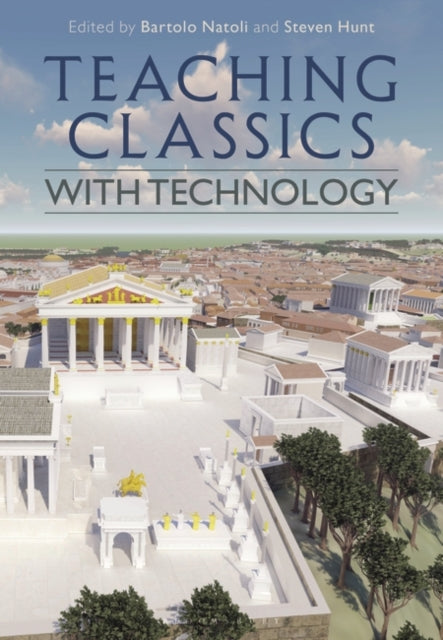
Teaching Classics with Technology
Teaching Classics with Technology
💎 Earn 107 Points (£1.07) on this item.
YOU SAVE £6.53
- Condition: Brand new
- UK Delivery times: Usually arrives within 2 - 3 working days
- UK Shipping: Fee starts at £2.39. Subject to product weight & dimension
Bulk ordering. Want 15 or more copies? Get a personalised quote and bigger discounts. Learn more about bulk orders.
Couldn't load pickup availability
- More about Teaching Classics with Technology
The impact of ICT on the teaching of classical languages, literature, and culture has been extensively described and evaluated, with educational technology making a huge difference to the ways in which Classics is taught at junior, senior, and college level. The book brings together twenty major approaches to the use of technology in the classroom and presents them for a wide, international audience, promoting further discussion and use among practitioners and offering suggestions for changes in pedagogical practices. Examples of practice from both UK and US perspectives are applicable to countries throughout the world where Classics is being taught, and the book offers school teachers a vital resource as they adapt to this use of educational technology. It also offers lecturers frameworks for understanding and assimilating the models of teaching and learning which are prevalent in schools and experienced by their students.
Format: Paperback / softback
Length: 264 pages
Publication date: 13 June 2019
Publisher: Bloomsbury Publishing PLC
The impact of ICT on the teaching of classical languages, literature, and culture has not been extensively described and evaluated, but educational technology has made a significant difference in the ways that Classics are taught at junior, senior, and college levels. The book brings together twenty major approaches to the use of technology in the classroom and presents them for a wide, international audience. It thus forms a record of current and developing practice, promotes further discussion and use among practitioners (teachers, learners, and trainers), and offers suggestions for changes in pedagogical practices in the teaching of Classics for the better.
The many examples of practice from both UK and US perspectives are applicable to countries throughout the world where Classics is being taught. The more traditional curricula of high-school education in the UK and Europe are drawing more and more on edutech, whereas educational jurisdictions in the US are increasingly expecting high-school students to use ICT in all lessons, with some actively dissuading schools from using traditional printed textbooks. This book presents school teachers with a vital resource as they adapt to this use of educational technology in Classics teaching. This is no less pertinent at university level, in the UK and US, where pedagogy tends to follow traditionalist paradigms: this book offers lecturers frameworks for understanding and assimilating the models of teaching and learning which are prevalent in schools and experienced by their students.
The book begins with an overview of the history of ICT in education, including the development of educational software, the Internet, and mobile devices. It then discusses the various ways in which ICT can be used in the classroom, including interactive whiteboards, multimedia presentations, online resources, and social media. Each approach is described in detail, with examples of how it has been used successfully in the teaching of Classics.
One of the key benefits of ICT in the teaching of Classics is that it can help to engage students in the material. Interactive whiteboards, for example, can allow students to interact with the material in a more interactive and engaging way, while multimedia presentations can provide visual and auditory stimuli that can help to enhance understanding. Online resources, such as online dictionaries, encyclopedias, and databases, can provide students with access to a vast amount of information that can help them to research their topics. Social media, such as Twitter and Facebook, can provide students with a platform to connect with other students and with experts in the field, which can help to foster a sense of community and collaboration.
However, there are also some challenges associated with the use of ICT in the teaching of Classics. One of the main challenges is the need to ensure that students are using ICT in a responsible and ethical manner. This includes ensuring that students are not accessing inappropriate content, that they are not plagiarizing, and that they are not using ICT to cheat on exams. Teachers must also be aware of the potential for ICT to be a source of distraction for students, and must take steps to ensure that students are focused on their work.
Another challenge associated with the use of ICT in the teaching of Classics is the need to ensure that students are developing the necessary skills and knowledge to use ICT effectively. This includes teaching students how to use software, how to navigate the Internet, and how to use social media. Teachers must also be aware of the potential for ICT to be a source of inequality, and must take steps to ensure that all students have access to the necessary resources.
To address these challenges, the book offers a range of suggestions for changes in pedagogical practices in the teaching of Classics. These suggestions include the use of blended learning, the use of project-based learning, and the use of gamification. Blended learning involves combining traditional classroom teaching with online learning, while project-based learning involves students working on a project that requires them to use ICT. Gamification involves using game-like elements to engage students in the material.
In addition to these suggestions, the book also offers a range of resources for teachers and students. These resources include a list of recommended software, a list of recommended online resources, and a list of recommended social media platforms. The book also includes a chapter on the ethical use of ICT in the teaching of Classics, which provides teachers with guidance on how to ensure that students are using ICT in a responsible and ethical manner.
Overall, the book presents a comprehensive overview of the impact of ICT on the teaching of classical languages, literature, and culture. It provides a range of examples of practice from both UK and US perspectives, and offers a range of suggestions for changes in pedagogical practices in the teaching of Classics for the better. Whether you are a school teacher, a university lecturer, or a student, this book is a valuable resource that will help you to understand and use ICT effectively in the teaching of Classics.
Weight: 464g
Dimension: 242 x 170 x 15 (mm)
ISBN-13: 9781350110939
UK and International shipping information
UK and International shipping information
UK Delivery and returns information:
- Delivery within 2 - 3 days when ordering in the UK.
- Shipping fee for UK customers from £2.39. Fully tracked shipping service available.
- Returns policy: Return within 30 days of receipt for full refund.
International deliveries:
Shulph Ink now ships to Australia, Belgium, Canada, France, Germany, Ireland, Italy, India, Luxembourg Saudi Arabia, Singapore, Spain, Netherlands, New Zealand, United Arab Emirates, United States of America.
- Delivery times: within 5 - 10 days for international orders.
- Shipping fee: charges vary for overseas orders. Only tracked services are available for most international orders. Some countries have untracked shipping options.
- Customs charges: If ordering to addresses outside the United Kingdom, you may or may not incur additional customs and duties fees during local delivery.