Shulph Ink
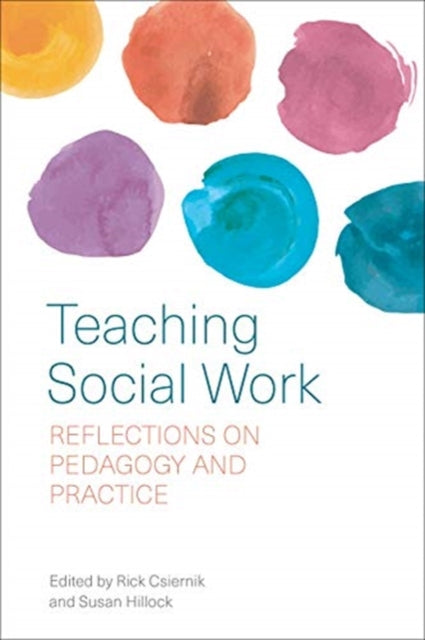
Teaching Social Work: Reflections on Pedagogy and Practice
Teaching Social Work: Reflections on Pedagogy and Practice
💎 Earn 169 Points (£1.69) on this item.
YOU SAVE £4.08
- Condition: Brand new
- UK Delivery times: Usually arrives within 2 - 3 working days
- UK Shipping: Fee starts at £2.39. Subject to product weight & dimension
Bulk ordering. Want 15 or more copies? Get a personalised quote and bigger discounts. Learn more about bulk orders.
Couldn't load pickup availability
- More about Teaching Social Work: Reflections on Pedagogy and Practice
Social work education can be transformative, raising consciousness and producing social change. Understanding oppression and its impact on vulnerable individuals and groups is essential. This book provides a framework for social work educators to reflect on their teaching methods and what works best for the discipline.
Format: Hardback
Length: 304 pages
Publication date: 21 December 2020
Publisher: University of Toronto Press
Social work education holds immense potential to be transformative, fostering consciousness-raising and driving social change while instilling hope in students for the creation of more just systems. To effectively prepare educators for the critical, complex, and multifaceted role of teaching social work, it is essential to have a comprehensive understanding of oppression, its diverse manifestations, and its differential impact on vulnerable individuals and groups.
Most social work instructors acquire their teaching skills through a combination of trial and error, incorporating their personal style, experiences, and preferences into their teaching approach. While some institutions offer formal programs of education and instruction, these often focus on theoretical knowledge and technical skills rather than equipping educators with the best practices for teaching social work.
This book aims to address the complex and ever-evolving field of social work education, bringing together thirty experienced professors and practitioners who teach in Bachelor of Social Work (BSW), Master of Social Work (MSW), and Ph.D. programs. Through their collective expertise, the contributors create a comprehensive framework for social work educators to reflect on their teaching practices, explore the reasons behind their teaching approaches, and identify the most effective strategies for teaching in the discipline of social work.
In the first chapter, the book explores the historical context of social work education, tracing its evolution from its early roots in philanthropy and charity to its current focus on social justice and advocacy. The chapter highlights the importance of social work education in addressing social inequality, poverty, and oppression, and emphasizes the need for educators to be aware of the historical and systemic factors that contribute to these issues.
The second chapter delves into the theoretical foundations of social work education, exploring the various theories and models that inform social work practice. The contributors discuss the relevance of these theories to teaching social work, emphasizing the importance of integrating theory with practice to provide students with a comprehensive understanding of the field.
Chapter three explores the role of educators in social work education, discussing the responsibilities and challenges of teaching in the field. The chapter highlights the importance of creating a safe and inclusive learning environment, promoting diversity and inclusion, and fostering critical thinking and problem-solving skills in students.
Chapter four examines the teaching methods and strategies used in social work education, including classroom instruction, field placements, and online learning. The contributors discuss the advantages and disadvantages of each method, and provide examples of effective teaching practices that can engage and inspire students.
Chapter five explores the assessment and evaluation of social work education, discussing the various methods and tools used to measure student learning and development. The chapter emphasizes the importance of feedback and evaluation in improving teaching practices and ensuring student success.
Chapter six explores the challenges and opportunities facing social work education in the 21st century, including the need for greater diversity and inclusion, the impact of technology on teaching and learning, and the challenges of addressing the complex needs of vulnerable populations. The chapter provides insights and recommendations for educators and practitioners to navigate these challenges and ensure the continued success of social work education.
Chapter seven concludes the book
Social work education has the potential to be transformative, consciousness-raising, and to produce social change while inspiring hope in students for the creation of more just systems. An understanding of oppression, its diverse manifestations, and its differential impact on vulnerable individuals and groups is essential to contemporary social work education. What then is the best manner in which to prepare educators for the immensely important, complex, and multidimensional role as teacher of social work?
Most social work instructors learn to teach through trial and error, bringing their own style, experiences, and preferences to the endeavour rather than having a formal program of education and instruction on how to best educate and instruct. This book addresses the complex and uncertain field of social work education, gathering together thirty experienced professors and practitioners who teach in BSW, MSW, and PhD programs. Together, the contributors create a framework for social work educators.
Social work education holds immense potential to be transformative, fostering consciousness-raising and driving social change while instilling hope in students for the creation of more just systems. To effectively prepare educators for the critical, complex, and multifaceted role of teaching social work, it is essential to have a comprehensive understanding of oppression, its diverse manifestations, and its differential impact on vulnerable individuals and groups.
Most social work instructors acquire their teaching skills through a combination of trial and error, incorporating their personal style, experiences, and preferences into their teaching approach. While some institutions offer formal programs of education and instruction, these often focus on theoretical knowledge and technical skills rather than equipping educators with the best practices for teaching social work.
This book aims to address the complex and ever-evolving field of social work education, bringing together thirty experienced professors and practitioners who teach in Bachelor of Social Work (BSW), Master of Social Work (MSW), and Ph.D. programs. Through their collective expertise, the contributors create a comprehensive framework for social work educators to reflect on their teaching practices, explore the reasons behind their teaching approaches, and identify the most effective strategies for teaching in the discipline of social work.
In the first chapter, the book explores the historical context of social work education, tracing its evolution from its early roots in philanthropy and charity to its current focus on social justice and advocacy. The chapter highlights the importance of social work education in addressing social inequality, poverty, and oppression, and emphasizes the need for educators to be aware of the historical and systemic factors that contribute to these issues.
The second chapter delves into the theoretical foundations of social work education, exploring the various theories and models that inform social work practice. The contributors discuss the relevance of these theories to teaching social work, emphasizing the importance of integrating theory with practice to provide students with a comprehensive understanding of the field.
Chapter three explores the role of educators in social work education, discussing the responsibilities and challenges of teaching in the field. The chapter highlights the importance of creating a safe and inclusive learning environment, promoting diversity and inclusion, and fostering critical thinking and problem-solving skills in students.
Chapter four examines the teaching methods and strategies used in social work education, including classroom instruction, field placements, and online learning. The contributors discuss the advantages and disadvantages of each method, and provide examples of effective teaching practices that can engage and inspire students.
Chapter five explores the assessment and evaluation of social work education, discussing the various methods and tools used to measure student learning and development. The chapter emphasizes the importance of feedback and evaluation in improving teaching practices and ensuring student success.
Chapter six explores the challenges and opportunities facing social work education in the 21st century, including the need for greater diversity and inclusion, the impact of technology on teaching and learning, and the challenges of addressing the complex needs of vulnerable populations. The chapter provides insights and recommendations for educators and practitioners to navigate these challenges and ensure the continued success of social work education.
Chapter seven concludes the book.
Weight: 630g
Dimension: 169 x 236 x 30 (mm)
ISBN-13: 9781487503826
This item can be found in:
UK and International shipping information
UK and International shipping information
UK Delivery and returns information:
- Delivery within 2 - 3 days when ordering in the UK.
- Shipping fee for UK customers from £2.39. Fully tracked shipping service available.
- Returns policy: Return within 30 days of receipt for full refund.
International deliveries:
Shulph Ink now ships to Australia, Belgium, Canada, France, Germany, Ireland, Italy, India, Luxembourg Saudi Arabia, Singapore, Spain, Netherlands, New Zealand, United Arab Emirates, United States of America.
- Delivery times: within 5 - 10 days for international orders.
- Shipping fee: charges vary for overseas orders. Only tracked services are available for most international orders. Some countries have untracked shipping options.
- Customs charges: If ordering to addresses outside the United Kingdom, you may or may not incur additional customs and duties fees during local delivery.