HenryStaten
Techne Theory: A New Language for Art
Techne Theory: A New Language for Art
💎 Earn 107 Points (£1.07) on this item.
We can order this item for you. Delivery usually takes about 4 to 6 weeks.
This item is not held in our immediate stock. We will order it for you after checkout.
Estimated delivery: About 4 to 6 weeks
YOU SAVE £4.53
- Condition: Brand new
- UK Delivery times: Usually arrives within 2 - 3 working days
- UK Shipping: Fee starts at £2.39. Subject to product weight & dimension
Bulk ordering. Want 15 or more copies? Get a personalised quote and bigger discounts. Learn more about bulk orders.
Couldn't load pickup availability
- More about Techne Theory: A New Language for Art
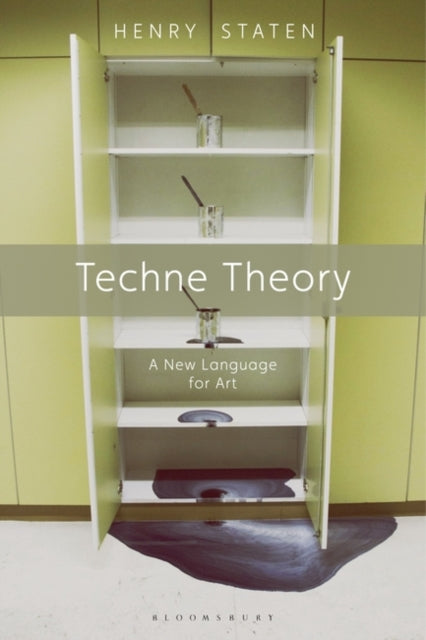
The concept of art as an ineffable aesthetic quality and the art-maker as endowed with an inexplicable power of creation has been prevalent since the Romantic period. However, the Techne Theory proposes that art should be understood as techne, the skill and know-how by which things and states of affairs are ordered. This returns to the original sense of art as a form of work performed by an artisan who has inherited the know-how of previous generations. It cuts through the humanist-structuralist impasse over the question of artistic agency and explains what form really means.
\n Format: Paperback / softback
\n Length: 216 pages
\n Publication date: 21 February 2019
\n Publisher: Bloomsbury Publishing PLC
\n
From the dawn of civilization to the Romantic era, art was perceived as a mere technical skill, devoid of any inherent aesthetic value. It was believed that artists possessed a mysterious power of creation, but the underlying mechanisms behind their craft remained shrouded in mystery. However, a transformative shift occurred during the Romantic period, when art began to be perceived as an ethereal manifestation of the divine. Poets, painters, and sculptors were no longer seen as mere artisans, but as visionaries who possessed the ability to tap into the deepest recesses of the human soul.
This newfound appreciation for art as an aesthetic experience led to a profound reevaluation of the artist's role. Artists were now seen as individuals with a unique perspective and a profound understanding of the human condition. They were believed to possess the power to evoke emotions, challenge societal norms, and inspire awe and wonder in their audiences.
The Romantic era also saw the emergence of the concept of artistic agency, which challenged the traditional notion that art was solely the product of the artist's intellect and skill. Artists were now seen as active participants in the creative process, who were able to shape and influence their work in unique and profound ways.
This shift in perspective led to a renewed interest in the study of art history and aesthetics. Scholars began to explore the works of artists from different cultures and periods, seeking to understand the underlying themes and messages that they were trying to convey. They also began to develop new theories and frameworks for analyzing and interpreting art, which challenged the traditional methods of art criticism.
One of the most influential theories of the Romantic era was the concept of art as techne, which was developed by the Greek philosopher Aristotle. According to this theory, art is not a magical or supernatural force, but a form of work performed by an artisan who has inherited the know-how of previous generations of artisans. Art is a skill that requires training, practice, and mastery, and it is a means of expressing the artist's unique perspective and understanding of the world.
The concept of art as techne was embraced by the Romantic era's artists, who saw it as a way of reclaiming the power and prestige of the artist's craft. They sought to create works that were not merely decorative or ornamental, but that had a deeper meaning and significance. They sought to challenge the traditional hierarchies of art and to create works that were accessible to all people, regardless of their social status or education.
One of the most notable examples of art as techne in the Romantic era is the work of the French painter Gustave Courbet. Courbet's paintings were characterized by their raw and unflinching realism, which challenged the traditional conventions of art and society. He depicted the working class and peasantry in their everyday lives, and he refused to shy away from the ugly and the controversial.
Courbet's work was met with fierce criticism from the art establishment, which saw it as a threat to the established order. However, his refusal to compromise his artistic vision and his commitment to social justice and equality ultimately led to his success and fame.
In conclusion, the Romantic era's perception of art as an aesthetic experience and the artist as endowed with an inexplicable power of creation marked a significant shift in the way of thinking about art. This shift in perspective led to a renewed interest in the study of art history and aesthetics, and it paved the way for the development of new theories and frameworks for analyzing and interpreting art. The concept of art as techne, developed by Aristotle, was one of the most influential theories of the Romantic era, and it helped to reclaim the power and prestige of the artist's craft.
\n Weight: 366g\n
Dimension: 158 x 235 x 15 (mm)\n
ISBN-13: 9781472592903\n \n
UK and International shipping information
UK and International shipping information
UK Delivery and returns information:
- Delivery within 2 - 3 days when ordering in the UK.
- Shipping fee for UK customers from £2.39. Fully tracked shipping service available.
- Returns policy: Return within 30 days of receipt for full refund.
International deliveries:
Shulph Ink now ships to Australia, Belgium, Canada, France, Germany, Ireland, Italy, India, Luxembourg Saudi Arabia, Singapore, Spain, Netherlands, New Zealand, United Arab Emirates, United States of America.
- Delivery times: within 5 - 10 days for international orders.
- Shipping fee: charges vary for overseas orders. Only tracked services are available for most international orders. Some countries have untracked shipping options.
- Customs charges: If ordering to addresses outside the United Kingdom, you may or may not incur additional customs and duties fees during local delivery.