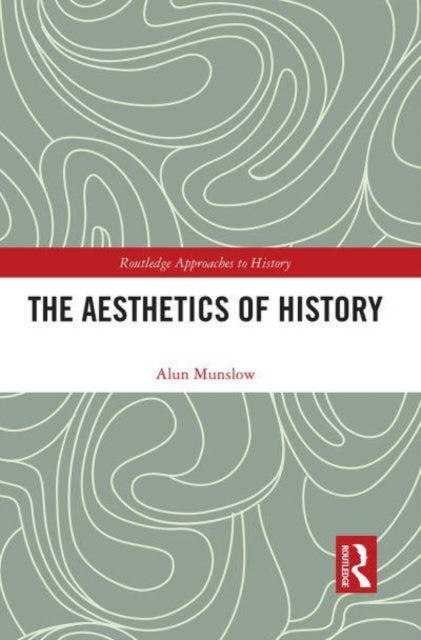
Alun Munslow
The Aesthetics of History
The Aesthetics of History
We can order this item for you. Delivery usually takes about 4 to 6 weeks.
This item is not held in our immediate stock. We will order it for you after checkout.
Estimated delivery: About 4 to 6 weeks
YOU SAVE £4.22
- Condition: Brand new
- UK Delivery times: Usually arrives within 2 - 3 working days
- UK Shipping: Fee starts at £3.89. Subject to product weight & dimension
Bulk ordering. Want 15 or more copies? Get a personalised quote and bigger discounts. Learn more about bulk orders.
Couldn't load pickup availability
- More about The Aesthetics of History
This book explores the aesthetics of historying through the concepts of fabricated, factitious, factional, factious, factitive, factive, factualist, fictitious, fictive, and figurative, which create connections between the past and rethink the nature of the historical past. Different forms of histories shape the minds of historians and history readers, leading to a different experience of the history past aesthetic.
Format: Paperback / softback
Length: 204 pages
Publication date: 29 August 2022
Publisher: Taylor & Francis Ltd
This comprehensive book delves into the intricate realm of aesthetics in the context of historical storytelling, exploring a range of concepts and processes that shape the way we perceive and interpret the past. Through the lens of fabricated, factitious, factional, factious, factitive, factive, factualist, fictitious, fictive, and figurative, it establishes the connections between the past and the present, challenging our understanding of the historical past. The book offers a rich tapestry of historical forms, each shaping the minds of historians as they deploy their historical imaginations through the past(s) via their preferred history creations. As such, the experience of the history past aesthetic varies greatly for both historians and history readers, creating a unique and personal interpretation of the past.
Introduction:
In the realm of historical storytelling, aesthetics play a vital role in shaping our understanding and interpretation of the past. The way we perceive and engage with historical narratives can have a profound impact on our understanding of history itself. This book aims to explore the aesthetics of historying through a range of specific concepts and processes, including fabricated, factitious, factional, factious, factitive, factive, factualist, fictitious, fictive, and figurative. By examining these concepts, we will delve into the connections between the past and the present, challenging our preconceived notions of the historical past.
Fabricated:
Fabricated refers to the creation of historical narratives that are intentionally false or misleading. These narratives may be constructed to serve a particular political or ideological agenda, or they may be designed to entertain or engage the reader. Fabricated histories can be found in a variety of forms, including historical fiction, historical documentaries, and historical films. While these narratives may be entertaining, they can also distort our understanding of the past by presenting a skewed or inaccurate portrayal of events and people.
Factitious:
Factitious refers to the creation of historical narratives that are based on factual events, but which are presented in a way that is designed to evoke a particular emotional response or to create a particular narrative arc. These narratives may be influenced by popular culture, historical myths, or personal biases. Factitious histories can be found in a variety of forms, including historical fiction, historical documentaries, and historical films. While these narratives may be engaging, they can also distort our understanding of the past by presenting a one-sided or incomplete portrayal of events and people.
Factional:
Factional refers to the creation of historical narratives that are based on the perspectives of specific groups or individuals. These narratives may be influenced by political, social, or cultural factors. Factional histories can be found in a variety of forms, including historical fiction, historical documentaries, and historical films. While these narratives may provide a valuable insight into the experiences of specific groups or individuals, they can also distort our understanding of the past by presenting a limited or biased portrayal of events and people.
Factious:
Factious refers to the creation of historical narratives that are based on a mixture of factual and fictional elements. These narratives may be designed to entertain or engage the reader, or they may be designed to convey a particular political or ideological message. Factious histories can be found in a variety of forms, including historical fiction, historical documentaries, and historical films. While these narratives may be entertaining, they can also distort our understanding of the past by presenting a hybrid or conflicting portrayal of events and people.
Factitive:
Factitive refers to the creation of historical narratives that are based on a rigorous analysis of historical evidence and primary sources. These narratives may be designed to provide a detailed and accurate portrayal of the past, or they may be designed to explore a particular historical theme or question. Factitive histories can be found in a variety of forms, including historical non-fiction, historical monographs, and historical journals. While these narratives may be informative, they can also be challenging to read and interpret, particularly for those who are not familiar with the historical literature.
Factive:
Factive refers to the creation of historical narratives that are designed to engage the reader through a combination of narrative and interactive elements. These narratives may include multimedia elements, such as photographs, videos, or interactive maps, or they may include interactive elements, such as quizzes or quizzes. Factive histories can be found in a variety of forms, including historical fiction, historical documentaries, and historical games. While these narratives may be engaging, they can also be distracting or overwhelming for the reader, particularly if they are not designed well.
Factualist:
Factualist refers to the creation of historical narratives that are designed to provide a detailed and accurate portrayal of the past. These narratives may be influenced by a particular historical ideology or perspective, but they are designed to present a balanced and objective portrayal of events and people. Factualist histories can be found in a variety of forms, including historical non-fiction, historical monographs, and historical journals. While these narratives may be informative, they can also be dry or difficult to read, particularly for those who are not interested in the historical literature.
Fictitious:
Fictitious refers to the creation of historical narratives that are entirely fictional or imaginative. These narratives may be based on historical events or people, but they are not designed to provide a realistic or accurate portrayal of the past. Fictitious histories can be found in a variety of forms, including historical fiction, historical documentaries, and historical films. While these narratives may be entertaining, they can also distort our understanding of the past by presenting a fantasy or unrealistic portrayal of events and people.
Fictive:
Fictive refers to the creation of historical narratives that are designed to evoke a particular emotional response or to create a particular narrative arc. These narratives may be influenced by popular culture, historical myths, or personal biases. Fictitious histories can be found in a variety of forms, including historical fiction, historical documentaries, and historical films. While these narratives may be engaging, they can also distort our understanding of the past by presenting a one-sided or incomplete portrayal of events and people.
Figurative:
Figurative refers to the use of language and imagery to create a vivid and evocative portrayal of the past. These narratives may be influenced by a particular historical ideology or perspective, but they are designed to convey a deeper meaning or understanding of the past. Figurative histories can be found in a variety of forms, including historical fiction, historical documentaries, and historical films. While these narratives may be challenging to read or interpret, they can also provide a unique and powerful way of understanding the past.
Conclusion:
In conclusion, the aesthetics of historying are a complex and multifaceted field that encompasses a range of concepts and processes. From fabricated to factitious, factional to factious, factitive to factive, factualist to fictitious, fictive to fictitious, and figurative to figurative, these concepts and processes shape the way we perceive and interpret the past. By exploring these concepts and processes, we can gain a deeper understanding of the historical past and its impact on the present. This understanding can help us to better appreciate the complexities and nuances of history, and to develop a more nuanced and informed perspective on the world around us.
Weight: 304g
Dimension: 227 x 151 x 18 (mm)
ISBN-13: 9781032401119
UK and International shipping information
UK and International shipping information
We deliver throughout the United Kingdom and to 128 countries and territories worldwide, including the United States, Australia, Canada, Germany, Spain and France.