Kathryn Vercillo
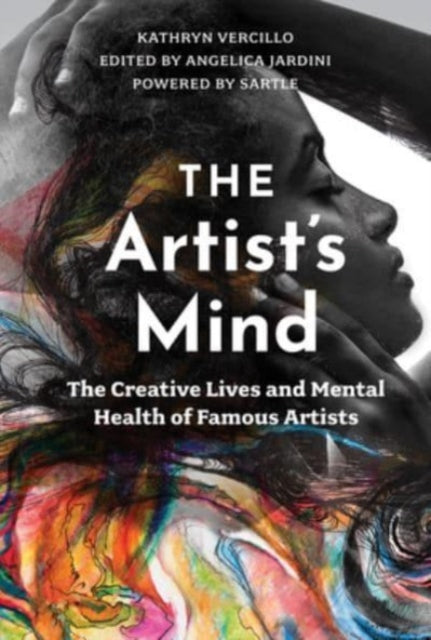
The Artist's Mind: The Creative Lives and Mental Health of Famous Artists
The Artist's Mind: The Creative Lives and Mental Health of Famous Artists
💎 Earn 81 Points (£0.81) on this item.
YOU SAVE £6.72
- Condition: Brand new
- UK Delivery times: Usually arrives within 2 - 3 working days
- UK Shipping: Fee starts at £2.39. Subject to product weight & dimension
Bulk ordering. Want 15 or more copies? Get a personalised quote and bigger discounts. Learn more about bulk orders.
Couldn't load pickup availability
- More about The Artist's Mind: The Creative Lives and Mental Health of Famous Artists
Art reflects and affects mental wellness, with "madness" linked to creativity. It is often used as therapy for mental illnesses, exploring the relationship between mental health and creativity through biographies of individual artists. The artists discussed reflect a wide range of mental health topics, including anxiety and depression, schizophrenia, bipolar conditions, body dysmorphia, disordered eating, and PTSD.
Format: Hardback
Length: 216 pages
Publication date: 28 May 2023
Publisher: Schiffer Publishing Ltd
Art has a profound impact on mental well-being, influencing emotions, thoughts, and behaviors. It serves as a powerful tool for self-expression, allowing individuals to communicate their experiences and emotions in a unique and creative way. Here are some ways in which art can affect mental wellness:
Emotional Release: Engaging in art-making can be a therapeutic outlet for individuals experiencing emotional distress. It provides a means to express and process emotions, helping to alleviate stress, anxiety, and depression. Art can evoke powerful emotions and provide a sense of catharsis, allowing individuals to release pent-up feelings and gain a deeper understanding of themselves.
Stress Reduction: Art-making can be a relaxing and stress-reducing activity. It involves focusing on the present moment, allowing individuals to escape from the demands of daily life and enter a state of flow. The repetitive nature of art-making can also help to calm the mind and reduce anxiety.
Self-Exploration: Art-making can be a vehicle for self-exploration and self-discovery. It allows individuals to explore their thoughts, beliefs, and values, and gain a deeper understanding of their identity. Through art, individuals can gain insights into their strengths, weaknesses, and motivations, which can help them make positive changes in their lives.
Cognitive Stimulation: Art-making requires cognitive engagement, which can stimulate the brain and improve cognitive function. It can enhance memory, attention, and problem-solving skills, which can have positive effects on overall mental health.
Social Connection: Art-making can be a social activity, allowing individuals to connect with others and build relationships. It can provide a sense of community and support, particularly for individuals who may feel isolated or lonely. Art-making can also be a way to share experiences and learn from others.
Self-Esteem and Confidence: Creating art can boost self-esteem and confidence. It provides a sense of accomplishment and validation, as individuals see their work appreciated and valued by others. Art-making can also help individuals develop a sense of pride in their abilities and talents.
The idea that "madness" is linked to creativity is a fascinating one. While there is no scientific evidence to support this claim, there are several theories that suggest a connection between creativity and mental health. Here are a few of them:
Dualistic Mind: The dualistic mind theory suggests that there are two distinct parts of the brain: the rational and the creative. The rational part is responsible for logical thinking, while the creative part is responsible for imagination and creativity. According to this theory, individuals with a high level of creativity may have a more balanced brain, with both the rational and creative parts functioning well.
Neuroplasticity: Neuroplasticity is the ability of the brain to change and adapt in response to experience. According to this theory, individuals with a creative temperament may have a more flexible and adaptable brain, which allows them to think outside the box and come up with innovative solutions.
Emotional Resilience: Creativity can be a coping mechanism for individuals who have experienced trauma or other emotional distress. It allows individuals to express their emotions in a positive and creative way, which can help them heal and move forward.
Art as Therapy: Art therapy is a form of therapy that uses art-making as a means of healing and self-expression. It has been used to treat a wide range of mental health conditions, including anxiety, depression, and PTSD. Art therapy involves creating art as a way to express emotions, explore thoughts and feelings, and gain a deeper understanding of oneself.
The use of art as therapy for mental illnesses is a growing field, with many studies demonstrating its effectiveness. Art therapy can help individuals to manage their symptoms, improve their coping skills, and gain a sense of control over their mental health. It can also be a valuable tool for individuals who may not respond well to traditional forms of therapy.
In conclusion, art has a profound impact on mental well-being, influencing emotions, thoughts, and behaviors. It serves as a powerful tool for self-expression, stress reduction, self-exploration, cognitive stimulation, social connection, and self-esteem and confidence. The idea that "madness" is linked to creativity is a fascinating one, and there are several theories that suggest a connection between creativity and mental health. Art as therapy is a growing field, with many studies demonstrating its effectiveness in treating a wide range of mental health conditions.
Weight: 792g
Dimension: 160 x 237 x 26 (mm)
ISBN-13: 9780764363849
UK and International shipping information
UK and International shipping information
UK Delivery and returns information:
- Delivery within 2 - 3 days when ordering in the UK.
- Shipping fee for UK customers from £2.39. Fully tracked shipping service available.
- Returns policy: Return within 30 days of receipt for full refund.
International deliveries:
Shulph Ink now ships to Australia, Belgium, Canada, France, Germany, Ireland, Italy, India, Luxembourg Saudi Arabia, Singapore, Spain, Netherlands, New Zealand, United Arab Emirates, United States of America.
- Delivery times: within 5 - 10 days for international orders.
- Shipping fee: charges vary for overseas orders. Only tracked services are available for most international orders. Some countries have untracked shipping options.
- Customs charges: If ordering to addresses outside the United Kingdom, you may or may not incur additional customs and duties fees during local delivery.