Tomas Petracek
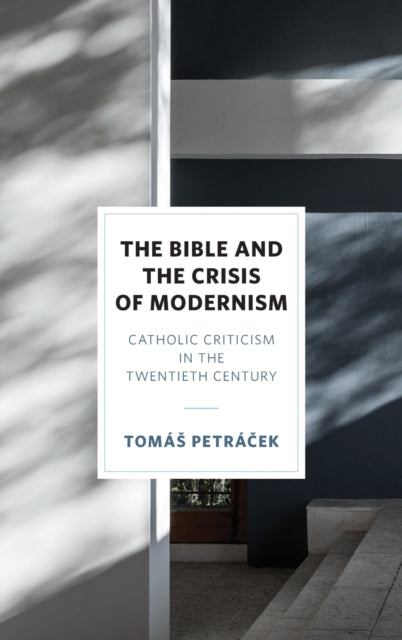
The Bible and the Crisis of Modernism: Catholic Criticism in the Twentieth Century
The Bible and the Crisis of Modernism: Catholic Criticism in the Twentieth Century
💎 Earn 446 Points (£4.46) on this item.
YOU SAVE £10.75
- Condition: Brand new
- UK Delivery times: Usually arrives within 2 - 3 working days
- UK Shipping: Fee starts at £2.39. Subject to product weight & dimension
Bulk ordering. Want 15 or more copies? Get a personalised quote and bigger discounts. Learn more about bulk orders.
Couldn't load pickup availability
- More about The Bible and the Crisis of Modernism: Catholic Criticism in the Twentieth Century
The Catholic Church's acceptance of the historical-critical method and modernization through the pivotal work of European theologians and biblical scholars is explored in The Bible and the Crisis of Modernism. It highlights the contributions of Czech theologians to the field and discusses wider topics such as the church's relationship to society, modernization, and scholarly independence.
Format: Hardback
Length: 432 pages
Publication date: 22 September 2022
Publisher: University of Notre Dame Press
One of the few topics in Catholic studies that demonstrates a marked about-face in theological attitudes within the Catholic Church is the reception of the historical-critical method in biblical exegesis and its dramatic rise from outright condemnation in the late nineteenth and early twentieth centuries to its official acceptance by the 1990s. The Bible and the Crisis of Modernism tells the dramatic story of the ultimate acceptance of this modern method by the Catholic Church as it worked out the relationship between faith and reason in view of advances in the social and natural sciences. Particular attention to the contributions of Czech theologians to the field of biblical exegesis foregrounds the tensions at play in the churchs gradual recognition of the value of the historical-critical method to a better understanding of the Christian scriptures. In this extensive study of the churchs response to the historical-critical method,Petráček broaches wider topics,such as the relationship between the Catholic Church and society in the late nineteenth and twentieth centuries,the modernization of the church in the face of a changing world,the balance between institutional authority and individual freedom of conscience,and the balance between scholarly independence and ecclesial convictions. The attitude of the Catholic Church to modern scholarly research in many ways reflects its complicated relationship to the modern world in general,as The Bible and the Crisis of Modernism shows. Scholars in biblical studies,Catholic studies,and the history of the church in the Czech Republic w.
One of the few topics in Catholic studies that demonstrates a marked about-face in theological attitudes within the Catholic Church is the reception of the historical-critical method in biblical exegesis and its dramatic rise from outright condemnation in the late nineteenth and early twentieth centuries to its official acceptance by the 1990s. The Bible and the Crisis of Modernism tells the dramatic story of the ultimate acceptance of this modern method by the Catholic Church as it worked out the relationship between faith and reason in view of advances in the social and natural sciences. Particular attention to the contributions of Czech theologians to the field of biblical exegesis foregrounds the tensions at play in the churchs gradual recognition of the value of the historical-critical method to a better understanding of the Christian scriptures. In this extensive study of the churchs response to the historical-critical method,Petráček broaches wider topics,such as the relationship between the Catholic Church and society in the late nineteenth and twentieth centuries,the modernization of the church in the face of a changing world,the balance between institutional authority
between institutional authority and individual freedom of conscience,and the balance between scholarly independence and ecclesial convictions. The attitude of the Catholic Church to modern scholarly research in many ways reflects its complicated relationship to the modern world in general,as The Bible and the Crisis of Modernism shows. Scholars in biblical studies,Catholic studies,and the history of the church in the Czech Republic w.
One of the few topics in Catholic studies that demonstrates a marked about-face in theological attitudes within the Catholic Church is the reception of the historical-critical method in biblical exegesis and its dramatic rise from outright condemnation in the late nineteenth and early twentieth centuries to its official acceptance by the 1990s. The Bible and the Crisis of Modernism tells the dramatic story of the ultimate acceptance of this modern method by the Catholic Church as it worked out the relationship between faith and reason in view of advances in the social and natural sciences. Particular attention to the contributions of Czech theologians to the field of biblical exegesis foregrounds the tensions at play in the churchs gradual recognition of the value of the historical-critical method to a better understanding of the Christian scriptures. In this extensive study of the churchs response to the historical-critical method,Petráček broaches wider topics,such as the relationship between the Catholic Church and society in the late nineteenth and twentieth centuries,the modernization of the church in the face of a changing world,the balance between institutional authority and individual freedom of conscience,and the balance between scholarly independence and ecclesial convictions. The attitude of the Catholic Church to modern scholarly research in many ways reflects its complicated relationship to the modern world in general,as The Bible and the Crisis of Modernism shows. Scholars in biblical studies,Catholic studies,and the history of the church in the Czech Republic w.
One of the few topics in Catholic studies that demonstrates a marked about-face in theological attitudes within the Catholic Church is the reception of the historical-critical method in biblical exegesis and its dramatic rise from outright condemnation in the late nineteenth and early twentieth centuries to its official acceptance by the 1990s. The Bible and the Crisis of Modernism tells the dramatic story of the ultimate acceptance of this modern method by the Catholic Church as it worked out the relationship between faith and reason in view of advances in the social and natural sciences. Particular attention to the contributions of Czech theologians to the field of biblical exegesis foregrounds the tensions at play in the churchs gradual recognition of the value of the historical-critical method to a better understanding of the Christian scriptures. In this extensive study of the churchs response to the historical-critical method,Petráček broaches wider topics,such as the relationship between the Catholic Church and society in the late nineteenth and twentieth centuries,the modernization of the church in the face of a changing world,the balance between institutional authority
between institutional authority and individual freedom of conscience,and the balance between scholarly independence and ecclesial convictions. The attitude of the Catholic Church to modern scholarly research in many ways reflects its complicated relationship to the modern world in general,as The Bible and the Crisis of Modernism shows. Scholars in biblical studies,Catholic studies,and the history of the church in the Czech Republic w.
Dimension: 229 x 152 (mm)
ISBN-13: 9780268202897
This item can be found in:
UK and International shipping information
UK and International shipping information
UK Delivery and returns information:
- Delivery within 2 - 3 days when ordering in the UK.
- Shipping fee for UK customers from £2.39. Fully tracked shipping service available.
- Returns policy: Return within 30 days of receipt for full refund.
International deliveries:
Shulph Ink now ships to Australia, Belgium, Canada, France, Germany, Ireland, Italy, India, Luxembourg Saudi Arabia, Singapore, Spain, Netherlands, New Zealand, United Arab Emirates, United States of America.
- Delivery times: within 5 - 10 days for international orders.
- Shipping fee: charges vary for overseas orders. Only tracked services are available for most international orders. Some countries have untracked shipping options.
- Customs charges: If ordering to addresses outside the United Kingdom, you may or may not incur additional customs and duties fees during local delivery.