Shulph Ink
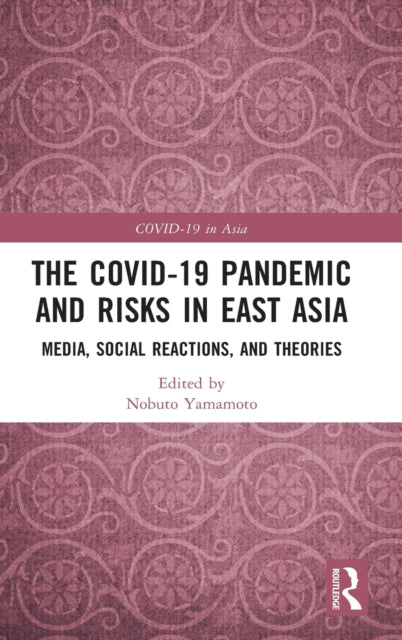
The COVID-19 Pandemic and Risks in East Asia: Media, Social Reactions, and Theories
The COVID-19 Pandemic and Risks in East Asia: Media, Social Reactions, and Theories
💎 Earn 689 Points (£6.89) on this item.
We can order this item for you. Delivery usually takes about 4 to 6 weeks.
This item is not held in our immediate stock. We will order it for you after checkout.
Estimated delivery: About 4 to 6 weeks
YOU SAVE £8.18
- Condition: Brand new
- UK Delivery times: Usually arrives within 2 - 3 working days
- UK Shipping: Fee starts at £2.39. Subject to product weight & dimension
Bulk ordering. Want 15 or more copies? Get a personalised quote and bigger discounts. Learn more about bulk orders.
Couldn't load pickup availability
- More about The COVID-19 Pandemic and Risks in East Asia: Media, Social Reactions, and Theories
This book examines how communities in East Asia responded to the COVID-19 pandemic, focusing on risk as a conceptual lens. It explores how governments, societies, and individuals perceived, experienced, and dealt with the pandemic, and the transformations it brought. It also examines pressing concerns such as infodemic, digital health literacy, media cynicism, telework, and digital inequalities, along with issues such as public trust, identity formation, nationalism, and social fragmentation.
Format: Hardback
Length: 230 pages
Publication date: 29 November 2022
Publisher: Taylor & Francis Ltd
This book delves into the multifaceted responses of communities across East Asia to the unprecedented challenges posed by the COVID-19 pandemic. Employing a risk lens, the contributors explore how governments, societies, and individuals have grappled with the pandemic's disruptions, perceptions, experiences, and interpretations across countries such as Japan, South Korea, Taiwan, Vietnam, and the Philippines. They examine pressing concerns such as the emergence of infodemics, digital health literacy, media cynicism, telework, and digital inequalities, while also addressing issues related to public trust, identity formation, nationalism, and social fragmentation. The book offers a comprehensive examination of a wide range of questions surrounding communication, mediation, and reactions to the pandemic's challenges.
As a valuable resource for scholars of risk studies and East Asian societies, this book also serves as a valuable reference for students and researchers in media and communication studies and sociology. By examining the diverse responses and adaptations of these communities, the book sheds light on the complex interplay between risk, communication, and social dynamics in the context of a global health crisis.
The COVID-19 pandemic has had a profound impact on communities across East Asia, disrupting lives and livelihoods and highlighting the vulnerability of societies to external shocks. In response, governments, societies, and individuals have adopted a range of measures to mitigate the effects of the pandemic, including lockdowns, travel restrictions, and social distancing measures. However, these measures have also led to unintended consequences, such as economic downturns, job losses, and mental health challenges.
One of the key challenges facing East Asian communities during the pandemic has been the spread of misinformation and disinformation. The rapid dissemination of information through social media platforms has facilitated the spread of false claims and conspiracy theories, leading to confusion and panic among the public. This has been particularly evident in countries such as Japan, where the government has been criticized for its response to the pandemic, including its handling of information and communication.
Another challenge has been the impact of the pandemic on digital health literacy. With the increasing reliance on technology for communication, work, and education, many individuals in East Asia have been left behind in terms of their digital skills and knowledge. This has led to concerns about the ability of individuals to access healthcare information, participate in virtual meetings, and stay informed about the latest developments in the pandemic.
The pandemic has also had a significant impact on media and communication studies. With the rise of social media and online communication, the media has played a crucial role in shaping public opinion and providing information about the pandemic. However, the media has also been criticized for its role in spreading misinformation and sensationalism, leading to public distrust and confusion.
In addition to these challenges, the pandemic has also raised questions about identity formation, nationalism, and social fragmentation. As individuals have been forced to stay home and isolate themselves from their communities, there has been a growing sense of isolation and loneliness, which has led to a decline in social cohesion and a rise in social divisions. This has been particularly evident in countries such as Japan, where there has been a growing sense of nationalism and a rejection of foreign influence.
To address these challenges, East Asian communities have adopted a range of strategies. Governments have implemented measures to promote digital health literacy, such as providing online resources and training programs. They have also worked to address the spread of misinformation and disinformation, through measures such as fact-checking and media literacy campaigns.
Societies have also responded to the pandemic by coming together in solidarity and support. Community organizations have been established to provide assistance to those in need, such as food and medical supplies, and to promote social cohesion and mental health support.
Individuals have also taken steps to adapt to the challenges of the pandemic, such as learning new digital skills and participating in virtual communities. This has led to a greater sense of resilience and adaptability among individuals, as well as a greater appreciation for the importance of community and social support.
In conclusion, the COVID-19 pandemic has had a profound impact on communities across East Asia, highlighting the vulnerability of societies to external shocks and the importance of resilience and adaptability. Through a risk lens, this book explores how governments, societies, and individuals have responded to the pandemic, and the challenges and opportunities that have emerged as a result. By examining the diverse responses and adaptations of these communities, the book sheds light on the complex interplay between risk, communication, and social dynamics in the context of a global health crisis.
Weight: 484g
Dimension: 162 x 240 x 22 (mm)
ISBN-13: 9781032261379
This item can be found in:
UK and International shipping information
UK and International shipping information
UK Delivery and returns information:
- Delivery within 2 - 3 days when ordering in the UK.
- Shipping fee for UK customers from £2.39. Fully tracked shipping service available.
- Returns policy: Return within 30 days of receipt for full refund.
International deliveries:
Shulph Ink now ships to Australia, Belgium, Canada, France, Germany, Ireland, Italy, India, Luxembourg Saudi Arabia, Singapore, Spain, Netherlands, New Zealand, United Arab Emirates, United States of America.
- Delivery times: within 5 - 10 days for international orders.
- Shipping fee: charges vary for overseas orders. Only tracked services are available for most international orders. Some countries have untracked shipping options.
- Customs charges: If ordering to addresses outside the United Kingdom, you may or may not incur additional customs and duties fees during local delivery.