Shulph Ink
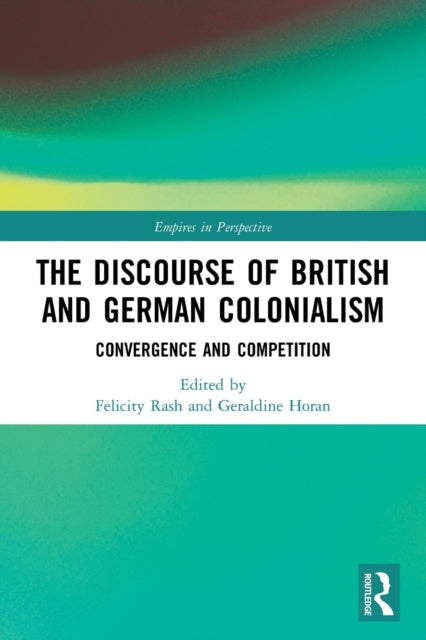
The Discourse of British and German Colonialism: Convergence and Competition
The Discourse of British and German Colonialism: Convergence and Competition
💎 Earn 226 Points (£2.26) on this item.
We can order this item for you. Delivery usually takes about 4 to 6 weeks.
This item is not held in our immediate stock. We will order it for you after checkout.
Estimated delivery: About 4 to 6 weeks
YOU SAVE £2.69
- Condition: Brand new
- UK Delivery times: Usually arrives within 2 - 3 working days
- UK Shipping: Fee starts at £3.89. Subject to product weight & dimension
Bulk ordering. Want 15 or more copies? Get a personalised quote and bigger discounts. Learn more about bulk orders.
Couldn't load pickup availability
- More about The Discourse of British and German Colonialism: Convergence and Competition
This book explores British and German colonialist discourses from various perspectives, highlighting cooperation and competition in the European colonial project. It includes perspectives from colonizing nations, former colonies, and post-colonial studies, making it valuable for students and researchers in these fields.
Format: Paperback / softback
Length: 286 pages
Publication date: 01 August 2022
Publisher: Taylor & Francis Ltd
This comprehensive volume delves into a comparative analysis of British and German colonialist discourses, exploring a wide range of perspectives: philosophical, political, social, economic, legal, and discourse-linguistic. From the sixteenth century onwards, British and German cooperation and competition emerged as integral forces in the European colonial project, particularly during the era of the so-called "Scramble for Africa" that followed the foundation of the German Second Empire in 1871. The authors present a multifaceted examination of the viewpoints of both colonizing nations and former colonies, encompassing a diverse array of countries such as Cameroon, Ghana, Morocco, Namibia, Tanzania, India, China, and the Pacific Islands. This title serves as an invaluable resource for students and researchers engaged in the study of British colonial history, German colonial history, and post-colonial studies.
Introduction:
The colonial era was a period of immense transformation and expansion across the globe, marked by the establishment of European empires and the pursuit of territorial dominance. British and German colonialism were two prominent forces that played significant roles in shaping the world during this time. This volume aims to compare and contrast British and German colonialist discourses from various angles, including philosophical, political, social, economic, legal, and discourse-linguistic. By examining these discourses, we can gain a deeper understanding of the complex dynamics and ideologies that underpinned colonialism and its impact on the colonized and colonizers.
British Colonialism:
The British Empire was one of the largest and most influential empires in history, spanning across continents and oceans. British colonialism was characterized by a combination of economic exploitation, political control, and cultural assimilation. The British colonizers believed in the superiority of their race and culture and sought to impose their values and institutions on the colonized territories. They implemented policies such as land confiscation, forced labor, and taxation without representation, which had devastating consequences for the indigenous populations.
One of the key features of British colonialism was the establishment of a hierarchical system of governance. The colonizers imposed a top-down approach, with the British government exercising control over the local governments and institutions. This led to a lack of autonomy and self-determination for the colonized peoples, who were often subjected to the whims and whims of the colonial authorities.
British colonialism also had a significant impact on the economic development of the colonized territories. The British colonizers introduced modern agriculture, infrastructure, and transportation systems, which facilitated the exploitation of natural resources and the growth of trade. However, this exploitation often came at the expense of the indigenous populations, who were forced to work in harsh conditions and were paid low wages.
In addition to economic exploitation, British colonialism also had a profound impact on the cultural and social development of the colonized territories. The British colonizers sought to impose their language, religion, and customs on the indigenous populations, often at the expense of their own traditions and practices. This led to a loss of cultural identity and a sense of belonging for the colonized peoples, who were often subjected to discrimination and marginalization.
Despite these negative consequences, British colonialism also had some positive effects. The British colonizers introduced modern education and healthcare systems, which improved the lives of many indigenous populations. They also promoted the development of trade and commerce, which led to economic growth and development in the colonized territories.
German Colonialism:
German colonialism, on the other hand, was characterized by a different set of ideologies and policies. The German Empire was a relatively new empire, founded in 1871 after the unification of Germany. German colonialism was driven by a desire for territorial expansion and economic development, and it was characterized by a more authoritarian and hierarchical approach to governance.
The German colonizers believed in the superiority of the German race and sought to establish a German empire in Africa. They implemented policies such as forced labor, land confiscation, and the establishment of German-speaking schools and churches, which aimed to assimilate the indigenous populations into the German cultural and political system.
German colonialism also had a significant impact on the economic development of the colonized territories. The German colonizers introduced modern agriculture and infrastructure, which facilitated the exploitation of natural resources and the growth of trade. However, this exploitation often came at the expense of the indigenous populations, who were forced to work in harsh conditions and were paid low wages.
In addition to economic exploitation, German colonialism also had a profound impact on the cultural and social development of the colonized territories. The German colonizers sought to impose their language, religion, and customs on the indigenous populations, often at the expense of their own traditions and practices. This led to a loss of cultural identity and a sense of belonging for the colonized peoples, who were often subjected to discrimination and marginalization.
Despite these negative consequences, German colonialism also had some positive effects. The German colonizers introduced modern education and healthcare systems, which improved the lives of many indigenous populations. They also promoted the development of trade and commerce, which led to economic growth and development in the colonized territories.
Comparison and Contrast:
British and German colonialism shared some common features, such as economic exploitation, political control, and cultural assimilation. However, they also had significant differences in their ideologies, policies, and approaches to governance.
One of the key differences between British and German colonialism was the level of authoritarianism and hierarchy. The British colonizers tended to adopt a more liberal and democratic approach to governance, while the German colonizers were more authoritarian and hierarchical. This led to different levels of autonomy and self-determination for the colonized peoples.
Another difference between British and German colonialism was the extent to which they sought to assimilate the indigenous populations. The British colonizers tended to adopt a more multicultural approach, allowing for the preservation of indigenous cultures and traditions. In contrast, the German colonizers sought to impose a German cultural and political system on the colonized territories, which led to a loss of cultural identity and a sense of belonging for the indigenous peoples.
Despite these differences, British and German colonialism had a significant impact on the colonized and colonizers. Both empires left a legacy of economic exploitation, political control, and cultural assimilation that continues to shape the world today.
Conclusion:
In conclusion, this volume provides a comprehensive analysis of British and German colonialist discourses, exploring a wide range of perspectives and ideologies. By comparing and contrasting these discourses, we can gain a deeper understanding of the complex dynamics and ideologies that underpinned colonialism and its impact on the colonized and colonizers. This volume is an invaluable resource for students and researchers engaged in the study of British colonial history, German colonial history, and post-colonial studies.
Weight: 550g
Dimension: 234 x 156 (mm)
ISBN-13: 9780367506254
UK and International shipping information
UK and International shipping information
We deliver throughout the United Kingdom and to 128 countries and territories worldwide, including the United States, Australia, Canada, Germany, Spain and France.