Susan H Lees
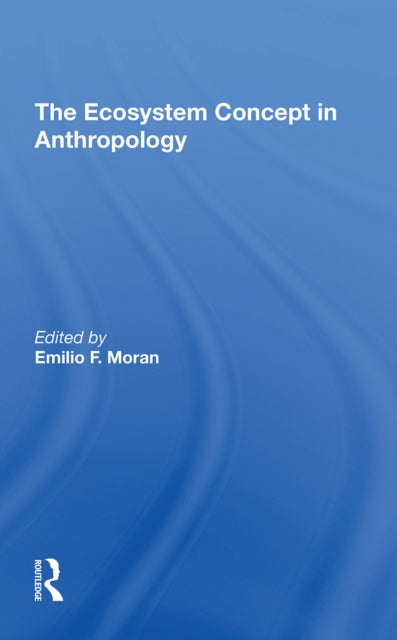
The Ecosystem Concept In Anthropology
The Ecosystem Concept In Anthropology
💎 Earn 207 Points (£2.07) on this item.
We can order this item for you. Delivery usually takes about 4 to 6 weeks.
This item is not held in our immediate stock. We will order it for you after checkout.
Estimated delivery: About 4 to 6 weeks
YOU SAVE £2.47
- Condition: Brand new
- UK Delivery times: Usually arrives within 2 - 3 working days
- UK Shipping: Fee starts at £3.89. Subject to product weight & dimension
Bulk ordering. Want 15 or more copies? Get a personalised quote and bigger discounts. Learn more about bulk orders.
Couldn't load pickup availability
- More about The Ecosystem Concept In Anthropology
The book evaluates criticisms of ecological research and proposes ways to advance knowledge in the field, focusing on the loss of explanatory value when applying the ecosystem concept to human systems.
Format: Paperback / softback
Length: 336 pages
Publication date: 29 July 2022
Publisher: Taylor & Francis Ltd
This book is a groundbreaking exploration of the criticisms surrounding the application of the ecosystem concept in anthropology and offers innovative solutions to advance our understanding of ecological research. Drawing on the expertise of renowned figures in the fields of biological and human ecology, the book critically evaluates the limitations of this approach and proposes new avenues for exploration.
In the first chapter, the authors delve into the loss of explanatory value that occurs when the ecosystem concept is applied to human systems. They argue that while ecosystems are valuable in understanding the complexity of natural systems, they may not be sufficient to explain the intricacies of human social and cultural interactions. The book then proceeds to examine the various criticisms leveled against the ecosystem concept, including its reductionist nature, its inability to account for human agency and intentionality, and its neglect of the role of power and inequality in shaping ecological systems.
To address these challenges, the book proposes a range of innovative approaches. One of the key ideas is the recognition of the diversity of human societies and the need to develop more nuanced models that account for the unique characteristics of each community. The authors suggest that a more holistic approach, which incorporates social, economic, and cultural factors, can provide a more comprehensive understanding of ecological systems.
Another important theme of the book is the importance of interdisciplinary collaboration in ecological research. The authors argue that by bringing together experts from different fields, such as biology, sociology, and anthropology, researchers can gain a more comprehensive understanding of the complex interactions between humans and the environment. They also highlight the need for greater transparency and accountability in ecological research, particularly when it comes to the use of data and the interpretation of results.
Throughout the book, the authors provide examples of successful interdisciplinary collaborations and case studies that illustrate the potential of this approach. They also offer practical recommendations for researchers, including the development of new research methodologies, the promotion of interdisciplinary education, and the establishment of interdisciplinary research centers.
In conclusion, this book is a must-read for anyone interested in the study of biological and human ecology. It offers a critical analysis of the limitations of the ecosystem concept in anthropology and proposes innovative solutions to advance our understanding of ecological research. By embracing a more holistic and interdisciplinary approach, the book provides a valuable contribution to the field and has the potential to shape the future of ecological studies.
This book is a groundbreaking exploration of the criticisms surrounding the application of the ecosystem concept in anthropology and offers innovative solutions to advance our understanding of ecological research.
In the first chapter, the authors delve into the loss of explanatory value that occurs when the ecosystem concept is applied to human systems. They argue that while ecosystems are valuable in understanding the complexity of natural systems, they may not be sufficient to explain the intricacies of human social and cultural interactions. The book then proceeds to examine the various criticisms leveled against the ecosystem concept, including its reductionist nature, its inability to account for human agency and intentionality, and its neglect of the role of power and inequality in shaping ecological systems.
To address these challenges, the book proposes a range of innovative approaches. One of the key ideas is the recognition of the diversity of human societies. societies and the need to develop more nuanced models that account for the unique characteristics of each community. The authors suggest that a more holistic approach, which incorporates social, economic, and cultural factors, can provide a more comprehensive understanding of ecological systems.
Another important theme of the book is the importance of interdisciplinary collaboration in ecological research. The authors argue that by bringing together interdisciplinary experts from different fields, such as biology, sociology, and anthropology, researchers can gain a more comprehensive understanding of the complex interactions between humans and the environment. They also highlight the need for greater transparency and accountability in ecological research, particularly when it comes to the use of data and the interpretation of results.
Throughout the book, the authors provide examples of successful interdisciplinary collaborations and case studies that illustrate the potential of this approach. They also offer practical recommendations for researchers, including the development of new research methodologies, the promotion of interdisciplinary education, and the establishment of interdisciplinary research centers.
In conclusion, this book is a must-read for anyone interested in the study of biological and human ecology. It offers a critical analysis of the limitations of the ecosystem concept in anthropology and proposes innovative solutions to advance our understanding of ecological research. By embracing a more holistic and interdisciplinary approach, the book provides a valuable contribution to the field and has the potential to shape the future of ecological studies.
Weight: 620g
ISBN-13: 9780367307097
UK and International shipping information
UK and International shipping information
We deliver throughout the United Kingdom and to 128 countries and territories worldwide, including the United States, Australia, Canada, Germany, Spain and France.