Shulph Ink
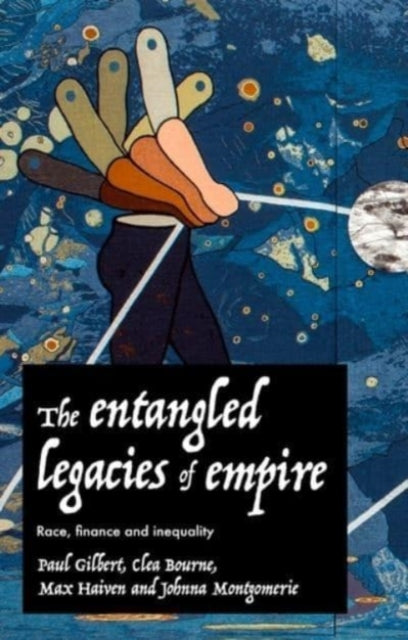
The Entangled Legacies of Empire: Race, Finance and Inequality
The Entangled Legacies of Empire: Race, Finance and Inequality
💎 Earn 238 Points (£2.38) on this item.
YOU SAVE £42.21
- Condition: Brand new
- UK Delivery times: Usually arrives within 2 - 3 working days
- UK Shipping: Fee starts at £2.39. Subject to product weight & dimension
Bulk ordering. Want 15 or more copies? Get a personalised quote and bigger discounts. Learn more about bulk orders.
Couldn't load pickup availability
- More about The Entangled Legacies of Empire: Race, Finance and Inequality
This book explores the ghosts of colonialism and imperialism in the global economy through a series of short essays by over 25 experts from around the world. It challenges the idea that the past is not behind us and shows how it continues to shape our world and lives. The book covers a wide range of locations and perspectives, from financiers to artists, activists, and everyday people, and explores how the legacies of empire are still being felt today.
Format: Hardback
Length: 352 pages
Publication date: 31 January 2023
Publisher: Manchester University Press
More than 25 experts from around the world have contributed to this unique and provocative book. In a series of illuminating short essays, each author has presented a striking image as an invitation to consider the ghosts of colonialism and imperialism in today's global economy. In defiance of those who claim that today's capitalist system is free of racism and exploitation, this book shows that the past is not behind us; it defines our world and our lives.
This book takes the reader on a global tour, from Malaysia to Canada, from Angola to Mexico, from Libya to China, from the City of London to the Australian outback, from the deep sea to the atmosphere. Along the way, we meet the financiers, artists, advertisers, activists, and everyday people who are grappling with the entangled legacies of empire.
The book begins with an introduction by the editor, who sets the stage for the rest of the book. He explains that the book is not a history of colonialism and imperialism, but rather a collection of essays that explore the ways in which these legacies continue to shape our world today. He also notes that the book is not intended to be a political manifesto, but rather a way to encourage people to think critically about the issues that affect us all.
The first essay in the book is by the economist John R. Bolton, who argues that the legacy of colonialism and imperialism is still felt today in the form of economic inequality and poverty. He argues that the wealthiest countries in the world have benefited from the exploitation of poorer countries, and that this has led to a global economic system that is unfair and unsustainable.
The second essay is by the historian David Harvey, who argues that the legacy of colonialism and imperialism is still felt today in the form of cultural imperialism. He argues that the dominant culture of the West is often imposed on other cultures, and that this has led to a loss of cultural identity and a sense of belonging for many people.
The third essay is by the anthropologist James C. Scott, who argues that the legacy of colonialism and imperialism is still felt today in the form of political instability and conflict. He argues that the division of the world into nation-states was a product of colonialism, and that this has led to a series of wars and conflicts that have affected millions of people.
The fourth essay is by the journalist and author Naomi Klein, who argues that the legacy of colonialism and imperialism is still felt today in the form of environmental degradation and climate change. She argues that the fossil fuel industry is a product of colonialism, and that this has led to a global climate crisis that is threatening the future of our planet.
The fifth essay is by the philosopher and activist Slavoj Zizek, who argues that the legacy of colonialism and imperialism is still felt today in the form of political ideology and ideology. He argues that the dominant political ideology of the West is often based on a false understanding of human nature and that this has led to a series of political and social problems that are difficult to solve.
The sixth essay is by the historian and author Edward Said, who argues that the legacy of colonialism and imperialism is still felt today in the form of cultural appropriation. He argues that the Western culture is often seen as superior to other cultures, and that this has led to a sense of cultural arrogance and a lack of empathy for other people.
The seventh essay is by the anthropologist
More than 25 experts from around the world have contributed to this unique and provocative book. In a series of illuminating short essays, each author has presented a striking image as an invitation to consider the ghosts of colonialism and imperialism in today's global economy. In defiance of those who claim that today's capitalist system is free of racism and exploitation, this book shows that the past is not behind us; it defines our world and our lives.
This book takes the reader on a global tour, from Malaysia to Canada, from Angola to Mexico, from Libya to China, from the City of London to the Australian outback, from the deep sea to the atmosphere. Along the way, we meet the financiers, artists, advertisers, activists, and everyday people who are grappling with the entangled legacies of empire.
The book begins with an introduction by the editor, who sets the stage for the rest of the book. He explains that the book is not a history of colonialism and imperialism, but rather a collection of essays that explore the ways in which these legacies continue to shape our world today. He also notes that the book is not intended to be a political manifesto, but rather a way to encourage people to think critically about the issues that affect us all.
The first essay in the book is by the economist John R. Bolton, who argues that the legacy of colonialism and imperialism is still felt today in the form of economic inequality and poverty. He argues that the wealthiest countries in the world have benefited from the exploitation of poorer countries, and that this has led to a global economic system that is unfair and unsustainable.
The second essay is by the historian David Harvey, who argues that the legacy of colonialism and imperialism is still felt today in the form of cultural imperialism. He argues that the dominant culture of the West is often imposed on other cultures, and that this has led to a loss of cultural identity and a sense of belonging for many people.
The third essay is by the anthropologist James C. Scott, who argues that the legacy of colonialism and imperialism is still felt today in the form of political instability and conflict. He argues that the division of the world into nation-states was a product of colonialism, and that this has led to a series of wars and conflicts that have affected millions of people.
The fourth essay is by the journalist and author Naomi Klein, who argues that the legacy of colonialism and imperialism is still felt today in the form of environmental degradation and climate change. She argues that the fossil fuel industry is a product of colonialism, and that this has led to a global climate crisis that is threatening the future of our planet.
The fifth essay is by the philosopher and activist Slavoj Zizek, who argues that the legacy of colonialism and imperialism is still felt today in the form of political ideology and ideology. He argues that the dominant political ideology of the West is often based on a false understanding of human nature and that this has led to a series of political and social problems that are difficult to solve.
The sixth essay is by the historian and author Edward Said, who argues that the legacy of colonialism and imperialism is still felt today in the form of cultural appropriation. He argues that the Western culture is often seen as superior to other cultures, and that this has led to a sense of cultural arrogance and a lack of empathy for other people.
The seventh essay is by the anthropologist and author Saidiya Hartman, who argues that the legacy of colonialism and imperialism is still felt today in the form of cultural appropriation. She argues that the Western culture is often seen as superior to other cultures, and that this has led to a sense of cultural arrogance and a lack of empathy for other people.
The eighth essay is by the historian and author Saidiya Hartman, who argues that the legacy of colonialism and imperialism is still felt today in the form of cultural appropriation. She argues that the Western culture is often seen as superior to other cultures, and that this has led to a sense of cultural arrogance and a lack of empathy for other people.
The ninth essay is by the historian and author Saidiya Hartman, who argues that the legacy of colonialism and imperialism is still felt today in the form of cultural appropriation
More than 25 experts from around the world have contributed to this unique and provocative book. In a series of illuminating short essays, each author has presented a striking image as an invitation to consider the ghosts of colonialism and imperialism in today's global economy. In defiance of those who claim that today's capitalist system is free of racism and exploitation, this book shows that the past is not behind us; it defines our world and our lives.
This book takes the reader on a global tour, from Malaysia to Canada, from Angola to Mexico, from Libya to China, from the City of London to the Australian outback, from the deep sea to the atmosphere. Along the way, we meet the financiers, artists, advertisers, activists, and everyday people who are grappling with the entangled legacies of empire.
The book begins with an introduction by the editor, who sets the stage for the rest of the book. He explains that the book is not a history of colonialism and imperialism, but rather a collection of essays that explore the ways in which these legacies continue to shape our world today. He also notes that the book is not intended to be a political manifesto, but rather a way to encourage people to think critically about the issues that affect us all.
The first essay in the book is by the economist John R. Bolton, who argues that the legacy of colonialism and imperialism is still felt today in the form of economic inequality and poverty. He argues that the wealthiest countries in the world have benefited from the exploitation of poorer countries, and that this has led to a global economic system that is unfair and unsustainable.
The second essay is by the historian David Harvey, who argues that the legacy of colonialism and imperialism is still felt today in the form of cultural imperialism. He argues that the dominant culture of the West is often imposed on other cultures, and that this has led to a loss of cultural identity and a sense of belonging for many people.
The third essay is by the anthropologist James C. Scott, who argues that the legacy of colonialism and imperialism is still felt today in the form of political instability and conflict. He argues that the division of the world into nation-states was a product of colonialism, and that this has led to a series of wars and conflicts that have affected millions of people.
The fourth essay is by the journalist and author Naomi Klein, who argues that the legacy of colonialism and imperialism is still felt today in the form of environmental degradation and climate change. She argues that the fossil fuel industry is a product of colonialism, and that this has led to a global climate crisis that is threatening the future of our planet.
The fifth essay is by the philosopher and activist Slavoj Zizek, who argues that the legacy of colonialism and imperialism is still felt today in the form of political ideology and ideology. He argues that the dominant political ideology of the West is often based on a false understanding of human nature and that this has led to a series of political and social problems that are difficult to solve.
The sixth essay is by the historian and author Edward Said, who argues that the legacy of colonialism and imperialism is still felt today in the form of cultural appropriation. He argues that the Western culture is often seen as superior to other cultures, and that this has led to a sense of cultural arrogance and a lack of empathy for other people.
The seventh essay is by the anthropologist and author Saidiya Hartman, who argues that the legacy of colonialism and imperialism is still felt today in the form of cultural appropriation. She argues that the Western culture is often seen as superior to other cultures, and that this has led to a sense of cultural arrogance and a lack of empathy for other people.
The eighth essay is by the historian and author Saidiya Hartman, who argues that the legacy of colonialism and imperialism is still felt today in the form of cultural appropriation. She argues that the Western culture is often seen as superior to other cultures, and that this has led to a sense of cultural arrogance and a lack of empathy for other people.
The ninth essay is by the historian and author Saidiya Hartman, who argues that the legacy of colonialism and imperialism is still felt today in the form of cultural appropriation. She argues that the Western culture is often seen as superior to other cultures, and that this has led to a sense of cultural arrogance and a lack of empathy for other people.
Weight: 568g
Dimension: 222 x 147 x 26 (mm)
ISBN-13: 9781526163448
UK and International shipping information
UK and International shipping information
UK Delivery and returns information:
- Delivery within 2 - 3 days when ordering in the UK.
- Shipping fee for UK customers from £2.39. Fully tracked shipping service available.
- Returns policy: Return within 30 days of receipt for full refund.
International deliveries:
Shulph Ink now ships to Australia, Belgium, Canada, France, Germany, Ireland, Italy, India, Luxembourg Saudi Arabia, Singapore, Spain, Netherlands, New Zealand, United Arab Emirates, United States of America.
- Delivery times: within 5 - 10 days for international orders.
- Shipping fee: charges vary for overseas orders. Only tracked services are available for most international orders. Some countries have untracked shipping options.
- Customs charges: If ordering to addresses outside the United Kingdom, you may or may not incur additional customs and duties fees during local delivery.