Imogen Lepere
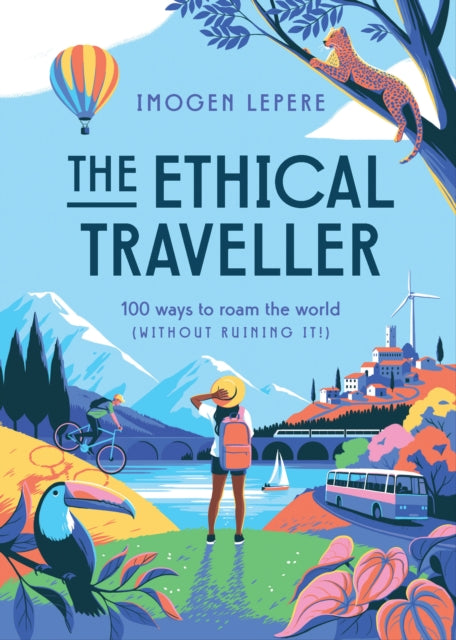
The Ethical Traveller: 100 ways to roam the world (without ruining it!)
The Ethical Traveller: 100 ways to roam the world (without ruining it!)
💎 Earn 45 Points (£0.45) on this item.
YOU SAVE £3.80
- Condition: Brand new
- UK Delivery times: Usually arrives within 2 - 3 working days
- UK Shipping: Fee starts at £3.89. Subject to product weight & dimension
Bulk ordering. Want 15 or more copies? Get a personalised quote and bigger discounts. Learn more about bulk orders.
Couldn't load pickup availability
- More about The Ethical Traveller: 100 ways to roam the world (without ruining it!)
Travel can have a positive impact on the environment and communities. The Ethical Traveller provides 100 tips to help protect the planet, support communities, and explore the world while preserving its beauty.
Format: Hardback
Length: 108 pages
Publication date: 30 August 2022
Publisher: Smith Street Books
Travel is a transformative experience that can broaden our horizons and enrich our lives. However, it is important to be aware of the hidden costs associated with our travels, which extend beyond the financial impact. Our actions, both intentional and unintentional, can have profound effects on the environment and the communities we visit.
One of the primary concerns is the impact of tourism on the environment. The growth of the industry has led to increased carbon emissions, deforestation, and pollution, which have negative consequences for ecosystems and biodiversity. To mitigate these effects, we can make conscious choices during our travels.
For example, we can choose to support eco-friendly accommodations, such as hotels that use renewable energy sources or hotels that have implemented sustainable practices. We can also opt for eco-tourism activities, such as hiking, wildlife watching, or visiting natural attractions, that minimize the impact on the environment.
Another important consideration is the impact of tourism on local communities. Many communities rely on tourism as a source of income, but the influx of tourists can sometimes have negative effects. For example, it can lead to overcrowding, increased prices, and the displacement of local people. To support local communities, we can choose to stay in locally owned accommodations, eat at local restaurants, and purchase products from local artisans.
In addition to environmental and social considerations, we also have a responsibility to preserve the cultural heritage and traditions of the places we visit. This can involve learning about the local customs and practices, respecting the local environment, and avoiding activities that may harm the cultural heritage.
To help us make ethical decisions during our travels, there are many resources available. The Ethical Traveller, for example, offers one hundred tips aligned with the United Nations Sustainable Development Goals. These tips provide practical advice on how we can protect the planet, support communities, and explore the world while preserving everything that makes it so special.
In conclusion, travel can be a powerful force for good, but it is important to be aware of the hidden costs associated with our travels. By making conscious choices and supporting sustainable practices, we can minimize our impact on the environment and the communities we visit. We can also preserve the cultural heritage and traditions of the places we visit, ensuring that future generations can enjoy the same experiences and destinations.
Travel is a transformative experience that can broaden our horizons and enrich our lives. However, it is important to be aware of the hidden costs associated with our travels, which extend beyond the financial impact. Our actions, both intentional and unintentional, can have profound effects on the environment and the communities we visit.
One of the primary concerns is the impact of tourism on the environment. The growth of the industry has led to increased carbon emissions, deforestation, and pollution, which have negative consequences for ecosystems and biodiversity. To mitigate these effects, we can make conscious choices during our travels.
For example, we can choose to support eco-friendly accommodations, such as hotels that use renewable energy sources or hotels that have implemented sustainable practices. We can also opt for eco-tourism activities, such as hiking, wildlife watching, or visiting natural attractions, that minimize the impact on the environment.
Another important consideration is the impact of tourism on local communities. Many communities rely on tourism as a source of income, but the influx of tourists can sometimes have negative effects. For example, it can lead to overcrowding, increased prices, and the displacement of local people. To support local communities, we can choose to stay in locally owned accommodations, eat at local restaurants, and purchase products from local artisans.
In addition to environmental and social considerations, we also have a responsibility to preserve the cultural heritage and traditions of the places we visit. This can involve learning about the local customs and practices, respecting the local environment, and avoiding activities that may harm the cultural heritage.
To help us make ethical decisions during our travels, there are many resources available. The Ethical Traveller, for example, offers one hundred tips aligned with the United Nations Sustainable Development Goals. These tips provide practical advice on how we can protect the planet, support communities, and explore the world while preserving everything that makes it so special.
In conclusion, travel can be a powerful force for good, but it is important to be aware of the hidden costs associated with our travels. By making conscious choices and supporting sustainable practices, we can minimize our impact on the environment and the communities we visit. We can also preserve the cultural heritage and traditions of the places we visit, ensuring that future generations can enjoy the same experiences and destinations.
Weight: 356g
Dimension: 148 x 208 x 17 (mm)
ISBN-13: 9781925811988
UK and International shipping information
UK and International shipping information
We deliver throughout the United Kingdom and to 128 countries and territories worldwide, including the United States, Australia, Canada, Germany, Spain and France.