Shulph Ink
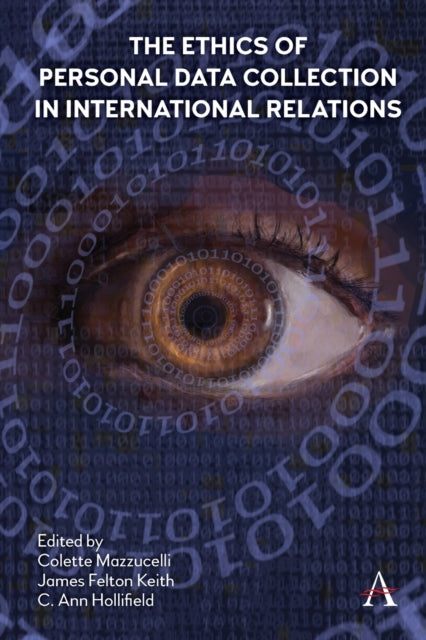
The Ethics of Personal Data Collection in International Relations: Inclusionism in the Time of COVID-19
The Ethics of Personal Data Collection in International Relations: Inclusionism in the Time of COVID-19
💎 Earn 145 Points (£1.45) on this item.
We can order this item for you. Delivery usually takes about 4 to 6 weeks.
This item is not held in our immediate stock. We will order it for you after checkout.
Estimated delivery: About 4 to 6 weeks
- Condition: Brand new
- UK Delivery times: Usually arrives within 2 - 3 working days
- UK Shipping: Fee starts at £2.39. Subject to product weight & dimension
Bulk ordering. Want 15 or more copies? Get a personalised quote and bigger discounts. Learn more about bulk orders.
Couldn't load pickup availability
- More about The Ethics of Personal Data Collection in International Relations: Inclusionism in the Time of COVID-19
The COVID-19 pandemic has highlighted the need for ethical considerations in personal data collection and analysis in international relations, particularly in response to health crises. This volume explores the ethical implications of such practices in developed and developing states.
Format: Paperback / softback
Length: 244 pages
Publication date: 10 January 2023
Publisher: Anthem Press
The relevance of this volume is particularly evident during a time of unparalleled global loss of life. While the data may be incomplete and misleading, it nonetheless highlights the state's deficiency and negligence in addressing social healthcare needs. This volume serves as a testament to the enduring presence of pressing global public health concerns in both developed and developing nations. Furthermore, the COVID-19 pandemic underscores the importance of including ethics of personal data collection and analysis in the international relations literature, as demonstrated by the chapters examining the responses to COVID-19 in Iran and Taiwan.
Introduction:
The COVID-19 pandemic has brought to the forefront the critical importance of healthcare systems and their ability to respond to public health emergencies. In this context, the collection, analysis, and use of personal data have become increasingly important tools for tracking and managing the spread of the virus. However, the ethical implications of these practices have raised concerns among policymakers, researchers, and the public alike.
The Relevance of This Volume:
This volume aims to address these ethical concerns by examining the responses to COVID-19 in Iran and Taiwan. These two countries have faced different challenges in their efforts to combat the pandemic, but they have also adopted different approaches to personal data collection and analysis. By analyzing these responses, the volume seeks to shed light on the ethical implications of personal data collection and analysis in the context of public health emergencies.
The State's Response to Social Healthcare Needs:
The data, which is oftentimes incomplete and misleading, reveals the state's deficiency and negligence in its response to social healthcare needs. In many countries, healthcare systems are struggling to meet the increasing demand for medical services, and this has led to a lack of resources and inadequate infrastructure. As a result, patients are often left without access to quality healthcare, and their health outcomes are compromised.
The Ethics of Personal Data Collection and Analysis:
The ethical implications of personal data collection and analysis are particularly relevant during public health emergencies. When collecting and analyzing personal data, there are several ethical considerations that must be taken into account. These include the need for informed consent, the protection of privacy and confidentiality, the use of data for legitimate purposes, and the avoidance of discrimination and bias.
The COVID-19 Pandemic:
The COVID-19 pandemic has highlighted the need for effective personal data collection and analysis. Contact tracing and mobile phone apps have been used to track citizens and monitor their movements, which has helped in slowing the spread of the virus. However, these practices have raised concerns about privacy and confidentiality, as well as the potential for discrimination and bias.
Iran's Response to COVID-19:
Iran has faced significant challenges in its response to COVID-19. The country has a large population, and its healthcare system is under-resourced and overwhelmed. As a result, the government has implemented a number of measures to track and manage the pandemic, including the use of mobile phone apps to track citizens' movements.
Ethical Considerations in Iran's Response:
The use of mobile phone apps to track citizens' movements has raised concerns about privacy and confidentiality. The government has not provided clear information about how the data will be used, and there are concerns that it may be used for surveillance or other purposes that are not in the public interest. Additionally, there are concerns that the data may be shared with third parties without the consent of the individuals.
Taiwan's Response to COVID-19:
Taiwan has adopted a different approach to personal data collection and analysis in its response to COVID-19. The government has implemented a number of measures to track and manage the pandemic, including the use of contact tracing and mobile phone apps. However, these measures have been implemented with greater transparency and accountability.
Ethical Considerations in Taiwan's Response:
In Taiwan, the government has provided clear information about how the data will be used and has ensured that individuals have the right to opt out of the tracking program. Additionally, the government has implemented measures to protect the privacy and confidentiality of the data, including encryption and data anonymization.
Conclusion:<{URL}>
The relevance of this volume is particularly evident during a time of unprecedented global loss of life. The data, which is oftentimes incomplete and misleading, nonetheless reveals the state's deficiency and negligence in its response to social healthcare needs. By examining the responses to COVID-19 in Iran and Taiwan, this volume seeks to shed light on the ethical implications of personal data collection and analysis in the context of public health emergencies. The COVID-19 pandemic has highlighted the need for effective personal data collection and analysis, and it is essential that policymakers and researchers take into account the ethical considerations that are involved in these practices.
Weight: 454g
Dimension: 229 x 153 x 26 (mm)
ISBN-13: 9781839988127
UK and International shipping information
UK and International shipping information
UK Delivery and returns information:
- Delivery within 2 - 3 days when ordering in the UK.
- Shipping fee for UK customers from £2.39. Fully tracked shipping service available.
- Returns policy: Return within 30 days of receipt for full refund.
International deliveries:
Shulph Ink now ships to Australia, Belgium, Canada, France, Germany, Ireland, Italy, India, Luxembourg Saudi Arabia, Singapore, Spain, Netherlands, New Zealand, United Arab Emirates, United States of America.
- Delivery times: within 5 - 10 days for international orders.
- Shipping fee: charges vary for overseas orders. Only tracked services are available for most international orders. Some countries have untracked shipping options.
- Customs charges: If ordering to addresses outside the United Kingdom, you may or may not incur additional customs and duties fees during local delivery.