MarkHinchman
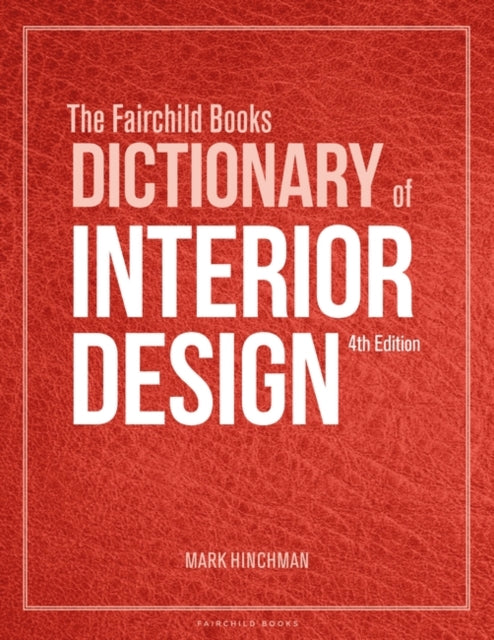
The Fairchild Books Dictionary of Interior Design: Bundle Book + Studio Access Card
The Fairchild Books Dictionary of Interior Design: Bundle Book + Studio Access Card
💎 Earn 371 Points (£3.71) on this item.
- Condition: Brand new
- UK Delivery times: Usually arrives within 2 - 3 working days
- UK Shipping: Fee starts at £2.39. Subject to product weight & dimension
Bulk ordering. Want 15 or more copies? Get a personalised quote and bigger discounts. Learn more about bulk orders.
Couldn't load pickup availability
- More about The Fairchild Books Dictionary of Interior Design: Bundle Book + Studio Access Card
This seminal text demystifies the terminology around being an interior designer today, providing definitions of processes, techniques, features, and even some historical terms that a designer must know. The dictionary now includes coverage of sustainability, smart materials, new technologies, and processes. Coverage of non-Western cultures is expanded and provides insights into their influence in a global marketplace. This comprehensive reference covers multiple aspects of interior design and architecture, addressing structural and decorative features of interiors and their furnishings, business practices, green design, universal design, commercial and residential interiors, new workplace design, and institutional and hospitality facilities. The fourth edition also includes vocabulary and image flashcards via STUDIO for on-the-go studying.
Format: Mixed media product
Publication date: 06 April 2023
Publisher: Bloomsbury Publishing PLC
This groundbreaking work demystifies the terminology surrounding modern interior design, offering comprehensive definitions of processes, techniques, features, and even historical terms that designers must grasp. The dictionary has expanded its coverage to include sustainability, smart materials, new technologies, and processes. It also delves into non-Western cultures, shedding light on their influence in the global marketplace. This comprehensive reference spans various aspects of interior design and architecture, encompassing structural and decorative elements of interiors, furnishings, business practices, green design, universal design, commercial and residential interiors, new workplace design, and institutional and hospitality facilities. The fourth edition additionally features vocabulary and image flashcards via STUDIO for convenient on-the-go studying.
Interior design is the art and science of enhancing the interiors of a space or building to create a visually pleasing and functional environment. It involves a combination of artistic, technical, and practical skills to achieve this goal. Interior designers work with a variety of materials, colors, textures, and furniture to create a cohesive and aesthetically pleasing design.
One of the key aspects of interior design is space planning. Space planning involves analyzing the layout of a space and determining how to use it effectively. This includes determining the size and shape of the space, as well as the placement of furniture, fixtures, and accessories. Space planning is essential to creating a functional and comfortable environment.
Another important aspect of interior design is lighting. Lighting plays a crucial role in creating the mood and atmosphere of a space. Interior designers use a variety of lighting techniques, such as natural light, artificial light, and accent lighting, to create the desired effect. Lighting can also be used to highlight certain features of a space, such as artwork or architectural details.
Color is another important element of interior design. Color can be used to create a variety of moods and atmospheres, from calm and peaceful to vibrant and energetic. Interior designers use a color wheel to determine which colors work best together and to create a cohesive color scheme.
Texture is also an important aspect of interior design. Texture can be used to add depth and interest to a space, as well as to create a sense of warmth and comfort. Interior designers use a variety of textures, such as fabric, wallpaper, and flooring, to create the desired effect.
Furniture is another essential element of interior design. Furniture is used to create a functional and comfortable environment, as well as to add style and personality to a space. Interior designers use a variety of furniture styles, such as modern, traditional, and eclectic, to create the desired effect.
Accessories are also an important aspect of interior design. Accessories can be used to add color, texture, and personality to a space, as well as to create a focal point. Interior designers use a variety of accessories, such as artwork, plants, and candles, to create the desired effect.
Interior design also involves the use of sustainable and eco-friendly materials and practices. Sustainable design is becoming increasingly important as we become more aware of the impact of our actions on the environment. Interior designers use a variety of sustainable materials, such as bamboo, cork, and recycled materials, to create a sustainable and environmentally friendly design.
Interior design also involves the use of technology to create innovative and functional designs. Technology can be used to create virtual reality models of spaces, as well as to create interactive and immersive experiences for users. Interior designers use a variety of technology tools, such as 3D modeling software and augmented reality, to create innovative and functional designs.
Interior design is a multidisciplinary field that involves a combination of artistic, technical, and practical skills. Interior designers work with a variety of clients, including homeowners, businesses, and institutions, to create spaces that are both functional and aesthetically pleasing.
Interior design is a rapidly growing field that is constantly evolving. As technology advances, interior designers are able to create more innovative and functional designs. As sustainability becomes more important, interior designers are also able to create more eco-friendly designs.
In conclusion, interior design is the art and science of enhancing the interiors of a space or building to create a visually pleasing and functional environment. It involves a combination of artistic, technical, and practical skills to achieve this goal. Interior designers work with a variety of materials, colors, textures, and furniture to create a cohesive and aesthetically pleasing design. Space planning, lighting, color, texture, furniture, accessories, sustainable and eco-friendly materials, and technology are all important aspects of interior design. Interior design is a rapidly growing field that is constantly evolving, and interior designers are able to create more innovative and functional designs as technology advances and sustainability becomes more important.
Weight: 866g
Dimension: 217 x 285 x 22 (mm)
ISBN-13: 9781501365263
Edition number: 4 ed
UK and International shipping information
UK and International shipping information
UK Delivery and returns information:
- Delivery within 2 - 3 days when ordering in the UK.
- Shipping fee for UK customers from £2.39. Fully tracked shipping service available.
- Returns policy: Return within 30 days of receipt for full refund.
International deliveries:
Shulph Ink now ships to Australia, Belgium, Canada, France, Germany, Ireland, Italy, India, Luxembourg Saudi Arabia, Singapore, Spain, Netherlands, New Zealand, United Arab Emirates, United States of America.
- Delivery times: within 5 - 10 days for international orders.
- Shipping fee: charges vary for overseas orders. Only tracked services are available for most international orders. Some countries have untracked shipping options.
- Customs charges: If ordering to addresses outside the United Kingdom, you may or may not incur additional customs and duties fees during local delivery.