Shulph Ink
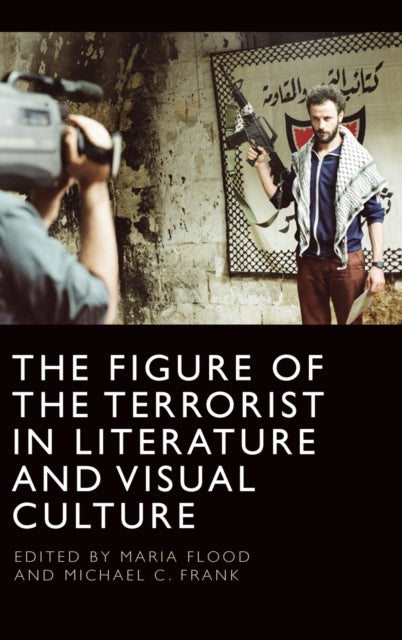
The Figure of the Terrorist in Literature and Visual Culture
The Figure of the Terrorist in Literature and Visual Culture
💎 Earn 402 Points (£4.02) on this item.
We can order this item for you. Delivery usually takes about 4 to 6 weeks.
This item is not held in our immediate stock. We will order it for you after checkout.
Estimated delivery: About 4 to 6 weeks
YOU SAVE £24.46
- Condition: Brand new
- UK Delivery times: Usually arrives within 2 - 3 working days
- UK Shipping: Fee starts at £2.39. Subject to product weight & dimension
Bulk ordering. Want 15 or more copies? Get a personalised quote and bigger discounts. Learn more about bulk orders.
Couldn't load pickup availability
- More about The Figure of the Terrorist in Literature and Visual Culture
The book "The Terrorist Taboo: Representations, Frames, and Contexts" explores the interdisciplinary and comparative perspective of the tabooing of terrorists, covering a broad geographical scope and exploring how different media forms frame and make sense of the figure of the terrorist. It asks how factors such as ideological agenda, religious identity, ethnicity, and gender impact the way the perpetrators of political violence are conceived in different historical moments and cultural contexts.
Format: Hardback
Length: 256 pages
Publication date: 30 June 2023
Publisher: Edinburgh University Press
The study of terrorism has been a prevalent topic in public discourse since the late twentieth century, yet the voices of terrorists themselves are often unheard. Cultural anthropologists Joseba Zulaika and William A. Douglass have argued that the terrorist is the quintessential proscribed or tabooed figure of our times. This volume is the first to approach the tabooing of terrorists from an interdisciplinary and comparative perspective. Spanning a broad geographical scope, it examines how different media forms, such as novels, fiction, and non-fiction films, as well as comic books, frame and interpret the figure of the terrorist. The contributions in this volume explore how factors such as ideological agenda, religious identity, ethnicity, and gender shape the perception of the perpetrators of political violence across different historical periods and cultural contexts.
The first essay in the volume, titled "The Tabooing of Terrorists: An Interdisciplinary Approach," by Joseba Zulaika and William A. Douglass, sets the stage for the subsequent discussions. The authors argue that the tabooing of terrorists is a complex phenomenon that involves a range of social, cultural, and political factors. They explore how the media, particularly fiction and non-fiction films, have played a significant role in shaping public perceptions of terrorists. The authors suggest that the media often reinforces the terrorism taboo by presenting terrorists as evil and dangerous individuals who pose a threat to society. However, they also note that some films and texts challenge the terrorism taboo by presenting nuanced and complex portrayals of terrorists.
The second essay, titled "The Role of Ideology in the Tabooing of Terrorists," by Nandini Chatterjee, examines the ideological factors that contribute to the tabooing of terrorists. The author argues that the ideological agenda of different political movements and groups shapes the way they perceive and represent terrorists. Chatterjee explores how the ideological agenda of the Hindu nationalist movement in India, for example, has led to the marginalization and demonization of Muslims as terrorists. She also examines how the ideological agenda of the Islamic State (ISIS) has contributed to the widespread fear and hatred of Muslims around the world.
The third essay, titled "The Religious Identity of Terrorists: A Comparative Analysis," by Sarah Ahmed, explores the role of religious identity in the tabooing of terrorists. The author argues that religious identity is often used as a justification for the perpetration of political violence and that it is often associated with terrorism. Ahmed examines how religious identity has been used to justify the actions of terrorists in different historical contexts, such as the Israeli-Palestinian conflict and the Sri Lankan civil war. She also explores how religious identity can be a source of division and conflict within communities.
The fourth essay, titled "The Ethnicity of Terrorists: A Global Perspective," by S. Akbar Ahmed, examines the role of ethnicity in the tabooing of terrorists. The author argues that ethnicity is often used as a proxy for religion and that it is often associated with terrorism. Ahmed explores how ethnicity has been used to justify the actions of terrorists in different historical contexts, such as the Rwandan genocide and the ethnic cleansing in Bosnia and Herzegovina. He also examines how ethnicity can be a source of division and conflict within communities.
The fifth essay, titled "The Gender of Terrorists: A Comparative Analysis," by Nandini Chatterjee, explores the role of gender in the tabooing of terrorists. The author argues that gender is often used as a marker of identity and that it is often associated with terrorism. Chatterjee examines how gender has been used to justify the actions of terrorists in different historical contexts, such as the Taliban's treatment of women and the actions of female suicide bombers. She also explores how gender can be a source of empowerment and resistance for women who are marginalized by society.
The sixth essay, titled "The Media and the Tabooing of Terrorists: A Comparative Analysis," by Nandini Chatterjee, examines the role of the media in the tabooing of terrorists. The author argues that the media plays a significant role in shaping public perceptions of terrorists and that it can either reinforce or challenge the terrorism taboo. Chatterjee explores how the media has portrayed terrorists in different historical contexts, such as the coverage of the September 11th attacks and the war on terror. She also examines how the media can contribute to the marginalization and stigmatization of certain groups, such as Muslims and immigrants.
The seventh essay, titled "The Politics of Representation: The Tabooing of Terrorists in Popular Culture," by S. Akbar Ahmed, explores the role of popular culture in the tabooing of terrorists. The author argues that popular culture is often used as a tool to promote certain ideologies and values and that it can either reinforce or challenge the terrorism taboo. Ahmed explores how popular culture has portrayed terrorists in different historical contexts, such as the films "The Hunger Games" and "The Dark Knight Rises." He also examines how popular culture can contribute to the normalization of violence and the dehumanization of certain groups.
The eighth essay, titled "The Role of Education in Countering the Tabooing of Terrorists," by Nandini Chatterjee, explores the role of education in countering the tabooing of terrorists. The author argues that education is a powerful tool for promoting understanding and tolerance and that it can help to counter the negative stereotypes and perceptions of certain groups. Chatterjee explores how education can be used to promote intercultural dialogue and understanding and to challenge the stereotypes and perceptions of terrorists.
The ninth essay, titled "The Challenges of Countering the Tabooing of Terrorists: A Comparative Analysis," by S. Akbar Ahmed, examines the challenges of countering the tabooing of terrorists. The author argues that countering the tabooing of terrorists requires a multifaceted approach that involves political, social, and cultural interventions. Ahmed explores how different countries have responded to the tabooing of terrorists and how they have implemented policies and programs to promote understanding and tolerance.
The tenth essay, titled "The Future of the Tabooing of Terrorists: A Comparative Analysis," by S. Akbar Ahmed, explores the future of the tabooing of terrorists. The author argues that the tabooing of terrorists is a complex and evolving phenomenon that requires a sustained effort to counter. Ahmed explores how different countries and communities can work together to promote understanding and tolerance and to counter the negative stereotypes and perceptions of certain groups.
The eleventh essay, titled "The Role of Art in Countering the Tabooing of Terrorists," by Nandini Chatterjee, explores the role of art in countering the tabooing of terrorists. The author argues that art can be a powerful tool for promoting understanding and tolerance and that it can help to challenge the negative stereotypes and perceptions of certain groups. Chatterjee explores how art can be used to promote intercultural dialogue and understanding and to challenge the stereotypes and perceptions of terrorists.
The twelfth essay, titled "The Responsibility of Scholars in Countering the Tabooing of Terrorists," by S. Akbar Ahmed, explores the responsibility of scholars in countering the tabooing of terrorists. The author argues that scholars have a critical role to play in promoting understanding and tolerance and in challenging the negative stereotypes and perceptions of certain groups. Ahmed explores how scholars can contribute to the countering of the tabooing of terrorists through their research, teaching, and public engagement.
The thirteenth essay, titled "Conclusion: The Tabooing of Terrorists in a Global Context," by S. Akbar Ahmed, concludes the volume by reflecting on the implications of the tabooing of terrorists in a global context. The author argues that the tabooing of terrorists is a complex and multifaceted phenomenon that requires a sustained effort to counter. Ahmed explores how different countries and communities can work together to promote understanding and tolerance and to counter the negative stereotypes and perceptions of certain groups.
In conclusion, this volume offers a comprehensive and interdisciplinary exploration of the tabooing of terrorists. The contributions in this volume demonstrate that the tabooing of terrorists is a complex and multifaceted phenomenon that involves a range of social, cultural, and political factors. The volume highlights the importance of interdisciplinary and comparative analysis in understanding the tabooing of terrorists and the challenges that need to be addressed in countering it. By bringing together research from multiple disciplinary perspectives, this volume provides a valuable resource for scholars, policymakers, and the public alike.
Weight: 586g
Dimension: 162 x 243 x 23 (mm)
ISBN-13: 9781474497589
This item can be found in:
UK and International shipping information
UK and International shipping information
UK Delivery and returns information:
- Delivery within 2 - 3 days when ordering in the UK.
- Shipping fee for UK customers from £2.39. Fully tracked shipping service available.
- Returns policy: Return within 30 days of receipt for full refund.
International deliveries:
Shulph Ink now ships to Australia, Belgium, Canada, France, Germany, Ireland, Italy, India, Luxembourg Saudi Arabia, Singapore, Spain, Netherlands, New Zealand, United Arab Emirates, United States of America.
- Delivery times: within 5 - 10 days for international orders.
- Shipping fee: charges vary for overseas orders. Only tracked services are available for most international orders. Some countries have untracked shipping options.
- Customs charges: If ordering to addresses outside the United Kingdom, you may or may not incur additional customs and duties fees during local delivery.