Shulph Ink
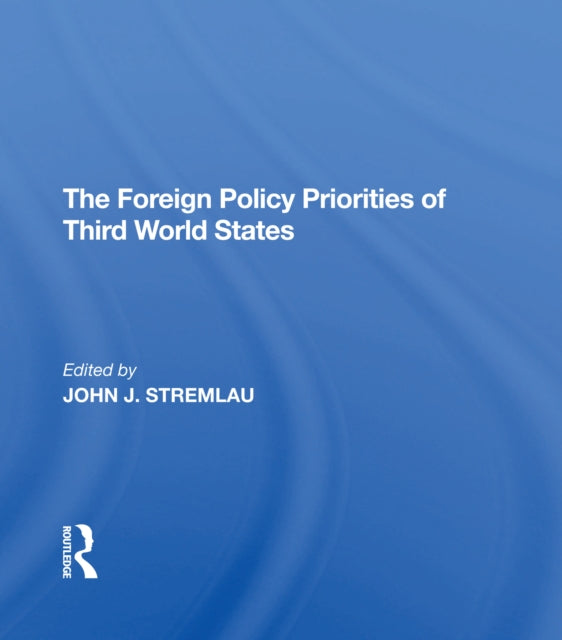
The Foreign Policy Priorities Of Third World States
The Foreign Policy Priorities Of Third World States
💎 Earn 207 Points (£2.07) on this item.
We can order this item for you. Delivery usually takes about 4 to 6 weeks.
This item is not held in our immediate stock. We will order it for you after checkout.
Estimated delivery: About 4 to 6 weeks
YOU SAVE £2.47
- Condition: Brand new
- UK Delivery times: Usually arrives within 2 - 3 working days
- UK Shipping: Fee starts at £2.39. Subject to product weight & dimension
Bulk ordering. Want 15 or more copies? Get a personalised quote and bigger discounts. Learn more about bulk orders.
Couldn't load pickup availability
- More about The Foreign Policy Priorities Of Third World States
Regional conflicts in Asia, Latin America, and Africa could escalate into major confrontations between the US and the USSR, but little research has been published on how governments in these regions pursue their internal and external policies.
Format: Paperback / softback
Length: 186 pages
Publication date: 29 July 2022
Publisher: Taylor & Francis Ltd
Despite the growing economic interdependence that binds industrialized and developing countries, as well as the risk that regional conflict in the Third World could escalate into a major confrontation between the United States and the USSR, relatively little has been published on how governments in Asia, Latin America, and Africa pursue their internal and external policies. This is surprising, given the importance of these regions in shaping the global political and economic landscape.
Governments in Asia, Latin America, and Africa face a unique set of challenges and opportunities in the 21st century. On the one hand, they are increasingly interconnected through trade, investment, and migration, which can promote economic growth and development. On the other hand, these regions are also home to many conflicts, including civil wars, terrorism, and drug trafficking, which can threaten regional stability and security.
One of the key challenges that governments in these regions face is managing their economic development in a way that is sustainable and equitable. This requires a combination of policies that promote economic growth, reduce poverty, and protect the environment. For example, many governments in Asia are investing in infrastructure development, such as high-speed rail and renewable energy, to promote economic growth and reduce dependence on fossil fuels.
At the same time, governments in these regions must also address the social and political factors that contribute to poverty and inequality. This may involve implementing policies that promote social inclusion, such as education and healthcare, or addressing the root causes of conflict, such as political instability and economic inequality.
Another challenge that governments in these regions face is managing their relations with the United States and the Soviet Union. Despite the end of the Cold War, these two powers continue to have significant influence in the region, and their policies can have a significant impact on the countries in these regions. For example, the United States has a strong military presence in the region, and its policies on trade, security, and development can have a significant impact on the countries in these regions.
Similarly, the Soviet Union has a history of providing aid and support to these regions, and its policies on trade, aid, and development can have a significant impact on the countries in these regions. However, the collapse of the Soviet Union has also led to a shift in the balance of power in the region, and new actors, such as China and India, have emerged as significant players.
Governments in these regions must also navigate the complex web of international institutions, such as the United Nations, the World Bank, and the International Monetary Fund, which can have a significant impact on their policies and development. For example, these institutions may provide funding for development projects, but they may also impose conditions that may limit the countries' ability to pursue their own policies.
In conclusion, governments in Asia, Latin America, and Africa face a range of challenges and opportunities in the 21st century. They are increasingly interconnected through trade, investment, and migration, but they are also home to many conflicts and social and political factors that contribute to poverty and inequality. Governments in these regions must manage their economic development in a sustainable and equitable way, address the social and political factors that contribute to poverty and inequality, manage their relations with the United States and the Soviet Union, and navigate the complex web of international institutions. By doing so, they can help to promote regional stability and security and contribute to the global economic and political landscape.
Weight: 340g
ISBN-13: 9780367307691
UK and International shipping information
UK and International shipping information
UK Delivery and returns information:
- Delivery within 2 - 3 days when ordering in the UK.
- Shipping fee for UK customers from £2.39. Fully tracked shipping service available.
- Returns policy: Return within 30 days of receipt for full refund.
International deliveries:
Shulph Ink now ships to Australia, Belgium, Canada, France, Germany, Ireland, Italy, India, Luxembourg Saudi Arabia, Singapore, Spain, Netherlands, New Zealand, United Arab Emirates, United States of America.
- Delivery times: within 5 - 10 days for international orders.
- Shipping fee: charges vary for overseas orders. Only tracked services are available for most international orders. Some countries have untracked shipping options.
- Customs charges: If ordering to addresses outside the United Kingdom, you may or may not incur additional customs and duties fees during local delivery.