Shulph Ink
The Future of Multilateralism: Global Cooperation and International Organizations
The Future of Multilateralism: Global Cooperation and International Organizations
💎 Earn 637 Points (£6.37) on this item.
We can order this item for you. Delivery usually takes about 4 to 6 weeks.
This item is not held in our immediate stock. We will order it for you after checkout.
Estimated delivery: About 4 to 6 weeks
- Condition: Brand new
- UK Delivery times: Usually arrives within 2 - 3 working days
- UK Shipping: Fee starts at £2.39. Subject to product weight & dimension
Bulk ordering. Want 15 or more copies? Get a personalised quote and bigger discounts. Learn more about bulk orders.
Couldn't load pickup availability
- More about The Future of Multilateralism: Global Cooperation and International Organizations
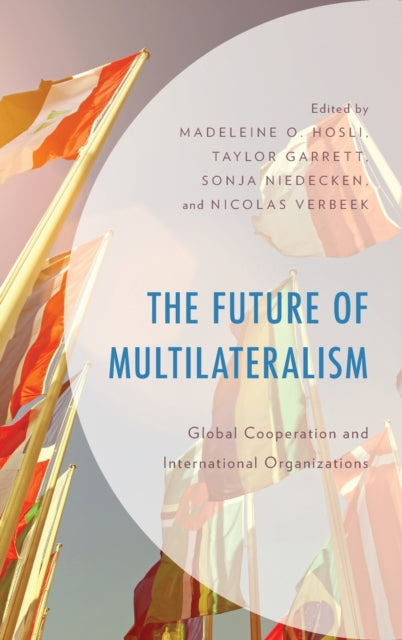
The Future of Multilateralism explores the challenges and perspectives of international and regional organizations in the post-World War II global order, particularly in the light of COVID-19. It aims to uncover the stability of the foundations of global cooperation and the effectiveness of multilateral institutions in dealing with international challenges.
Format: Hardback
Length: 328 pages
Publication date: 29 July 2021
Publisher: Rowman & Littlefield
The Future of Multilateralism delves into the intricate challenges and promising perspectives of international and regional organizations. Its primary objective is to assess the stability of the foundations of global cooperation, particularly in the face of recent unilateral and protectionist practices by international actors and the unprecedented challenges posed by the COVID-19 pandemic.
The post-World War II global order was established upon the principles of multilateral cooperation. The establishment of international institutions, such as the United Nations (UN) and the World Trade Organization (WTO), was driven by the urgent need to prevent another global conflict on the scale of the two World Wars. These institutions were designed to promote peace, security, and economic prosperity on a global scale.
The multilateral system was widely regarded as an effective mechanism for addressing and resolving various challenges at the international and regional levels. It provided a platform for countries to come together, share resources, and work towards common goals. The COVID-19 pandemic has shed light on the vulnerabilities of many multilateral institutions, highlighting the urgent need for reform and adaptation.
The book aims to uncover the future of these organizations and the prospects for the multilateral system, which they form the backbone of. By examining recent trends and developments, the book provides valuable insights into the challenges and opportunities facing multilateralism in the years to come.
One of the key themes explored in The Future of Multilateralism is the role of international institutions in responding to global crises. The COVID-19 pandemic has demonstrated the limitations of existing institutions, such as the WHO, in effectively addressing global health emergencies. The book argues that the multilateral system must be reformed to ensure that it is more responsive, agile, and capable of dealing with future crises.
Another important theme is the need for greater cooperation and coordination among international actors. The COVID-19 pandemic has highlighted the interconnectedness of the world, and the need for countries to work together to address shared challenges. The book advocates for the establishment of new mechanisms and platforms for international cooperation, such as the Global Health Emergency Preparedness and Response Network (GHEPRN).
Furthermore, The Future of Multilateralism examines the challenges posed by emerging powers and the rise of nationalism. The book argues that the multilateral system must be adaptable and flexible enough to accommodate the interests of all countries, regardless of their size or power. It emphasizes the importance of promoting dialogue, diplomacy, and mutual respect among nations to ensure peaceful coexistence.
In conclusion, The Future of Multilateralism is a thought-provoking and timely book that offers valuable insights into the challenges and opportunities facing international and regional organizations. The book highlights the importance of multilateral cooperation in promoting peace, security, and economic prosperity on a global scale. It calls for reform and adaptation of existing institutions to ensure that they are more responsive, agile, and capable of dealing with future crises. Additionally, the book advocates for greater cooperation and coordination among international actors and the promotion of dialogue, diplomacy, and mutual respect to ensure peaceful coexistence. As the world continues to navigate the complex challenges of the 21st century, The Future of Multilateralism serves as a valuable guide for policymakers, scholars, and activists alike.
Weight: 662g
Dimension: 231 x 162 x 30 (mm)
ISBN-13: 9781538155288
This item can be found in:
UK and International shipping information
UK and International shipping information
UK Delivery and returns information:
- Delivery within 2 - 3 days when ordering in the UK.
- Shipping fee for UK customers from £2.39. Fully tracked shipping service available.
- Returns policy: Return within 30 days of receipt for full refund.
International deliveries:
Shulph Ink now ships to Australia, Belgium, Canada, France, Germany, Ireland, Italy, India, Luxembourg Saudi Arabia, Singapore, Spain, Netherlands, New Zealand, United Arab Emirates, United States of America.
- Delivery times: within 5 - 10 days for international orders.
- Shipping fee: charges vary for overseas orders. Only tracked services are available for most international orders. Some countries have untracked shipping options.
- Customs charges: If ordering to addresses outside the United Kingdom, you may or may not incur additional customs and duties fees during local delivery.