Shulph Ink
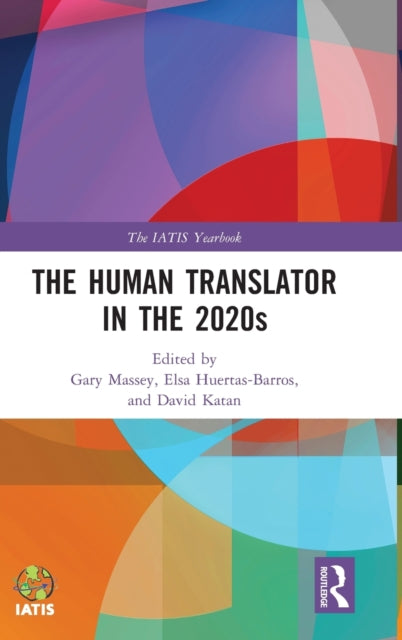
The Human Translator in the 2020s
The Human Translator in the 2020s
💎 Earn 689 Points (£6.89) on this item.
YOU SAVE £8.18
- Condition: Brand new
- UK Delivery times: Usually arrives within 2 - 3 working days
- UK Shipping: Fee starts at £3.89. Subject to product weight & dimension
Bulk ordering. Want 15 or more copies? Get a personalised quote and bigger discounts. Learn more about bulk orders.
Couldn't load pickup availability
- More about The Human Translator in the 2020s
The language industry of the 21st century is racing ahead of the translation profession, but translators are adapting to new sociotechnical realities and societal demands. This volume explores the profiles and position of human translators in the current decade, highlighting the shifts in the sociotechnical environment and the need to address changing buyer needs and market demands with new services, profiles, and training. It is of interest to advanced students and researchers in translation and interpreting studies and professionals in the global language industry.
Format: Hardback
Length: 151 pages
Publication date: 19 December 2022
Publisher: Taylor & Francis Ltd
The language industry of the 21st century has been a dynamic and rapidly evolving landscape, presenting both challenges and opportunities for translators. While some argue that the industry has raced ahead of the translation profession, leaving translators behind, others suggest that translators are adapting to new sociotechnical realities and societal demands. In this collection, we aim to shed light on the profiles and position of human translators in the current decade.
The eight chapters in this volume offer fresh perspectives on and concepts of translation in a digital world. They highlight the shifts occurring in the sociotechnical environment of translation and emphasize the need to address changing buyer needs and market demands with new services, profiles, and training. Through their insights, the authors demonstrate the value that human translators bring to the table as adaptable, creative, and digitally literate experts.
This volume is designed to appeal to an international readership, including advanced students and researchers in translation and interpreting studies, as well as professionals in the global language industry. It explores the evolving roles of translators, the challenges they face, and the strategies they employ to remain relevant and competitive in an ever-changing landscape.
The first chapter, titled "The Changing Face of Translation," provides an overview of the trends and developments that have shaped the language industry in recent years. It explores the impact of technology, globalization, and cultural diversity on translation practices and the challenges that translators face in adapting to these changes. The chapter also highlights the importance of continuous learning and professional development for translators to stay up-to-date with the latest tools, techniques, and industry trends.
The second chapter, titled "The Role of Human Translators in the Digital Age," examines the changing nature of translation work in the digital era. It explores the role of human translators in the production of digital content, such as websites, software, and mobile applications, and the challenges they face in ensuring the quality and accuracy of their work. The chapter also discusses the importance of collaboration and teamwork in the digital translation process and the need for translators to develop their communication and interpersonal skills.
The third chapter, titled "The Professionalization of Translation," explores the process of professionalization in the translation industry. It discusses the importance of certification, accreditation, and professional associations for translators and the benefits they can bring to their careers. The chapter also explores the role of translators in developing and promoting their professional profiles and the need for them to build a strong reputation in the industry.
The fourth chapter, titled "The Value of Human Translation in a Globalized World," examines the role of human translation in promoting cultural understanding and communication in a globalized world. It explores the challenges that translators face in navigating cultural differences and the importance of empathy and cultural sensitivity in their work. The chapter also highlights the value of translation in preserving cultural heritage and promoting intercultural dialogue.
The fifth chapter, titled "The Future of Translation," explores the potential opportunities and challenges that the future holds for the translation industry. It discusses the impact of artificial intelligence, machine translation, and other technological advancements on translation work and the strategies that translators can employ to adapt to these changes. The chapter also highlights the importance of lifelong learning and continuous professional development for translators to remain relevant and competitive in the future.
The sixth chapter, titled "The Challenges of Translation in a Multilingual Society," examines the challenges that translators face in working in multilingual environments. It explores the role of language policies, translation standards, and translation quality assurance in ensuring the quality and accuracy of translation work. The chapter also discusses the importance of cultural competence and sensitivity in translation work and the need for translators to develop their intercultural communication skills.
The seventh chapter, titled "The Role of Translators in Education and Training," explores the role of translators in education and training. It discusses the importance of language learning and translation in promoting cultural understanding and intercultural dialogue. The chapter also explores the role of translators in developing and delivering language training programs and the need for them to work closely with educators and trainers to ensure the quality and effectiveness of their work.
The eighth chapter, titled "Conclusion," summarizes the key points discussed in the previous chapters and offers a conclusion on the future of the translation industry. It emphasizes the importance of collaboration, adaptability, and continuous learning for translators to remain relevant and competitive in the 21st century.
In conclusion, the language industry of the 21st century has been a dynamic and rapidly evolving landscape, presenting both challenges and opportunities for translators. While some argue that the industry has raced ahead of the translation profession, leaving translators behind, others suggest that translators are adapting to new sociotechnical realities and societal demands. In this collection, we aim to shed light on the profiles and position of human translators in the current decade. The eight chapters offer fresh perspectives on and concepts of translation in a digital world, highlighting the shifts occurring in the sociotechnical environment of translation and emphasizing the need to address changing buyer needs and market demands with new services, profiles, and training. Through their insights, the authors demonstrate the value that human translators bring to the table as adaptable, creative, and digitally literate experts. This volume is designed to appeal to an international readership, including advanced students and researchers in translation and interpreting studies, as well as professionals in the global language industry. It explores the evolving roles of translators, the challenges they face, and the strategies they employ to remain relevant and competitive in an ever-changing landscape. By embracing new technologies, developing their skills, and staying abreast of industry trends, translators can continue to play a vital role in promoting cultural understanding, communication, and global cooperation in the 21st century.
Weight: 460g
Dimension: 234 x 156 (mm)
ISBN-13: 9781032113142
UK and International shipping information
UK and International shipping information
We deliver throughout the United Kingdom and to 128 countries and territories worldwide, including the United States, Australia, Canada, Germany, Spain and France.