Shulph Ink
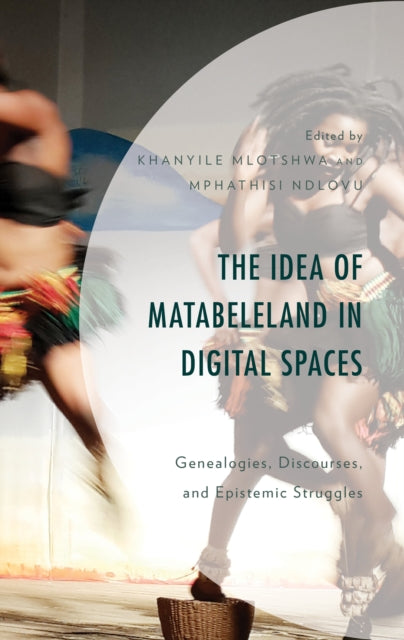
The Idea of Matabeleland in Digital Spaces: Genealogies, Discourses, and Epistemic Struggles
The Idea of Matabeleland in Digital Spaces: Genealogies, Discourses, and Epistemic Struggles
💎 Earn 451 Points (£4.51) on this item.
We can order this item for you. Delivery usually takes about 4 to 6 weeks.
This item is not held in our immediate stock. We will order it for you after checkout.
Estimated delivery: About 4 to 6 weeks
- Condition: Brand new
- UK Delivery times: Usually arrives within 2 - 3 working days
- UK Shipping: Fee starts at £2.39. Subject to product weight & dimension
Bulk ordering. Want 15 or more copies? Get a personalised quote and bigger discounts. Learn more about bulk orders.
Couldn't load pickup availability
- More about The Idea of Matabeleland in Digital Spaces: Genealogies, Discourses, and Epistemic Struggles
The Idea of Matabeleland in Digital Spaces: Genealogies, Discourses, and Epistemic Struggles explores the intersectional subalternity of Matabeleland in online media representations, highlighting the struggle for liberation from coloniality in digital spaces.
Format: Hardback
Length: 282 pages
Publication date: 15 June 2022
Publisher: Lexington Books
The Idea of Matabeleland in Digital Spaces: Genealogies, Discourses, and Epistemic Struggles is a groundbreaking work that delves into the complex and multifaceted realm of subalternity in online media representations. Edited by Khanyile Mlotshwa and Mphathisi Ndlovu, this book offers a thought-provoking debate and dialogue between critical and post-/de-colonial approaches to understanding the experiences of marginalized communities in digital spaces.
Chapter 1: Introduction
In this introductory chapter, the editors provide a comprehensive overview of the book's objectives and significance. They highlight the need for a nuanced understanding of subalternity in the digital age, particularly in the context of Matabeleland, a political and geographical region in the Southwest part of Zimbabwe. Matabeleland is characterized by its intersectional subalternity, encompassing factors such as ethnicity, region, gender, class, and more.
Chapter 2: Critical Approaches to Subalternity in Online Media Representations
Chapter 2 explores the critical perspectives on subalternity in online media representations. The authors examine how dominant narratives and power structures shape the portrayal of marginalized communities in digital spaces. They argue that online platforms often perpetuate stereotypes and marginalize certain groups, leading to epistemic struggles and the erasure of their voices.
Chapter 3: Post-/De-Colonial Approaches to Subalternity in Online Media Representations
Chapter 3 introduces post-/de-colonial approaches to subalternity in online media representations. The authors argue that these approaches offer a more nuanced and empathetic understanding of subalternity by recognizing the historical and cultural contexts that shape marginalized communities' experiences. They explore the role of digital technologies in empowering subaltern groups and facilitating their participation in the digital realm.
Chapter 4: The Subalternity of Matabeleland in Digital Spaces
Chapter 4 delves into the specific subalternity of Matabeleland in digital spaces. The authors examine the historical and political contexts that have contributed to the marginalization of Matabeleland in Zimbabwe, including the legacy of colonialism, land dispossession, and economic inequality. They also explore the ways in which Matabeleland's subalternity manifests in popular culture, including media representations.
Chapter 5: Epistemic Struggles and the Liberatory Politics of Matabeleland in Digital Spaces
Chapter 5 explores the epistemic struggles faced by subaltern communities in digital spaces. The authors discuss the challenges of accessing information, participating in online discussions, and asserting their voices in a world dominated by dominant narratives. They argue that the liberatory politics of Matabeleland emerges as trapped in coloniality, highlighting the need for a decolonial approach to understanding and addressing the experiences of marginalized communities in the digital age.
Chapter 6: Conclusion
In the concluding chapter, the editors summarize the key findings and implications of the book. They emphasize the importance of interdisciplinary research and collaboration in understanding the complexities of subalternity in digital spaces. They also call for more attention to the voices and experiences of marginalized communities in online media representations and for the development of policies and practices that promote inclusivity and diversity in the digital realm.
The Idea of Matabeleland in Digital Spaces: Genealogies, Discourses, and Epistemic Struggles is a groundbreaking work that sheds light on the complex and multifaceted experiences of subaltern communities in the digital age. Through its engaging chapters and thought-provoking discussions, this book offers valuable insights into the ways in which dominant narratives and power structures shape the portrayal of marginalized groups in online media representations. By adopting post-/de-colonial approaches, this book provides a more nuanced and empathetic understanding of subalternity, highlighting the role of digital technologies in empowering subaltern groups and facilitating their participation in the digital realm. The book's exploration of the specific subalternity of Matabeleland in digital spaces is particularly insightful, shedding light on the historical and political factors that have contributed to the marginalization of this region. The epistemic struggles faced by subaltern communities in digital spaces are also highlighted, emphasizing the need for a decolonial approach to understanding and addressing these challenges. Overall, The Idea of Matabeleland in Digital Spaces: Genealogies, Discourses, and Epistemic Struggles is a must-read for scholars, researchers, and activists interested in understanding the complexities of subalternity in the digital age. Its insights and recommendations will undoubtedly contribute to the ongoing debate and dialogue about the representation of marginalized communities in online media and beyond.
Dimension: 229 x 152 (mm)
ISBN-13: 9781793645258
UK and International shipping information
UK and International shipping information
UK Delivery and returns information:
- Delivery within 2 - 3 days when ordering in the UK.
- Shipping fee for UK customers from £2.39. Fully tracked shipping service available.
- Returns policy: Return within 30 days of receipt for full refund.
International deliveries:
Shulph Ink now ships to Australia, Belgium, Canada, France, Germany, Ireland, Italy, India, Luxembourg Saudi Arabia, Singapore, Spain, Netherlands, New Zealand, United Arab Emirates, United States of America.
- Delivery times: within 5 - 10 days for international orders.
- Shipping fee: charges vary for overseas orders. Only tracked services are available for most international orders. Some countries have untracked shipping options.
- Customs charges: If ordering to addresses outside the United Kingdom, you may or may not incur additional customs and duties fees during local delivery.