Shulph Ink
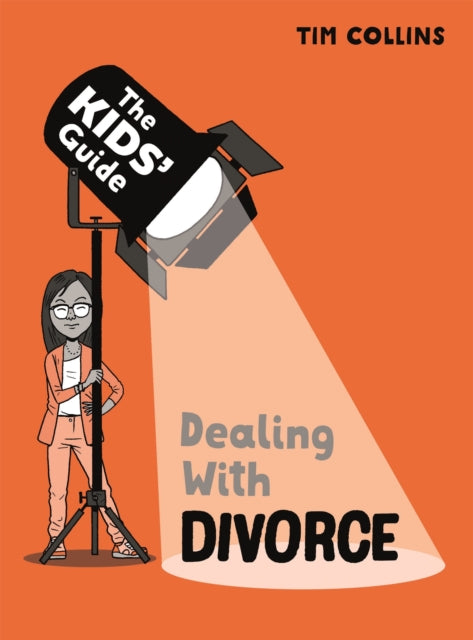
The Kids' Guide: Dealing with Divorce
The Kids' Guide: Dealing with Divorce
We can order this item for you. Delivery usually takes about 4 to 6 weeks.
This item is not held in our immediate stock. We will order it for you after checkout.
Estimated delivery: About 4 to 6 weeks
YOU SAVE £2.82
- Condition: Brand new
- UK Delivery times: Usually arrives within 2 - 3 working days
- UK Shipping: Fee starts at £3.89. Subject to product weight & dimension
Bulk ordering. Want 15 or more copies? Get a personalised quote and bigger discounts. Learn more about bulk orders.
Couldn't load pickup availability
- More about The Kids' Guide: Dealing with Divorce
This guide will help children understand divorce and why couples split up, including step-families, arguments, two homes, sibling issues, emotions, and asking for help.
Format: Hardback
Length: 48 pages
Publication date: 22 September 2022
Publisher: Hachette Children's Group
Divorce is a complex and emotional process that affects many families. It can be difficult for children to understand why their parents are splitting up, and it can leave them feeling confused, angry, and sad. This helpful guide is designed to help children understand more about divorce and why couples split up.
We will explore the different reasons why couples may choose to divorce, such as financial problems, infidelity, or differences in personality. We will also discuss the impact of divorce on children and how they can cope with the changes that come with it.
One of the most important things for children to understand is that divorce is not their fault. It is a decision that their parents make for themselves, and it is not something that they can control. It is important for parents to communicate with their children about the divorce in an honest and straightforward way, and to answer any questions that they may have.
Dealing with arguments and stress is another important aspect of divorce. Children may feel overwhelmed and anxious during this time, and it is important for parents to provide them with support and guidance. Parents can help their children to manage their emotions by encouraging them to talk about their feelings and by providing them with a safe and secure environment.
Having two homes can also be a challenge for children during divorce. They may feel torn between their parents and their new home, and it is important for parents to work together to create a stable and supportive environment for their children. Parents can help their children to adjust to their new home by spending time with them there, by keeping in touch with them, and by providing them with a sense of stability and routine.
Sibling issues are another common problem that children may face during divorce. They may feel jealous or resentful of their new sibling or siblings, and it is important for parents to work together to help their children to develop healthy relationships with their siblings. Parents can help their children to develop positive relationships with their siblings by encouraging them to spend time together, by providing them with equal opportunities, and by modeling healthy relationships themselves.
Emotions and feelings are another important aspect of divorce. Children may experience a range of emotions, such as sadness, anger, and anxiety. It is important for parents to provide their children with support and guidance in managing their emotions. Parents can help their children to manage their emotions by encouraging them to talk about their feelings, by providing them with a safe and secure environment, and by providing them with opportunities to express themselves creatively.
Asking for help is also an important aspect of divorce. Children may feel overwhelmed and unsure of what to do, and it is important for parents to encourage their children to seek help from trusted adults, such as teachers, counselors, or family members. Parents can help their children to ask for help by providing them with the resources they need to access support, by modeling healthy communication skills, and by encouraging them to talk about their feelings and concerns.
Other titles in The Kids Guide series include:
Anti-Bullying: This guide provides children with information and strategies to help them prevent bullying and to deal with bullying if they encounter it.
Anti-Racism: This guide provides children with information and strategies to help them recognize and challenge racism and to promote diversity and inclusion.
Dealing with Anxiety: This guide provides children with information and strategies to help them manage anxiety and to develop healthy coping skills.
Dealing with Death: This guide provides children with information and strategies to help them cope with the loss of a loved one and to develop healthy coping skills.
Understanding Autism: This guide provides children with information and strategies to help them understand and support individuals with autism.
Divorce is a complex and emotional process that affects many families. It can be difficult for children to understand why their parents are splitting up, and it can leave them feeling confused, angry, and sad. This helpful guide is designed to help children understand more about divorce and why couples split up.
We will explore the different reasons why couples may choose to divorce, such as financial problems, infidelity, or differences in personality. We will also discuss the impact of divorce on children and how they can cope with the changes that come with it.
One of the most important things for children to understand is that divorce is not their fault. It is a decision that their parents make for themselves, and it is not something that they can control. It is important for parents to communicate with their children about the divorce in an honest and straightforward way, and to answer any questions that they may have.
Dealing with arguments and stress is another important aspect of divorce. Children may feel overwhelmed and anxious during this time, and it is important for parents to provide them with support and guidance. Parents can help their children to manage their emotions by encouraging them to talk about their feelings and by providing them with a safe and secure environment.
Having two homes can also be a challenge for children during divorce. They may feel torn between their parents and their new home, and it is important for parents to work together to create a stable and supportive environment for their children. Parents can help their children to adjust to their new home by spending time with them there, by keeping in touch with them, and by providing them with a sense of stability and routine.
Sibling issues are another common problem that children may face during divorce. They may feel jealous or resentful of their new sibling or siblings, and it is important for parents to work together to help their children to develop healthy relationships with their siblings. Parents can help their children to develop positive relationships with their siblings by encouraging them to spend time together, by providing them with equal opportunities, and by modeling healthy relationships themselves.
Emotions and feelings are another important aspect of divorce. Children may experience a range of emotions, such as sadness, anger, and anxiety. It is important for parents to provide their children with support and guidance in managing their emotions. Parents can help their children to manage their emotions by encouraging them to talk about their feelings, by providing them with a safe and secure environment, and by providing them with opportunities to express themselves creatively.
Asking for help is also an important aspect of divorce. Children may feel overwhelmed and unsure of what to do, and it is important for parents to encourage their children to seek help from trusted adults, such as teachers, counselors, or family members. Parents can help their children to ask for help by providing them with the resources they need to access support, by modeling healthy communication skills, and by encouraging them to talk about their feelings and concerns.
Other titles in The Kids Guide series include:
Anti-Bullying: This guide provides children with information and strategies to help them prevent bullying and to deal with bullying if they encounter it.
Anti-Racism: This guide provides children with information and strategies to help them recognize and challenge racism and to promote diversity and inclusion.
Dealing with Anxiety: This guide provides children with information and strategies to help them manage anxiety and to develop healthy coping skills.
Dealing with Death: This guide provides children with information and strategies to help them cope with the loss of a loved one and to develop healthy coping skills.
Understanding Autism: This guide provides children with information and strategies to help them understand and support individuals with autism.
In conclusion, divorce is a challenging and emotional process that affects many families. It is important for children to understand that divorce is not their fault and that their parents make decisions for themselves. By providing children with support and guidance, parents can help them to cope with the changes that come with divorce and to develop healthy coping skills. Other titles in The Kids Guide series can also help children to develop important skills and knowledge that will help them throughout their lives.
Weight: 282g
Dimension: 177 x 238 x 10 (mm)
ISBN-13: 9781445181349
UK and International shipping information
UK and International shipping information
We deliver throughout the United Kingdom and to 128 countries and territories worldwide, including the United States, Australia, Canada, Germany, Spain and France.