Shulph Ink
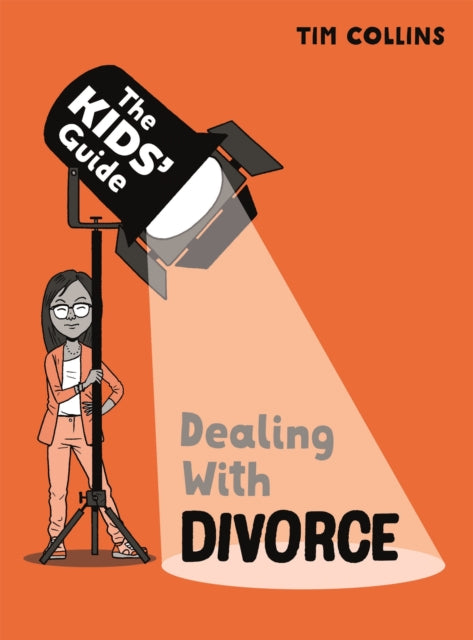
The Kids' Guide: Dealing with Divorce
The Kids' Guide: Dealing with Divorce
💎 Earn 41 Points (£0.41) on this item.
YOU SAVE £1.74
- Condition: Brand new
- UK Delivery times: Usually arrives within 2 - 3 working days
- UK Shipping: Fee starts at £2.39. Subject to product weight & dimension
Bulk ordering. Want 15 or more copies? Get a personalised quote and bigger discounts. Learn more about bulk orders.
Couldn't load pickup availability
- More about The Kids' Guide: Dealing with Divorce
This guide will help children understand divorce and why couples split up, including step-families, arguments, two homes, sibling issues, emotions, and asking for help.
Format: Paperback / softback
Length: 48 pages
Publication date: 08 June 2023
Publisher: Hachette Children's Group
Divorce is a complex and emotional process that affects many families. It can be difficult for children to understand why their parents are splitting up, and it can leave them feeling confused, angry, and sad. This helpful guide is designed to help children understand more about divorce and why couples split up.
We will explore the different reasons why couples may choose to divorce, such as financial problems, infidelity, or differences in personality. We will also discuss the impact of divorce on children and how they can cope with the changes that come with it.
One of the most important things for children to understand is that divorce is not their fault. It is a decision that their parents make for themselves, and it is not something that they can control. It is important for parents to communicate with their children about the divorce in an honest and straightforward way, and to answer any questions that they may have.
Children may experience a range of emotions during the divorce process, including anger, sadness, and anxiety. It is important for parents to provide their children with support and reassurance during this time. They can do this by spending time with their children, listening to their concerns, and providing them with a safe and secure environment.
In addition to providing emotional support, parents can also help their children to cope with the practical aspects of divorce. This may include helping them to adjust to a new living situation, such as moving to a new home or school. Parents can also help their children to deal with any sibling issues that may arise as a result of the divorce, such as jealousy or resentment.
Another important topic that we will cover is step-families. Step-families can be a challenging and rewarding experience for children. It is important for parents to introduce their children to their new partner and to work together to create a positive and supportive environment for their children.
We will also discuss how to deal with arguments and stress. Arguments and stress are a natural part of any relationship, and they can be particularly difficult for children to deal with. It is important for parents to teach their children healthy ways to deal with conflict, such as communicating effectively and resolving conflicts peacefully.
In addition to dealing with arguments and stress, we will also explore how to give advice and support to someone else whose parents might be separating. This can be a difficult and challenging task, but it is an important one. Children can help their friends and classmates who are going through a similar experience by being a good listener, offering support, and providing a safe and secure environment.
Other titles in The Kids Guide series include:
Anti-Bullying: This guide provides children with information and strategies to help them prevent bullying and protect themselves from bullies.
Anti-Racism: This guide teaches children about racism and discrimination and helps them to develop empathy and understanding for people from different backgrounds.
Dealing with Anxiety: This guide provides children with information and strategies to help them manage anxiety and stress.
Dealing with Death: This guide helps children to understand death and grief and provides them with coping strategies to help them deal with their loss.
Understanding Autism: This guide provides children with information and strategies to help them understand and support people with autism.
Divorce is a complex and emotional process that affects many families. It can be difficult for children to understand why their parents are splitting up, and it can leave them feeling confused, angry, and sad. This helpful guide is designed to help children understand more about divorce and why couples split up.
We will explore the different reasons why couples may choose to divorce, such as financial problems, infidelity, or differences in personality. We will also discuss the impact of divorce on children and how they can cope with the changes that come with it.
One of the most important things for children to understand is that divorce is not their fault. It is a decision that their parents make for themselves, and it is not something that they can control. It is important for parents to communicate with their children about the divorce in an honest and straightforward way, and to answer any questions that they may have.
Children may experience a range of emotions during the divorce process, including anger, sadness, and anxiety. It is important for parents to provide their children with support and reassurance during this time. They can do this by spending time with their children, listening to their concerns, and providing them with a safe and secure environment.
In addition to providing emotional support, parents can also help their children to cope with the practical aspects of divorce. This may include helping them to adjust to a new living situation, such as moving to a new home or school. Parents can also help their children to deal with any sibling issues that may arise as a result of the divorce, such as jealousy or resentment.
Another important topic that we will cover is step-families. Step-families can be a challenging and rewarding experience for children. It is important for parents to introduce their children to their new partner and to work together to create a positive and supportive environment for their children.
We will also discuss how to deal with arguments and stress. Arguments and stress are a natural part of any relationship, and they can be particularly difficult for children to deal with. It is important for parents to teach their children healthy ways to deal with conflict, such as communicating effectively and resolving conflicts peacefully.
In addition to dealing with arguments and stress, we will also explore how to give advice and support to someone else whose parents might be separating. This can be a difficult and challenging task, but it is an important one. Children can help their friends and classmates who are going through a similar experience by being a good listener, offering support, and providing a safe and secure environment.
Other titles in The Kids Guide series include:
Anti-Bullying: This guide provides children with information and strategies to help them prevent bullying and protect themselves from bullies.
Anti-Racism: This guide teaches children about racism and discrimination and helps them to develop empathy and understanding for people from different backgrounds.
Dealing with Anxiety: This guide provides children with information and strategies to help them manage anxiety and stress.
Dealing with Death: This guide helps children to understand death and grief and provides them with coping strategies to help them deal with their loss.
Understanding Autism: This guide provides children with information and strategies to help them understand and support people with autism.
Divorce is a complex and emotional process that affects many families. It can be difficult for children to understand why their parents are splitting up, and it can leave them feeling confused, angry, and sad. This helpful guide is designed to help children understand more about divorce and why couples split up.
We will explore the different reasons why couples may choose to divorce, such as financial problems, infidelity, or differences in personality. We will also discuss the impact of divorce on children and how they can cope with the changes that come with it.
One of the most important things for children to understand is that divorce is not their fault. It is a decision that their parents make for themselves, and it is not something that they can control. It is important for parents to communicate with their children about the divorce in an honest and straightforward way, and to answer any questions that they may have.
Children may experience a range of emotions during the divorce process, including anger, sadness, and anxiety. It is important for parents to provide their children with support and reassurance during this time. They can do this by spending time with their children, listening to their concerns, and providing them with a safe and secure environment.
In addition to providing emotional support, parents can also help their children to cope with the practical aspects of divorce. This may include helping them to adjust to a new living situation, such as moving to a new home or school. Parents can also help their children to deal with any sibling issues that may arise as a result of the divorce, such as jealousy or resentment.
Another important topic that we will cover is step-families. Step-families can be a challenging and rewarding experience for children. It is important for parents to introduce their children to their new partner and to work together to create a positive and supportive environment for their children.
We will also discuss how to deal with arguments and stress. Arguments and stress are a natural part of any relationship, and they can be particularly difficult for children to deal with. It is important for parents to teach their children healthy ways to deal with conflict, such as communicating effectively and resolving conflicts peacefully.
In addition to dealing with arguments and stress, we will also explore how to give advice and support to someone else whose parents might be separating. This can be a difficult and challenging task, but it is an important one. Children can help their friends and classmates who are going through a similar experience by being a good listener, offering support, and providing a safe and secure environment.
Other titles in The Kids Guide series include:
Anti-Bullying: This guide provides children with information and strategies to help them prevent bullying and protect themselves from bullies.
Anti-Racism: This guide teaches children about racism and discrimination and helps them to develop empathy and understanding for people from different backgrounds.
Dealing with Anxiety: This guide provides children with information and strategies to help them manage anxiety and stress.
Dealing with Death: This guide helps children to understand death and grief and provides them with coping strategies to help them deal with their loss.
Understanding Autism: This guide provides children with information and strategies to help them understand and support people with autism.
Divorce is a complex and emotional process that affects many families. It can be difficult for children to understand why their parents are splitting up, and it can leave them feeling confused, angry, and sad. This helpful guide is designed to help children understand more about divorce and why couples split up.
We will explore the different reasons why couples may choose to divorce, such as financial problems, infidelity, or differences in personality. We will also discuss the impact of divorce on children and how they can cope with the changes that come with it.
One of the most important things for children to understand is that divorce is not their fault. It is a decision that their parents make for themselves, and it is not something that they can control. It is important for parents to communicate with their children about the divorce in an honest and straightforward way, and to answer any questions that they may have.
Children may experience a range of emotions during the divorce process, including anger, sadness, and anxiety. It is important for parents to provide their children with support and reassurance during this time. They can do this by spending time with their children, listening to their concerns, and providing them with a safe and secure environment.
In addition to providing emotional support, parents can also help their children to cope with the practical aspects of divorce. This may include helping them to adjust to a new living situation, such as moving to a new home or school. Parents can also help their children to deal with any sibling issues that may arise as a result of the divorce, such as jealousy or resentment.
Another important topic that we will cover is step-families. Step-families can be a challenging and rewarding experience for children. It is important for parents to introduce their children to their new partner and to work together to create a positive and supportive environment for their children.
We will also discuss how to deal with arguments and stress. Arguments and stress are a natural part of any relationship, and they can be particularly difficult for children to deal with. It is important for parents to teach their children healthy ways to deal with conflict, such as communicating effectively and resolving conflicts peacefully.
In addition to dealing with arguments and stress, we will also explore how to give advice and support to someone else whose parents might be separating. This can be a difficult and challenging task, but it is an important one. Children can help their friends and classmates who are going through a similar experience by being a good listener, offering support, and providing a safe and secure environment.
Other titles in The Kids Guide series include:
Anti-Bullying: This guide provides children with information and strategies to help them prevent bullying and protect themselves from bullies.
Anti-Racism: This guide teaches children about racism and discrimination and helps them to develop empathy and understanding for people from different backgrounds.
Dealing with Anxiety: This guide provides children with information and strategies to help them manage anxiety and stress.
Dealing with Death: This guide helps children to understand death and grief and provides them with coping strategies to help them deal with their loss.
Understanding Autism: This guide provides children with information and strategies to help them understand and support people with autism.
Weight: 146g
Dimension: 170 x 231 x 7 (mm)
ISBN-13: 9781445181356
UK and International shipping information
UK and International shipping information
UK Delivery and returns information:
- Delivery within 2 - 3 days when ordering in the UK.
- Shipping fee for UK customers from £2.39. Fully tracked shipping service available.
- Returns policy: Return within 30 days of receipt for full refund.
International deliveries:
Shulph Ink now ships to Australia, Belgium, Canada, France, Germany, Ireland, Italy, India, Luxembourg Saudi Arabia, Singapore, Spain, Netherlands, New Zealand, United Arab Emirates, United States of America.
- Delivery times: within 5 - 10 days for international orders.
- Shipping fee: charges vary for overseas orders. Only tracked services are available for most international orders. Some countries have untracked shipping options.
- Customs charges: If ordering to addresses outside the United Kingdom, you may or may not incur additional customs and duties fees during local delivery.