Melissa Mayer
The Micro World of Viruses and Bacteria
The Micro World of Viruses and Bacteria
💎 Earn 31 Points (£0.31) on this item.
YOU SAVE £2.63
- Condition: Brand new
- UK Delivery times: Usually arrives within 2 - 3 working days
- UK Shipping: Fee starts at £2.39. Subject to product weight & dimension
Bulk ordering. Want 15 or more copies? Get a personalised quote and bigger discounts. Learn more about bulk orders.
Couldn't load pickup availability
- More about The Micro World of Viruses and Bacteria
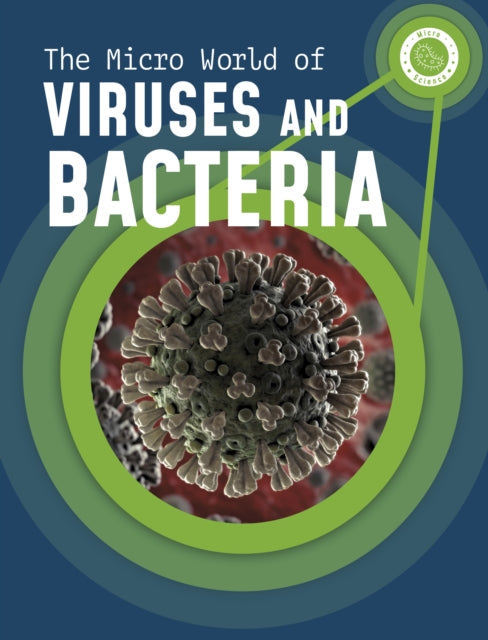
Bacteria and viruses are microscopic organisms that can cause diseases, including COVID-19. This book provides facts about their similarities and differences, how they cause infections, and how to prevent their spread.
Format: Paperback / softback
Length: 32 pages
Publication date: 12 October 2023
Publisher: Capstone Global Library Ltd
The microscopic realm is teeming with minuscule viruses and bacteria, invisible to the naked eye. While some bacteria possess beneficial qualities, others can lead to devastating diseases like typhoid fever. Conversely, viruses have the potential to unleash catastrophic illnesses, exemplified by the ongoing COVID-19 pandemic. This comprehensive book aims to provide readers with a comprehensive understanding of bacteria and viruses, exploring their similarities and differences, mechanisms of infection, and strategies for preventing the spread of harmful germs.
Viruses, which are minuscule infectious agents, are responsible for numerous diseases worldwide. They can replicate only inside the cells of living organisms, making them highly adaptable and difficult to control. Some viruses cause mild illnesses, such as the common cold, while others can lead to severe and life-threatening conditions, such as COVID-19, Ebola, and measles.
Bacteria, on the other hand, are single-celled organisms that can be found almost everywhere on Earth. While some bacteria are beneficial to humans, such as those that live in our gut and help with digestion, others can cause infections and diseases. Bacteria can spread through direct contact, contaminated food or water, and the air.
One of the key similarities between viruses and bacteria is their ability to invade and multiply inside living cells. Both viruses and bacteria use mechanisms such as protein spikes on their surfaces to attach to cells and enter them. Once inside the cell, the virus or bacteria uses the cell's machinery to replicate and produce more virus particles.
However, there are also significant differences between viruses and bacteria. Viruses are not considered living organisms because they lack the ability to reproduce independently. They require a host cell to replicate, and they cannot survive outside of a living cell. Bacteria, on the other hand, are living organisms and can reproduce independently.
Another difference between viruses and bacteria is their structure. Viruses are typically made up of a single strand of nucleic acid (DNA or RNA) surrounded by a protective protein shell. Bacteria, on the other hand, are made up of multiple cells that are connected by cell walls.
Viruses can cause infections in a variety of ways. They can enter the body through the mouth, nose, or eyes, or they can be transmitted through contact with contaminated food or water. Once inside the body, the virus can infect cells and replicate, leading to symptoms such as fever, cough, and fatigue.
Bacteria, on the other hand, can cause infections through a variety of mechanisms. They can invade the body through cuts or wounds, or they can be transmitted through the air or by contact with infected animals or people. Bacteria can also cause food poisoning, urinary tract infections, and other illnesses.
Preventing the spread of viruses and bacteria is essential to maintaining public health. This can be done through a variety of measures, such as practicing good hygiene, such as washing hands regularly and avoiding close contact with sick people. Vaccinations are also an important tool in preventing the spread of viruses, as they can help stimulate the immune system and protect against certain infections.
In conclusion, the world is full of tiny viruses and bacteria that can be seen only through a microscope. While some bacteria can be helpful, others can cause diseases such as typhoid fever. Viruses can cause deadly diseases such as COVID-19. In this book, readers will get all the facts about bacteria and viruses, including their similarities and differences, how they cause infections, and how people can keep dangerous germs from spreading. By understanding the risks posed by these microscopic organisms, we can take steps to prevent the spread of infections and protect ourselves and others from the harmful effects of viruses and bacteria.
Weight: 104g
Dimension: 172 x 228 x 4 (mm)
ISBN-13: 9781398238718
UK and International shipping information
UK and International shipping information
UK Delivery and returns information:
- Delivery within 2 - 3 days when ordering in the UK.
- Shipping fee for UK customers from £2.39. Fully tracked shipping service available.
- Returns policy: Return within 30 days of receipt for full refund.
International deliveries:
Shulph Ink now ships to Australia, Belgium, Canada, France, Germany, Ireland, Italy, India, Luxembourg Saudi Arabia, Singapore, Spain, Netherlands, New Zealand, United Arab Emirates, United States of America.
- Delivery times: within 5 - 10 days for international orders.
- Shipping fee: charges vary for overseas orders. Only tracked services are available for most international orders. Some countries have untracked shipping options.
- Customs charges: If ordering to addresses outside the United Kingdom, you may or may not incur additional customs and duties fees during local delivery.