Shulph Ink
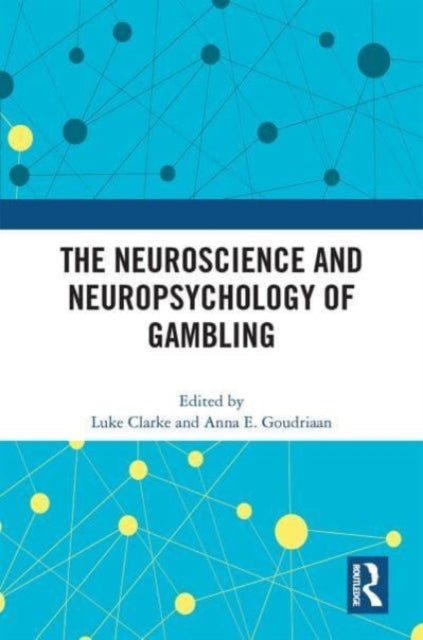
The Neuroscience and Neuropsychology of Gambling
The Neuroscience and Neuropsychology of Gambling
💎 Earn 221 Points (£2.21) on this item.
We can order this item for you. Delivery usually takes about 4 to 6 weeks.
This item is not held in our immediate stock. We will order it for you after checkout.
Estimated delivery: About 4 to 6 weeks
YOU SAVE £2.63
- Condition: Brand new
- UK Delivery times: Usually arrives within 2 - 3 working days
- UK Shipping: Fee starts at £2.39. Subject to product weight & dimension
Bulk ordering. Want 15 or more copies? Get a personalised quote and bigger discounts. Learn more about bulk orders.
Couldn't load pickup availability
- More about The Neuroscience and Neuropsychology of Gambling
Gambling disorder is a behavioral addiction that can be understood through neuroscientific and neuropsychological methods. This volume explores brain activity and psychological functioning in people with gambling disorder, as well as decision-making under uncertainty using animal models and pharmacological treatments.
Format: Paperback / softback
Length: 140 pages
Publication date: 25 September 2023
Publisher: Taylor & Francis Ltd
Gambling disorder, a behavioral addiction, represents the clinical extreme of a spectrum of gambling-related harm. Understanding this condition and improving existing treatment and prevention programs require insights from neuroscientific and neuropsychological methods. This volume explores recent research using advanced tools such as structural and functional brain imaging, as well as neurocognitive assessments. These analyses examine brain activity and psychological functioning in individuals with gambling disorder under resting conditions, during tasks involving reward processing and inhibitory control, and in relation to individual differences like depression and impulsivity. Additionally, the book synthesizes contemporary research using animal models to examine decision-making under uncertainty from a behavioral neuroscience perspective and reviews evidence from pharmacological treatments for gambling disorders. These findings complement research on substance use disorders and other emerging forms of behavioral addiction. The chapters in this book were originally published as a special issue of International Gambling Studies, highlighting the cutting-edge contributions of leading research groups in this field.
Introduction:
Gambling disorder, a behavioral addiction, represents the clinical extreme of a spectrum of gambling-related harm. Understanding this condition and improving existing treatment and prevention programs require insights from neuroscientific and neuropsychological methods. This volume explores recent research using advanced tools such as structural and functional brain imaging, as well as neurocognitive assessments. These analyses examine brain activity and psychological functioning in individuals with gambling disorder under resting conditions, during tasks involving reward processing and inhibitory control, and in relation to individual differences like depression and impulsivity. Additionally, the book synthesizes contemporary research using animal models to examine decision-making under uncertainty from a behavioral neuroscience perspective and reviews evidence from pharmacological treatments for gambling disorders. These findings complement research on substance use disorders and other emerging forms of behavioral addiction. The chapters in this book were originally published as a special issue of International Gambling Studies, highlighting the cutting-edge contributions of leading research groups in this field.
Neuroscientific and Neuropsychological Approaches:
Structural and functional brain imaging techniques, such as magnetic resonance imaging (MRI) and functional magnetic resonance imaging (fMRI), provide valuable insights into the neural mechanisms underlying gambling disorder. These studies have revealed changes in brain regions associated with reward processing, decision-making, and inhibitory control, which may contribute to the development and maintenance of gambling addiction. Neurocognitive assessments, such as neuropsychological tests and cognitive behavioral therapy (CBT), help evaluate cognitive functions and psychological symptoms associated with gambling disorder. These assessments can provide valuable information about cognitive biases, attentional deficits, and emotional regulation difficulties that may contribute to problematic gambling behavior.
Brain Activity and Psychological Functioning:
Structural and functional brain imaging studies have shown that individuals with gambling disorder exhibit altered brain activity in regions involved in reward processing, decision-making, and inhibitory control. For example, studies have found reduced activity in the prefrontal cortex, which is involved in cognitive control and decision-making, in individuals with gambling disorder compared to controls. Additionally, functional MRI studies have shown that individuals with gambling disorder exhibit increased activity in regions associated with reward and motivation, such as the ventral tegmental area and the nucleus accumbens, which may contribute to the urge to gamble and the pursuit of rewards.
Individual Differences:
Neuroscientific and neuropsychological approaches also consider individual differences, such as depression and impulsivity, which are common comorbidities with gambling disorder. These factors may influence brain activity and psychological functioning in individuals with gambling disorder. For example, studies have shown that individuals with depression exhibit reduced activity in regions associated with reward processing and decision-making, which may contribute to the development and maintenance of gambling addiction. Similarly, impulsivity, which is characterized by a lack of self-control and the tendency to act on immediate impulses, has been linked to problematic gambling behavior. Neurocognitive assessments can help identify these individual differences and tailor treatment strategies accordingly.
Animal Models:
Animal models provide valuable insights into the neural mechanisms underlying gambling disorder and can be used to examine decision-making under uncertainty. For example, studies have used rats to examine the effects of gambling-like behavior on brain activity and reward processing. These studies have shown that rats exhibit similar patterns of brain activity and reward processing to humans when exposed to gambling-like environments, suggesting that animal models can be useful in studying the biological basis of gambling addiction.
Pharmacological Treatments:
Pharmacological treatments, such as antidepressants and antipsychotics, have been used to treat gambling disorder. These treatments target specific neurotransmitters and brain regions involved in reward processing and decision-making. For example, antidepressants, such as fluoxetine and escitalopram, have been shown to reduce symptoms of depression and anxiety in individuals with gambling disorder, which may improve their ability to control their gambling behavior. Antipsychotics, such as risperidone and aripiprazole, have been shown to reduce impulsivity and improve decision-making in individuals with gambling disorder.
Conclusion:
Gambling disorder is a complex behavioral addiction that requires a comprehensive understanding of its neuroscientific and neuropsychological underpinnings. Neuroscientific and neuropsychological methods provide valuable insights into the brain activity and psychological functioning of individuals with gambling disorder, which can inform the development and improvement of treatment and prevention programs. By combining structural and functional brain imaging, neurocognitive assessments, and animal models, researchers can better understand the biological basis of gambling addiction and develop more effective treatment strategies. This volume serves as a valuable resource for researchers, clinicians, and policymakers interested in understanding and addressing gambling disorder.
Weight: 453g
Dimension: 246 x 174 (mm)
ISBN-13: 9780367691141
UK and International shipping information
UK and International shipping information
UK Delivery and returns information:
- Delivery within 2 - 3 days when ordering in the UK.
- Shipping fee for UK customers from £2.39. Fully tracked shipping service available.
- Returns policy: Return within 30 days of receipt for full refund.
International deliveries:
Shulph Ink now ships to Australia, Belgium, Canada, France, Germany, Ireland, Italy, India, Luxembourg Saudi Arabia, Singapore, Spain, Netherlands, New Zealand, United Arab Emirates, United States of America.
- Delivery times: within 5 - 10 days for international orders.
- Shipping fee: charges vary for overseas orders. Only tracked services are available for most international orders. Some countries have untracked shipping options.
- Customs charges: If ordering to addresses outside the United Kingdom, you may or may not incur additional customs and duties fees during local delivery.