Shulph Ink
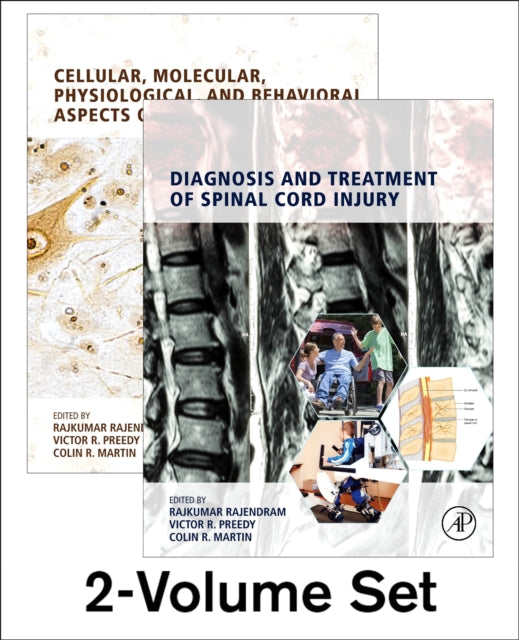
The Neuroscience of Spinal Cord Injury
The Neuroscience of Spinal Cord Injury
💎 Earn 1278 Points (£12.78) on this item.
YOU SAVE £54.25
- Condition: Brand new
- UK Delivery times: Usually arrives within 2 - 3 working days
- UK Shipping: Fee starts at £2.39. Subject to product weight & dimension
Bulk ordering. Want 15 or more copies? Get a personalised quote and bigger discounts. Learn more about bulk orders.
Couldn't load pickup availability
- More about The Neuroscience of Spinal Cord Injury
Diagnosis and Treatment of Spinal Cord Injury is a comprehensive guide to understanding the complexities of spinal cord injuries, while Cellular, Molecular, Physiological, and Behavioral Aspects of Spinal Cord Injury provides a deeper understanding of the biological and psychological effects of these injuries. Both books are valuable for neuroscientists, neurologists, clinicians, and anyone working to better understand and treat spinal cord injuries.
Format: Mixed media product
Length: 1200 pages
Publication date: 26 August 2022
Publisher: Elsevier Science & Technology
Diagnosis and Treatment of Spinal Cord Injury is a comprehensive guide that delves into the complexities of diagnosing and managing spinal cord injuries. Written by experts in the field, the book offers a comprehensive overview of the impact of these injuries on the lives of individuals affected.
Chapter 1: Introduction to Spinal Cord Injury
Spinal cord injury (SCI) is a devastating condition that affects the nervous system, resulting in a range of physical, cognitive, and emotional impairments. It is estimated that approximately 10 million people worldwide suffer from SCI each year, with varying symptoms and severity levels.
The diagnosis of SCI involves a thorough evaluation of the patient's medical history, physical examination, and imaging studies such as X-rays, CT scans, and MRI. These tests help identify the location and extent of the injury, as well as any underlying conditions that may contribute to the injury.
Chapter 2: Clinical Features of Spinal Cord Injury
SCI can occur at any level of the spinal cord, from the cervical spine to the lumbar spine. The clinical features of SCI vary depending on the level and severity of the injury. Common symptoms include paresthesia, spasticity, loss of motor control, and severe pain. Paresthesia is a sensation of tingling, numbness, or burning, while spasticity is a stiffness or tightness in the muscles. Loss of motor control can result in paralysis, while severe pain can be debilitating and interfere with daily activities.
Chapter 3: Diagnosis and Management of Spinal Cord Injury
Diagnosing SCI is crucial for determining the appropriate treatment and management plan. Neurologists, neurosurgeons, and rehabilitation specialists play a vital role in the diagnosis and management of SCI. They may use a combination of clinical examination, imaging studies, and electrophysiological tests to assess the extent of the injury and identify the underlying causes.
Treatment for SCI involves a multidisciplinary approach that may include medication, physical therapy, occupational therapy, and rehabilitation. Medication is used to manage pain, spasticity, and other symptoms, while physical therapy helps improve mobility, strength, and balance. Occupational therapy assists patients in learning new skills and adapting to their environment, while rehabilitation focuses on restoring function and improving quality of life.
Chapter 4: Long-Term Prognosis of Spinal Cord Injury
The long-term prognosis of SCI depends on several factors, including the severity of the injury, the age of the patient, and the underlying health conditions. While some individuals may experience significant improvement in their functional abilities, others may face lifelong disabilities.
Chapter 5: Cellular, Molecular, Physiological, and Behavioral Aspects of Spinal Cord Injury
SCI affects multiple cellular, molecular, physiological, and behavioral aspects of the nervous system. Understanding these aspects is crucial for developing new treatments and therapies for SCI.
Chapter 6: Gene Expression and Metabolic Effects of Spinal Cord Injury
Gene expression and metabolic effects play a significant role in the recovery and repair of SCI. Understanding these processes can help identify new targets for therapeutic intervention.
Chapter 7: Behavior and Cognitive Impairments of Spinal Cord Injury
Behavior and cognitive impairments are common complications of SCI. Understanding these impairments can help develop new interventions and therapies to improve cognitive function and quality of life.
Chapter 8: Conclusion
Diagnosis and Treatment of Spinal Cord Injury is a valuable resource for neuroscientists, neurologists, clinicians, and anyone working to better understand spinal cord injuries. The book provides a comprehensive overview of the clinical features, diagnosis, management, and long-term prognosis of SCI, as well as the cellular, molecular, physiological, and behavioral aspects of these injuries. By understanding the complexities of SCI, we can work towards developing new treatments and therapies that improve the lives of individuals affected by these injuries.
In conclusion, spinal cord injury is a devastating condition that affects millions of people worldwide. Diagnosis and Treatment of Spinal Cord Injury is a comprehensive guide that provides readers with a deep understanding of the complexities of these injuries. By exploring the clinical features, diagnosis, management, and long-term prognosis, as well as the cellular, molecular, physiological, and behavioral aspects of SCI, this book offers valuable insights into the lives of individuals affected by these injuries. It is a must-read for neuroscientists, neurologists, clinicians, and anyone working to better understand and improve the lives of those with spinal cord injuries.
Weight: 450g
Dimension: 276 x 216 (mm)
ISBN-13: 9780323991988
This item can be found in:
UK and International shipping information
UK and International shipping information
UK Delivery and returns information:
- Delivery within 2 - 3 days when ordering in the UK.
- Shipping fee for UK customers from £2.39. Fully tracked shipping service available.
- Returns policy: Return within 30 days of receipt for full refund.
International deliveries:
Shulph Ink now ships to Australia, Belgium, Canada, France, Germany, Ireland, Italy, India, Luxembourg Saudi Arabia, Singapore, Spain, Netherlands, New Zealand, United Arab Emirates, United States of America.
- Delivery times: within 5 - 10 days for international orders.
- Shipping fee: charges vary for overseas orders. Only tracked services are available for most international orders. Some countries have untracked shipping options.
- Customs charges: If ordering to addresses outside the United Kingdom, you may or may not incur additional customs and duties fees during local delivery.