Brian Gibson
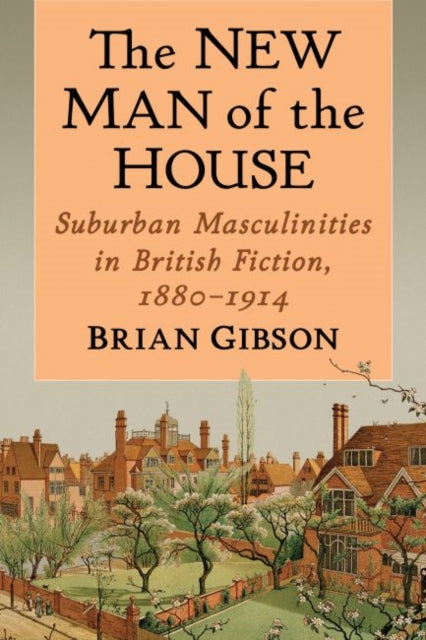
The New Man of the House: Suburban Masculinities in British Fiction, 1880-1914
The New Man of the House: Suburban Masculinities in British Fiction, 1880-1914
💎 Earn 314 Points (£3.14) on this item.
YOU SAVE £8.16
- Condition: Brand new
- UK Delivery times: Usually arrives within 2 - 3 working days
- UK Shipping: Fee starts at £2.39. Subject to product weight & dimension
Bulk ordering. Want 15 or more copies? Get a personalised quote and bigger discounts. Learn more about bulk orders.
Couldn't load pickup availability
- More about The New Man of the House: Suburban Masculinities in British Fiction, 1880-1914
In 19th-century Britain, the modern-day suburb emerged and flourished, coinciding with the rise of the New Woman and fin-de-siecle anxieties. Suburban men felt increasingly besieged, leading to concerns about hygiene, pollution, purity, the home, class, gender roles, patrilineal power, and the state of the Empire in British fiction. This study explores suburban masculinities in popular genres and literary works from the late-Victorian era to the start of the First World War.
Format: Paperback / softback
Length: 277 pages
Publication date: 30 May 2022
Publisher: McFarland & Co Inc
The emergence and flourishing of the modern-day suburb took place in 19th-century Britain, marking a significant shift in urban living. As the suburbs expanded, a new societal phenomenon emerged: the New Woman. Simultaneously, concerns about the fin de siècle grew, leaving suburban men feeling increasingly besieged. A multitude of anxieties permeated British fiction, touching upon hygiene, pollution, purity, the home, class, gender roles, patrilineal power, and the state of the Empire.
Within this context, the traditional role of the suburban man underwent a profound transformation. As the 20th century and modernist fiction arrived, the new man of the house sought to cling to the old order, albeit with increasing desperation. The pace of change accelerated, leading to a reshaping of suburban masculinities in popular genres such as speculative fiction, comic fiction, and detective fiction.
This study aims to trace the evolution of suburban masculinities across different literary works from the late-Victorian era to the outbreak of the First World War. By examining the representations and narratives of suburban men in these genres, we gain insight into the complex and evolving nature of masculinity in the suburban context.
The emergence of the modern-day suburb in 19th-century Britain marked a significant shift in urban living. As the suburbs expanded, a new societal phenomenon emerged: the New Woman. The New Woman represented a departure from traditional gender roles and expectations, challenging the established norms of femininity. She was independent, educated, and often employed outside the home, defying the notion of the subservient housewife.
However, the rise of the New Woman also sparked concerns among suburban men. They felt threatened by the New Woman's independence and assertiveness, as it challenged their own sense of masculinity and authority. As the suburbs continued to grow, suburban men felt increasingly besieged, with anxieties about hygiene, pollution, purity, the home, class, gender roles, patrilineal power, and the state of the Empire swirling in their minds.
These anxieties were reflected in British fiction of the time. Novels, plays, and short stories depicted suburban life as a complex and often unsettling place, where men struggled to maintain their traditional roles and values in the face of rapidly changing social and cultural norms.
One of the most notable examples of this is the novel "Mrs. Dalloway" by Virginia Woolf. In the novel, Woolf explores the inner lives of several characters living in London's suburbs. The novel's central character, Clarissa Dalloway, is a middle-aged woman who spends a day in her suburban home, attending a party and reflecting on her past. Throughout the novel, Woolf delves into the complex emotions and struggles of suburban men, particularly those who are trying to hold onto the old order while grappling with the changing world around them.
Another notable example is the play "The Importance of Being Earnest" by Oscar Wilde. In the play, Wilde satirizes the conventions of Victorian society, particularly those related to gender roles and marriage. The play's central character, Algernon Moncrieff, is a young man who poses as a bachelor to avoid the responsibilities of marriage and family life. However, as the play progresses, Algernon's true identity is revealed, and he must confront the consequences of his deceit.
In detective fiction, authors such as Agatha Christie and Arthur Conan Doyle explored the darker side of suburban life. Christie's novel "The Murder of Roger Ackroyd" depicts a murder that takes place in a suburban village, where the detective must navigate the complex social dynamics of the community to uncover the truth. Conan Doyle's Sherlock Holmes stories often take place in London's suburbs, where Holmes must confront the challenges of urban life and the darker aspects of human nature.
The anxieties about hygiene, pollution, purity, the home, class, gender roles, patrilineal power, and the state of the Empire that rippled through British fiction of the 19th century continued to shape suburban masculinities in the 20th century. As the 20th century progressed, the traditional role of the suburban man underwent a profound transformation. The new man of the house sought to cling to the old order, albeit with increasing desperation. The pace of change accelerated, leading to a reshaping of suburban masculinities in popular genres such as speculative fiction, comic fiction, and detective fiction.
In speculative fiction, authors such as J.R.R. Tolkien and C.S. Lewis explored the themes of heroism and adventure in the suburban context. Tolkien's "The Lord of the Rings" trilogy takes place in a mythical world, but its characters, such as Frodo Baggins and Aragorn, are suburban men who must confront the challenges of their own identities and the forces of evil. Lewis's "The Chronicles of Narnia" series also features suburban characters who must navigate the challenges of a magical world while dealing with their own personal struggles.
In comic fiction, authors such as Alan Moore and Grant Morrison explored the darker side of suburban life. Moore's "Watchmen" and "V for Vendetta" are set in a dystopian future, where the suburbs have become a breeding ground for crime and violence. Morrison's "The Invisibles" is set in a magical world, but its characters, such as Jack Kirby and John Constantine, are suburban men who must navigate the complexities of their own identities and the forces of magic.
In detective fiction, authors such as Raymond Chandler and Agatha Christie continued to explore the darker side of suburban life. Chandler's "The Big Sleep" and "Farewell, My Lovely" depict the seedy underbelly of Los Angeles's suburbs, where private detectives must navigate the dangerous world of crime and corruption. Christie's novel "And Then There Were None" is set on an island off the coast of England, where a group of strangers are invited to a mysterious mansion, only to find themselves trapped and murdered one by one.
The evolution of suburban masculinities in popular genres such as speculative fiction, comic fiction, and detective fiction provides a rich tapestry of insights into the complex and evolving nature of masculinity in the suburban context. As the 20th century progressed, suburban men continued to grapple with the challenges of modernity, while also seeking to maintain their traditional values and identities. The representations and narratives of suburban men in these genres offer a window into the social and cultural changes that took place in 19th-century Britain and continue to shape our world today.
In conclusion, the emergence and flourishing of the modern-day suburb in 19th-century Britain marked a significant shift in urban living. As the suburbs expanded, a new societal phenomenon emerged: the New Woman. Simultaneously, concerns about the fin de siècle grew, leaving suburban men feeling increasingly besieged. A multitude of anxieties permeated British fiction, touching upon hygiene, pollution, purity, the home, class, gender roles, patrilineal power, and the state of the Empire.
Within this context, the traditional role of the suburban man underwent a profound transformation. As the 20th century and modernist fiction arrived, the new man of the house sought to cling to the old order, albeit with increasing desperation. The pace of change accelerated, leading to a reshaping of suburban masculinities in popular genres such as speculative fiction, comic fiction, and detective fiction.
This study aims to trace the evolution of suburban masculinities across different literary works from the late-Victorian era to the outbreak of the First World War. By examining the representations and narratives of suburban men in these genres, we gain insight into the complex and evolving nature of masculinity in the suburban context.
The emergence of the modern-day suburb in 19th-century Britain marked a significant shift in urban living. As the suburbs expanded, a new societal phenomenon emerged: the New Woman. The New Woman represented a departure from traditional gender roles and expectations, challenging the established norms of femininity. She was independent, educated, and often employed outside the home, defying the notion of the subservient housewife.
However, the rise of the New Woman also sparked concerns among suburban men. They felt threatened by the New Woman's independence and assertiveness, as it challenged their own sense of masculinity and authority. As the suburbs continued to grow, suburban men felt increasingly besieged, with anxieties about hygiene, pollution, purity, the home, class, gender roles, patrilineal power, and the state of the Empire swirling in their minds.
These anxieties were reflected in British fiction of the time. Novels, plays, and short stories depicted suburban life as a complex and often unsettling place, where men struggled to maintain their traditional roles and values in the face of rapidly changing social and cultural norms.
One of the most notable examples of this is the novel "Mrs. Dalloway" by Virginia Woolf. In the novel, Woolf explores the inner lives of several characters living in London's suburbs. The novel's central character, Clarissa Dalloway, is a middle-aged woman who spends a day in her suburban home, attending a party and reflecting on her past. Throughout the novel, Woolf delves into the complex emotions and struggles of suburban men, particularly those who are trying to hold onto the old order while grappling with the changing world around them.
Another notable example is the play "The Importance of Being Earnest" by Oscar Wilde. In the play, Wilde satirizes the conventions of Victorian society, particularly those related to gender roles and marriage. The play's central character, Algernon Moncrieff, is a young man who poses as a bachelor to avoid the responsibilities of marriage and family life. However, as the play progresses, Algernon's true identity is revealed, and he must confront the consequences of his deceit.
In detective fiction, authors such as Agatha Christie and Arthur Conan Doyle explored the darker side of suburban life. Christie's novel "The Murder of Roger Ackroyd" depicts a murder that takes place in a suburban village, where the detective must navigate the complex social dynamics of the community to uncover the truth. Conan Doyle's Sherlock Holmes stories often take place in London's suburbs, where Holmes must confront the challenges of urban life and the darker aspects of human nature.
The anxieties about hygiene, pollution, purity, the home, class, gender roles, patrilineal power, and the state of the Empire that rippled through British fiction of the 19th century continued to shape suburban masculinities in the 20th century. As the 20th century progressed, the traditional role of the suburban man underwent a profound transformation. The new man of the house sought to cling to the old order, albeit with increasing desperation. The pace of change accelerated, leading to a reshaping of suburban masculinities in popular genres such as speculative fiction, comic fiction, and detective fiction.
In speculative fiction, authors such as J.R.R. Tolkien and C.S. Lewis explored the themes of heroism and adventure in the suburban context. Tolkien's "The Lord of the Rings" trilogy takes place in a mythical world, but its characters, such as Frodo Baggins and Aragorn, are suburban men who must confront the challenges of their own identities and the forces of evil. Lewis's "The Chronicles of Narnia" series also features suburban characters who must navigate the challenges of a magical world while dealing with their own personal struggles.
In comic fiction, authors such as Alan Moore and Grant Morrison explored the darker side of suburban life. Moore's "Watchmen" and "V for Vendetta" are set in a dystopian future, where the suburbs have become a breeding ground for crime and violence. Morrison's "The Invisibles" is set in a magical world, but its characters, such as Jack Kirby and John Constantine, are suburban men who must navigate the complexities of their own identities and the forces of magic.
In detective fiction, authors such as Raymond Chandler and Agatha Christie continued to explore the darker side of suburban life. Chandler's "The Big Sleep" and "Farewell, My Lovely" depict the seedy underbelly of Los Angeles's suburbs, where private detectives must navigate the dangerous world of crime and corruption. Christie's novel "And Then There Were None" is set on an island off the coast of England, where a group of strangers are invited to a mysterious mansion, only to find themselves trapped and murdered one by one.
The evolution of suburban masculinities in popular genres such as speculative fiction, comic fiction, and detective fiction provides a rich tapestry of insights into the complex and evolving nature of masculinity in the suburban context. As the 20th century progressed, suburban men continued to grapple with the challenges of modernity, while also seeking to maintain their traditional values and identities. The representations and narratives of suburban men in these genres offer a window into the social and cultural changes that took place in 19th-century Britain and continue to shape our world today.
Dimension: 229 x 152 (mm)
ISBN-13: 9781476686448
This item can be found in:
UK and International shipping information
UK and International shipping information
UK Delivery and returns information:
- Delivery within 2 - 3 days when ordering in the UK.
- Shipping fee for UK customers from £2.39. Fully tracked shipping service available.
- Returns policy: Return within 30 days of receipt for full refund.
International deliveries:
Shulph Ink now ships to Australia, Belgium, Canada, France, Germany, Ireland, Italy, India, Luxembourg Saudi Arabia, Singapore, Spain, Netherlands, New Zealand, United Arab Emirates, United States of America.
- Delivery times: within 5 - 10 days for international orders.
- Shipping fee: charges vary for overseas orders. Only tracked services are available for most international orders. Some countries have untracked shipping options.
- Customs charges: If ordering to addresses outside the United Kingdom, you may or may not incur additional customs and duties fees during local delivery.