Shulph Ink
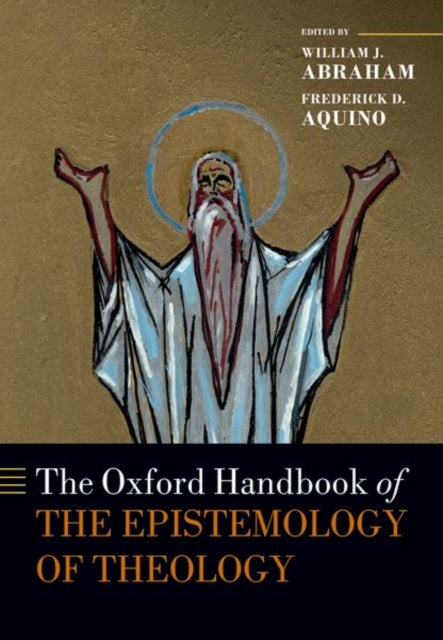
The Oxford Handbook of the Epistemology of Theology
The Oxford Handbook of the Epistemology of Theology
💎 Earn 276 Points (£2.76) on this item.
We can order this item for you. Delivery usually takes about 4 to 6 weeks.
This item is not held in our immediate stock. We will order it for you after checkout.
Estimated delivery: About 4 to 6 weeks
- Condition: Brand new
- UK Delivery times: Usually arrives within 2 - 3 working days
- UK Shipping: Fee starts at £2.39. Subject to product weight & dimension
Bulk ordering. Want 15 or more copies? Get a personalised quote and bigger discounts. Learn more about bulk orders.
Couldn't load pickup availability
- More about The Oxford Handbook of the Epistemology of Theology
The Oxford Handbook of the Epistemology of Theology explores appropriate epistemic evaluation in theology, focusing on traditional and contemporary concepts such as knowledge of God, revelation, reason, faith, experience, tradition, understanding, wisdom, testimony, virtue, evidence, foundationalism, realism/antirealism, skepticism, and disagreement. It also examines examples from key figures in the Christian tradition and discusses the challenges of connecting insights from contemporary epistemology with theology.
Format: Paperback / softback
Length: 656 pages
Publication date: 09 November 2021
Publisher: Oxford University Press
The Oxford Handbook of the Epistemology of Theology is a groundbreaking work that brings together leading scholars from the fields of theology and epistemology to explore and define what constitutes appropriate epistemic evaluation in the realm of theology. This comprehensive handbook is divided into four parts, each addressing different aspects of epistemic evaluation in theology.
Part One: Exploring Traditional Epistemic Concepts
In Part One, the handbook delves into some of the epistemic concepts that have been traditionally employed in theology, including knowledge of God, revelation and scripture, reason and faith, experience, and tradition. It also examines concepts that have not received sufficient epistemological attention in theology, such as saints, authority, ecclesial practices, spiritual formation, and discernment. By examining these concepts, the handbook seeks to provide a comprehensive understanding of the epistemic landscape within theology.
Part Two: Examining Contemporary Epistemic Concepts
Part Two focuses on epistemic concepts that have received significant attention in contemporary epistemology and can be related to theology. These concepts include understanding, wisdom, testimony, virtue, evidence, foundationalism, realism/antirealism, skepticism, and disagreement. The handbook explores how these concepts can be applied to theology and provides examples from key figures in the Christian tradition to illustrate their relevance. It also recognizes the challenges of connecting insights from contemporary epistemology with the subject of theology proper, namely, God.
Part Three: Engaging with Key Figures in the Christian Tradition
Part Three offers examples from key figures in the Christian tradition and investigates the relevant epistemological issues and insights in these writers. It recognizes the complexities and nuances of their thought and explores how their insights can be applied to contemporary epistemological debates. The handbook also acknowledges the challenges of connecting insights from contemporary epistemology with the subject of theology proper, namely, God.
Part Four: Emerging Epistemological Areas
Part Four centres on five emerging areas that warrant further epistemological consideration: liberation theology, continental philosophy, modern orthodox writers, feminism, and Pentecostalism. The handbook explores how these areas can contribute to the development of epistemology in theology and provides insights into the epistemological challenges and opportunities they present. It also identifies relevant epistemic considerations that can guide the exploration of these areas.
In conclusion, The Oxford Handbook of the Epistemology of Theology is a seminal work that provides a comprehensive and interdisciplinary exploration of epistemic evaluation in theology. By bringing together leading scholars from both fields, the handbook offers a rich and nuanced understanding of the epistemic landscape within theology. It provides valuable insights into traditional and contemporary epistemic concepts, engages with key figures in the Christian tradition, and highlights emerging epistemological areas that warrant further consideration. This handbook will be an essential resource for scholars, students, and practitioners interested in the epistemology of theology and its implications for religious practice and belief.
Weight: 1122g
Dimension: 171 x 247 x 41 (mm)
ISBN-13: 9780198816621
This item can be found in:
UK and International shipping information
UK and International shipping information
UK Delivery and returns information:
- Delivery within 2 - 3 days when ordering in the UK.
- Shipping fee for UK customers from £2.39. Fully tracked shipping service available.
- Returns policy: Return within 30 days of receipt for full refund.
International deliveries:
Shulph Ink now ships to Australia, Belgium, Canada, France, Germany, Ireland, Italy, India, Luxembourg Saudi Arabia, Singapore, Spain, Netherlands, New Zealand, United Arab Emirates, United States of America.
- Delivery times: within 5 - 10 days for international orders.
- Shipping fee: charges vary for overseas orders. Only tracked services are available for most international orders. Some countries have untracked shipping options.
- Customs charges: If ordering to addresses outside the United Kingdom, you may or may not incur additional customs and duties fees during local delivery.