Shulph Ink
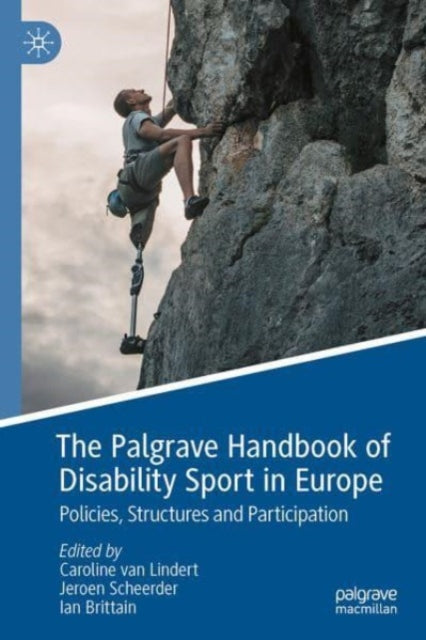
The Palgrave Handbook of Disability Sport in Europe: Policies, Structures and Participation
The Palgrave Handbook of Disability Sport in Europe: Policies, Structures and Participation
💎 Earn 825 Points (£8.25) on this item.
YOU SAVE £34.80
- Condition: Brand new
- UK Delivery times: Usually arrives within 2 - 3 working days
- UK Shipping: Fee starts at £2.39. Subject to product weight & dimension
Bulk ordering. Want 15 or more copies? Get a personalised quote and bigger discounts. Learn more about bulk orders.
Couldn't load pickup availability
- More about The Palgrave Handbook of Disability Sport in Europe: Policies, Structures and Participation
This handbook
handbook explores the governance and organization of disability sports in Europe, as well as the participation of people with disabilities in sports at the grassroots level. It provides a comparative overview of disability sports policy and participation levels in 19 countries, as well as the challenges of collecting sport participation data. It is a valuable resource for academics, researchers, and policymakers working in the field of sport and disability.
Format: Hardback
Length: 613 pages
Publication date: 29 June 2023
Publisher: Springer International Publishing AG
This comprehensive handbook delves into the intricate governance and organization of disability sport across Europe, while also exploring the level of participation of individuals with disabilities in grassroots sports. Drawing upon a robust theoretical framework and the latest data, the handbook comprises 19 country-specific chapters that provide a comparative analysis of the structuring, steering, and support mechanisms of disability sport policy and the participation levels of persons with disabilities in sports. Additionally, it assesses the extent to which countries adopt policies to promote inclusivity in sports for this population. Numerous authors also identify the various methods and challenges associated with collecting sport participation data regarding individuals with disabilities. This handbook serves as a valuable resource for academic research within various sport and disability-related programs, as well as a reference for researchers and policymakers engaged in this field.
Introduction
Disability sport is a rapidly growing sector in Europe, with an increasing number of individuals with disabilities participating in various sports activities. However, the governance and organization of disability sport across Europe vary significantly, with each country having its own unique policies and practices. This handbook aims to provide a comprehensive overview of the various ways in which disability sport is governed and organized across Europe, as well as examining the extent to which persons with a disability participate in sport at the grassroots level.
Governance and Organization of Disability Sport in Europe
The governance and organization of disability sport in Europe are primarily governed by the European Union (EU) and its member states. The EU has developed a range of policies and initiatives to promote disability sport, including the European Disability Sport Charter, which sets out the principles and values of disability sport and provides a framework for the development of disability sport policy in Europe. The EU also funds a range of disability sport projects and initiatives through its European Social Fund, which aims to promote social inclusion and equal opportunities for all individuals.
In addition to the EU, national governments and regional governments also play a significant role in the governance and organization of disability sport in Europe. Many countries have established national disability sports organizations (NDSOs) to promote and support disability sport at the national level. These NDSOs are responsible for developing and implementing disability sport policies and programs, as well as providing training and support to athletes with disabilities. Regional governments may also have their own disability sports organizations, which are responsible for promoting disability sport in their respective regions.
The governance and organization of disability sport in Europe also involve a range of non-governmental organizations (NGOs) and private companies. These organizations are often involved in the provision of sports facilities, equipment, and training programs for individuals with disabilities. They may also be involved in the promotion and marketing of disability sport, and may provide funding and support to athletes with disabilities.
Participation of Persons with Disabilities in Grassroots Sports
The participation of persons with disabilities in grassroots sports in Europe is varied and complex. While some individuals with disabilities participate in grassroots sports at a high level, others may not have access to the necessary resources or support to participate. Factors sports participation data with regard to persons with a disability. However, there are some key factors that may influence the level of participation of individuals with disabilities in grassroots sports in Europe.
One of the key factors that may influence the level of participation of individuals with disabilities in grassroots sports in Europe is the availability of sports facilities and equipment. Many sports facilities and equipment are not designed to accommodate the needs of individuals with disabilities, such as wheelchair ramps, accessible toilets, and adapted equipment. This can make it difficult for individuals with disabilities to participate in sports activities, and may discourage them from participating in sports altogether.
Another key factor that may influence the level of participation of individuals with disabilities in grassroots sports in Europe is the attitudes and beliefs of coaches and staff. Many coaches and staff may not have the necessary training or knowledge to accommodate the needs of individuals with disabilities, and may not be aware of the benefits of including individuals with disabilities in sports activities. This can create a hostile environment for individuals with disabilities, and may discourage them from participating in sports altogether.
In addition to these factors, there are also a range of cultural and social barriers that may influence the level of participation of individuals with disabilities in grassroots sports in Europe. These barriers may include discrimination, stigma, and social exclusion. Discrimination and stigma may prevent individuals with disabilities from accessing sports facilities and equipment, and may discourage them from participating in sports altogether. Social exclusion may also prevent individuals with disabilities from participating in sports activities, as they may not have the necessary social networks or support to participate in sports activities.
Despite these barriers, there are a range of initiatives and programs that are being implemented to promote the participation of individuals with disabilities in grassroots sports in Europe. These initiatives and programs include the development of adapted sports facilities and equipment, the provision of training and support to coaches and staff, and the promotion of inclusive attitudes and beliefs. These initiatives and programs are aimed at creating a more inclusive and accessible environment for individuals with disabilities to participate in sports activities, and may help to increase the level of participation of individuals with disabilities in grassroots sports in Europe.
Conclusion
In conclusion, this handbook provides a comprehensive overview of the various ways in which disability sport is governed and organized across Europe, as well as examining the extent to which persons with a disability participate in sport at the grassroots level. It draws upon grassroots sports participation data with regard to persons with a disability, and identifies the various methods and challenges in collecting sport participation data with regard to persons with a disability. The handbook. This handbook. This handbook will be a valuable resource for academic study across a range of sport and disability related programs, as well as a point of reference for researchers and policymakers working in this area.
Weight: 1160g
Dimension: 235 x 155 (mm)
ISBN-13: 9783031217586
Edition number: 1st ed. 2023
UK and International shipping information
UK and International shipping information
UK Delivery and returns information:
- Delivery within 2 - 3 days when ordering in the UK.
- Shipping fee for UK customers from £2.39. Fully tracked shipping service available.
- Returns policy: Return within 30 days of receipt for full refund.
International deliveries:
Shulph Ink now ships to Australia, Belgium, Canada, France, Germany, Ireland, Italy, India, Luxembourg Saudi Arabia, Singapore, Spain, Netherlands, New Zealand, United Arab Emirates, United States of America.
- Delivery times: within 5 - 10 days for international orders.
- Shipping fee: charges vary for overseas orders. Only tracked services are available for most international orders. Some countries have untracked shipping options.
- Customs charges: If ordering to addresses outside the United Kingdom, you may or may not incur additional customs and duties fees during local delivery.